

 Librería Samer Atenea
 Kálamo Books
 Librería Elías (Asturias)
 Librería Kolima (Madrid)
 Librería Proteo (Málaga)
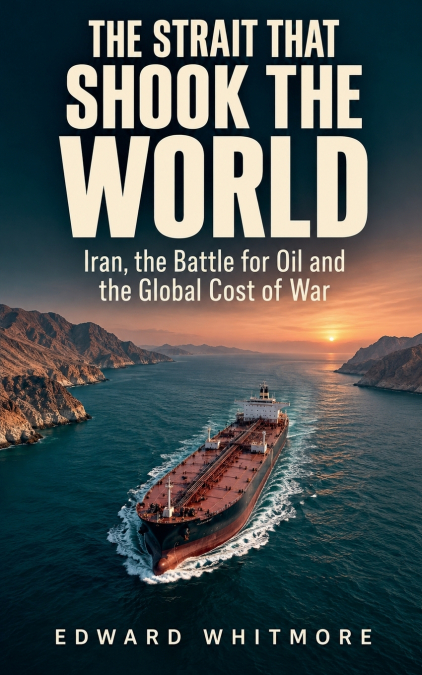
How did a shipping crisis in one narrow stretch of water become a problem for households and businesses around the world?In March 2026, as war spread across the Gulf, Iranian forces declared the Strait of Hormuz closed. Some vessels continued to cross, but threats and attacks on commercial shipping forced owners to reconsider voyages they had already agreed to make. Tankers waited, insurers reviewed their cover and buyers began searching for oil and gas they had expected to arrive on schedule. For many of those buyers, the most urgent question was how much they would have to pay for the next shipment.In The Strait That Shook the World: Iran, the Battle for Oil and the Global Cost of War, Edward Whitmore traces how the disruption spread from the waters between Iran and Oman to refineries in Asia, gas terminals in Europe and businesses far from the Gulf. He explains why decades of investment had tied so much of the world’s energy trade to a single passage, what happened when regular crossings became unreliable and why moving oil by another route could solve one problem while creating another.Across 25 chapters, the book follows the people making decisions under pressure. Shipowners had to weigh the safety of their crews against the cost of leaving vessels idle. Refineries had to find crude they could process before their stocks ran low. Utilities in Europe and Asia competed for replacement gas cargoes, while governments considered how much fuel to release from emergency reserves. As companies paid more to secure supplies, those costs began working their way through freight charges, factory contracts and household bills.The book also follows the disputes that continued after individual voyages ended. Who owed the bill when a tanker spent days waiting? Could a supplier suspend deliveries under a force majeure clause, and how long could its customer afford to wait? Whitmore examines how Italy’s Edison planned around extended interruptions to Qatari gas deliveries and how Poland’s Orlen ended one of its long-term contracts with QatarEnergy. The cases show how a disruption at sea could reshape business relationships that were expected to last for years.Written for readers interested in geopolitics, energy security and the economics of war, The Strait That Shook the World explains why some exporters could use pipelines to bypass Hormuz, why gas buyers had fewer options and how shortages could spread to goods such as fertiliser and plastics. It also brings the story back to the crews who had to decide, with their employers, when it was safe enough to sail.The crisis exposed the cost of depending on a route that usually worked so well it was easy to take for granted. The decisions made in its aftermath will determine how much time buyers, governments and shipping companies have to respond the next time a tanker is told to wait.





