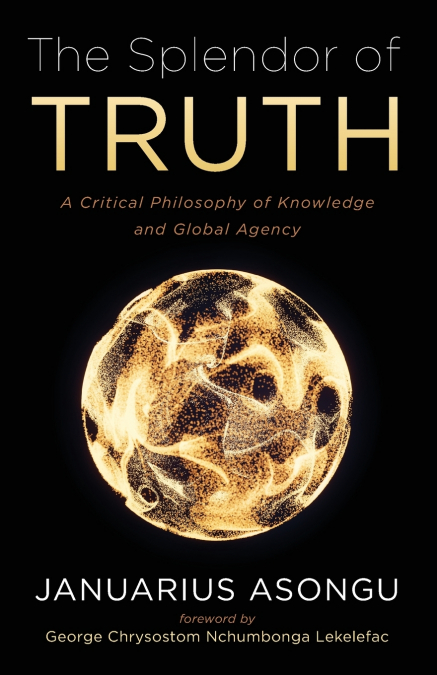

The Splendor of Truth

The Splendor of Truth

Januarius Asongu

29,29 €
IVA incluido
Disponible
Editorial:
Wipf and Stock Publishers
Año de edición:
2026
Materia
Ética y filosofía moral
ISBN:
9798385270477
29,29 €
IVA incluido
Disponible

Selecciona una librería:

  • Librería Samer Atenea
  • Kálamo Books
  • Librería Elías (Asturias)
  • Librería Kolima (Madrid)
  • Librería Proteo (Málaga)

The Splendor of Truth: A Critical Philosophy of Knowledge and Global Agency presents Asongu’s groundbreaking philosophical system, Critical Synthetic Realism (CSR)--a bold defense of objective truth, rational inquiry, and moral responsibility in an age marked by epistemic confusion and social unrest. Bridging theology, science, psychology, and politics, Asongu argues that truth is both absolute and provisional: absolute in its independent existence, yet known only through continuous testing, correction, humility, and ethical engagement with the world.CSR moves from the inner life of the mind to the structures of society, exposing the fallacies of superstition, fatalism, ideological dogmatism, and intellectual authoritarianism. At the same time, it affirms democracy, fairness, compassion, and human flourishing as rational moral imperatives grounded in the very architecture of reality. In a world overwhelmed by relativism, polarization, and misinformation, this book restores confidence in reason, conscience, and the moral dignity of work, love, justice, and communal responsibility.Part manifesto and part meditation, The Splendor of Truth is a luminous call to live intelligently, act ethically, and recover knowledge as humanity’s highest form of freedom--a freedom rooted in truth, sustained by courage, and fulfilled in the service of the common good.
Artículos relacionados

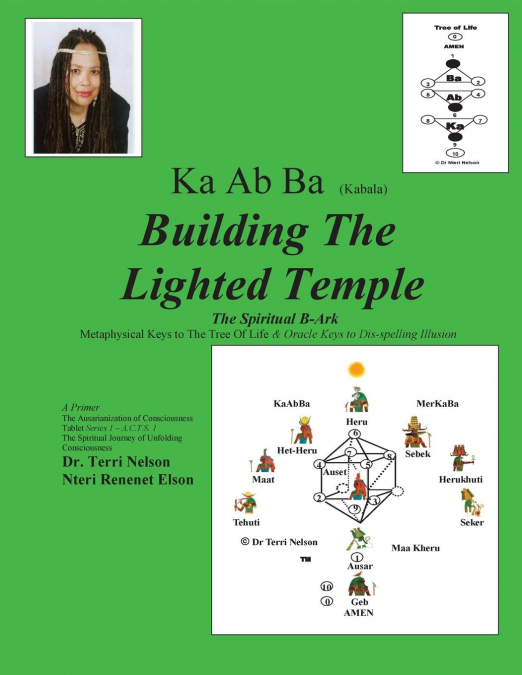
  • Ka Ab Ba Building The Lighted Temple
    Dr Terri R. Nelson / Dr Terri RNelson
    The book KaAbBa Building The Lighted Temple/Metaphysical Keys to the Tree of Life draws a circle that is inclusive of the Afrikan origin of the Ancient Kemetic/Egyptian wisdom. It reveals the undeniable root and link of Ancient Africa to all the religious systems that would develop worldwide. This book is explosive in its power to convey the meaning of KaAbBa, the Medu Neter  (...
    Disponible

    37,41 €

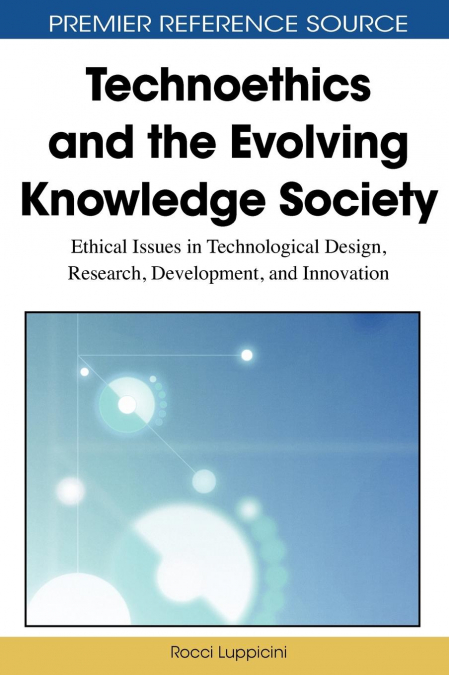
  • Technoethics and the Evolving Knowledge Society
    Rocci Luppicini
    Recently, there has been a major push to rediscover the ethical dimension of technology across the sciences, social sciences, and humanities. Technoethics and the Evolving Knowledge Society: Ethical Issues in Technological Design, Research, Development, and Innovation examines human processes and practices connected to technology embedded within social, political, and moral sph...
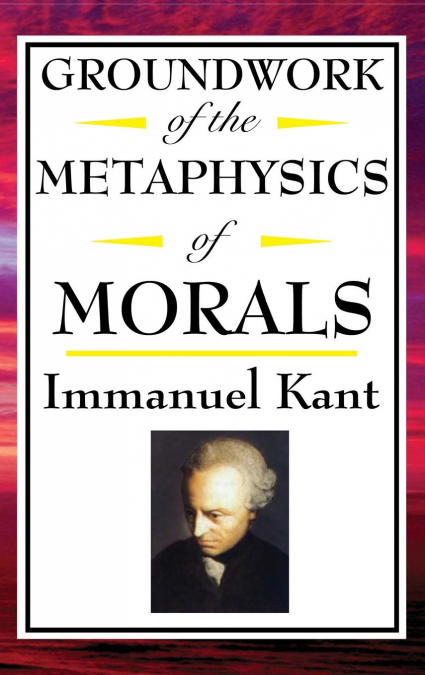
  • Kant
    Immanuel Kant
    Kant’s Groundwork of the Metaphysics of Morals is one of the most important works in modern moral philosophy. It belongs beside Plato, Aristotle, Machiavelli, and Hobbes. Here Kant sets out to articulate and defend the Categorical Imperative - the fundamental principle that underlies moral reasoning - and to lay the foundation for a comprehensive account of justice and human vi...
  • On the Duty of Civil Disobedience
    HENRY DAVID THOREAU
    Civil Disobedience argues that citizens should not permit their governments to overrule their consciences, and that they have a duty to avoid allowing their acquiescence to enable the government to make them the agents of injustice. Thoreau was motivated in part by his disgust with slavery and the Mexican-American War, but the sentiments he expresses here are just as pertinent ...
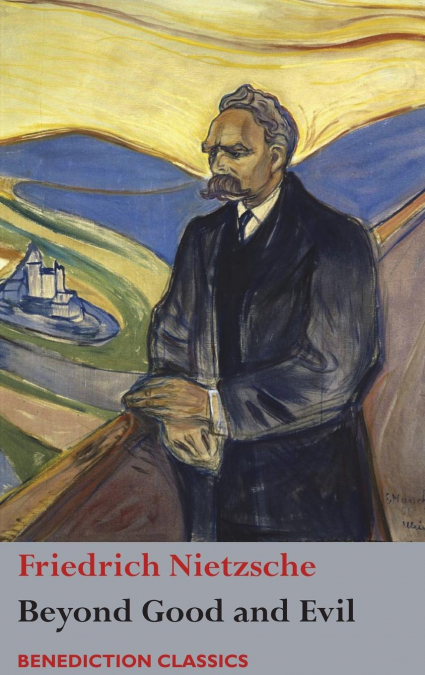
  • Beyond Good and Evil
    Friedrich Nietzsche
    Nietzsche, though primarily a philosopher, wrote widely on art, philology, history, religion, tragedy, culture, and science.  In 1886, at the height of his powers, he published Beyond Good and Evil.  Here he examines much of the best of human thought--dogmatic philosophy, Judeo-Christian morality, science and democracy – and finds it lacking.  Rejecting “slave-morality” he pres...
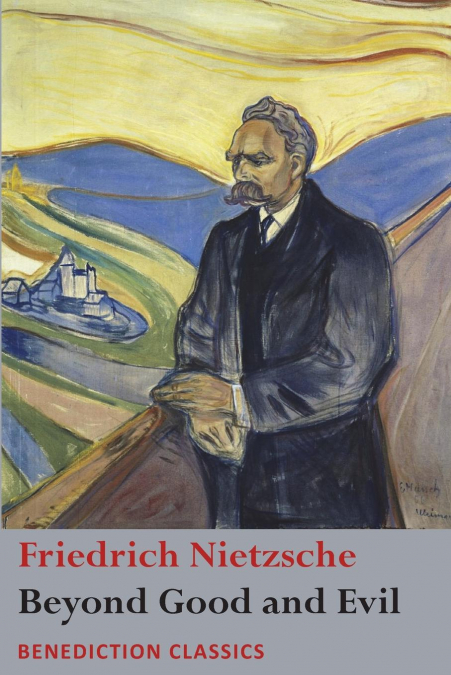
  • Beyond Good and Evil
    Friedrich Nietzsche
    Nietzsche, though primarily a philosopher, wrote widely on art, philology, history, religion, tragedy, culture, and science.  In 1886, at the height of his powers, he published Beyond Good and Evil.  Here he examines much of the best of human thought--dogmatic philosophy, Judeo-Christian morality, science and democracy – and finds it lacking.  Rejecting “slave-morality” he pres...
    Disponible

    9,99 €

Otros libros del autor

  • Faith, Power, and Emancipation
    Januarius Asongu
    In an age marked by democratic fragility, digital manipulation, and deepening geopolitical conflict, the question of how faith should respond to power has become urgent once again. Faith, Power, and Emancipation develops a bold and disciplined theological framework for confronting injustice without illusion or ideological absolutism.Building on the philosophical foundations of ...
    Disponible

    30,97 €

  • Beyond Doctrine
    Januarius Asongu
    Beyond Doctrine: A Critical-Liberative Theology of Faith and Emancipation presents Januarius Asongu’s bold reimagining of Christian theology as a force for human freedom, dignity, and moral transformation. Moving beyond rigid dogmatic frameworks, Asongu proposes a dynamic, critically engaged faith rooted in justice, compassion, and the continual search for truth. Drawing ...
    Disponible

    51,82 €

  • Beyond Doctrine
    Januarius Asongu
    Beyond Doctrine: A Critical-Liberative Theology of Faith and Emancipation presents Januarius Asongu’s bold reimagining of Christian theology as a force for human freedom, dignity, and moral transformation. Moving beyond rigid dogmatic frameworks, Asongu proposes a dynamic, critically engaged faith rooted in justice, compassion, and the continual search for truth. Drawing on Scr...