

 Librería Samer Atenea
 Kálamo Books
 Librería Elías (Asturias)
 Librería Kolima (Madrid)
 Librería Proteo (Málaga)
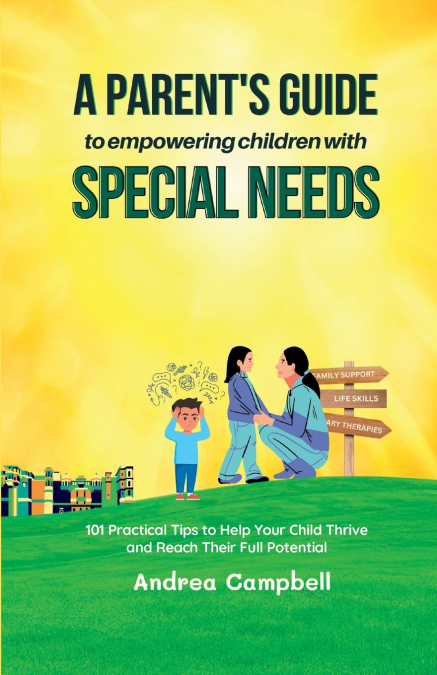
Every day, parents entrust their children to grandparents, friends, babysitters, respite providers, school staff, transport services, and community organizations. Most caregivers are willing, thoughtful, and doing their very best. Yet they can only act on the information they receive. The problem is rarely a lack of care; it is one of communication.Drawing on lived experience and real-world case studies involving severe allergies, sickle cell disease, sensory overload, wandering, impulsive behaviors, outdated emergency information, and complex support needs, this book reveals the hidden gap between what parents know and what caregivers are told, and why that gap can place children at risk.Inside you’ll discover:✔ The HANDOVER Protocol and its eight essential components✔ Twelve real-life case studies illustrating how information shapes outcomes✔ A complete toolkit, including a fillable Protocol template, Emergency Envelope documents, a pocket-sized quick-reference booklet, and condition-specific guidance covering allergies, epilepsy, diabetes, sickle cell disease, autism, ADHD, and more✔ Practical guidance for communicating medical, sensory, behavioral, and safety needs✔ Questions caregivers should ask before accepting responsibility for a child✔ A framework for building genuine partnership between parents and caregivers through clarity, openness, and trustIdeal for:• Parents of children with disabilities, special needs, allergies, or chronic medical conditions• Respite workers and support staff• Babysitters, grandparents, and family caregivers• School staff, camp counselors, and youth program leaders• Social workers and child care professionalsWhether you are preparing for a weekend away, supporting a child for the first time, or working professionally with children with additional needs, this book provides the structure, language, and tools to make temporary care safer, calmer, and more predictable.Clear information. Confident caregivers. Safer children. Because caregivers should never have to guess, and children should never have to bear the consequences when they do. 6