 Librería Samer Atenea
 Kálamo Books
 Librería Elías (Asturias)
 Librería Kolima (Madrid)
 Librería Proteo (Málaga)
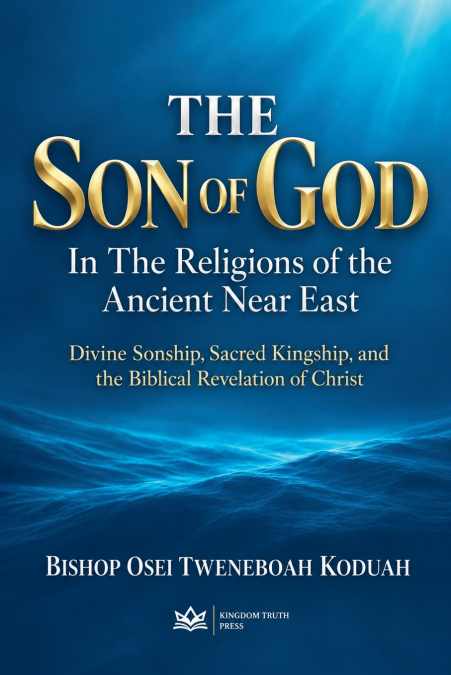
Every generation of the Church must answer afresh the question the Lord Jesus put to His own disciples: 'Whom say ye that I am?' Long before the New Testament was written, the ancient world was already speaking of gods who fathered sons, kings who claimed divine parentage, and heroes born of extraordinary unions. Pharaoh was called son of Ra. Mesopotamian kings ruled by divine sonship. Greek heroes were fathered by Zeus upon mortal women. Rome’s emperors took the title divi filius, son of the deified one.So when the Gospels proclaim Jesus as the Son of God, are they simply borrowing familiar ancient language, or saying something the ancient world had never said before?In this carefully researched yet pastoral study, Bishop Osei Tweneboah Koduah leads readers through Egypt, Mesopotamia, Canaan, Greece, and Rome, then into the Scriptures of Israel and the New Testament, tracing how the language of divine sonship was used across the ancient world and what set the biblical claim apart. Along the way, the book meets head on the modern charge that Christianity simply borrowed its Christology from pagan myth, and shows, text by text, why the difference between them is not one of degree but of kind.Thorough in its scholarship yet accessible in its voice, this book equips the pastor, the student, and the thoughtful believer to read Scripture with historical confidence, and to say, with Peter, neither afraid of comparative religion nor naive about it: 'Thou art the Christ, the Son of the living God.'