 Librería Samer Atenea
 Kálamo Books
 Librería Elías (Asturias)
 Librería Kolima (Madrid)
 Librería Proteo (Málaga)
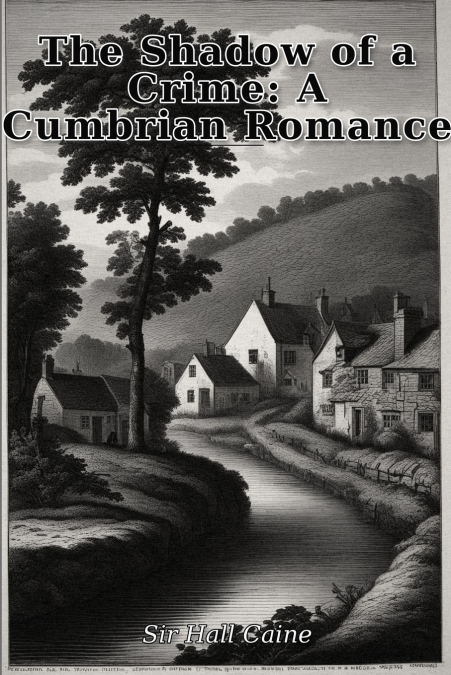
eisanovel writtenduringthe late19thcentury. Thestoryunfoldsprimarilyinthe small village of Wythburn, focusing on the lives of its sheep-farming inhabi tants and the deep-seated tensions that arise from amysterious crime involv ing the local tailor, Sim Stagg. Among the central characters are Ralph Ray, a young man with a strong sense of duty, and Rotha, the daughter of Sim, whomustnavigate thecomplexities ofcompassion,innocence,anddisgrace as the ramifications of the crime impact their lives. At the start of the novel, the reader is introduced to Wythburn, a quaint rural community steeped in tradition and folklore. Sim Stagg, a tailor accused of being a spy and subse quently found dead under suspicious circumstances, becomes the fulcrum around which the narrative pivots. The opening chapters explore the dy namics within Sim’s family, particularly the relationship between him and his daughter Rotha, as well as the interactions with Ralph Ray, who ulti mately supports Rotha through these troubling times. The tone is a blend of drama and psychological inquiry as the villagers grapple with fear, suspi cion, and the implications of their judgments, setting the stage for further exploration of themes related to justice, innocence, and the moral complex ities of human relationships.The city of Wythburn stood in a narrowvalley at the foot of Lauvellen, and at the head of Bracken Water. It was a little but populous village, inhab ited chiefly by sheep farmers, whose flocks grazed on the neighboring hills. It contained rather less than a hundred houses, all deep thatched and thick walled. To the north lay the mere, a long and irregular water, which was belted across the middle by an old Roman bridge of bowlders. Abarepack horseroadwound itswayonthewest,andstretchedoutofsighttothenorth and to the south. On this road, about half a mile within the southernmost extremity of Bracken Water, two hillocks met, leaving a natural opening be tween them and a path that went up to where the citystood. Thedalesmen called the cleft between the hillocks the citygates; butwhythegatesandwhy the city none could rightly say. Folks had always given them these names. The wiser heads shook gravely as they told you that city should be sarnty, meaning the house by the causeway.