Inicio > Artes > Música > The Science of String Instruments
The Science of String Instruments

The Science of String Instruments

Thomas D. Rossing

160,15 €
IVA incluido
Disponible
Editorial:
Springer Nature B.V.
Año de edición:
2010
Materia
Música
ISBN:
9781441971098
160,15 €
IVA incluido
Disponible

Selecciona una librería:

  • Librería Samer Atenea
  • Librería Aciertas (Toledo)
  • Kálamo Books
  • Librería Perelló (Valencia)
  • Librería Elías (Asturias)
  • Donde los libros
  • Librería Kolima (Madrid)
  • Librería Proteo (Málaga)

Thomas D. Rossing String instruments are found in almost all musical cultures. Bowed string instruments form the backbone of symphony orchestras, and they are used widely as solo inst- ments and in chamber music as well. Guitars are used universally in pop music as well as in classical music. The piano is probably the most versatile of all musical inst- ments, used widely not only in ensemble with other musical instruments but also as a solo instrument and to accompany solo instruments and the human voice. In this book, various authors will discuss the science of plucked, bowed, and hammered string instruments as well as their electronic counterparts. We have tried to tell the fascinating story of scienti?c research with a minimum of mathematics to maximize the usefulness of the book to performers and instrument builders as well as to students and researchers in musical acoustics. Sometimes, however, it is dif?cult to 'translate' ideas from the exact mathematical language of science into words alone, so we include some basic mathematical equations to express these ideas. It is impossible to discuss all families of string instruments. Some instruments have been researched much more than others. Hopefully, the discussions in this book will help to encourage further scienti?c research by both musicians and scientists alike. 1.1 A Brief History of the Science of String Instruments Quite a number of good histories of acoustics have been written (Lindsay 1966, 1973; Hunt 1992; Beyer 1999), and these histories include musical acoustics.
Artículos relacionados

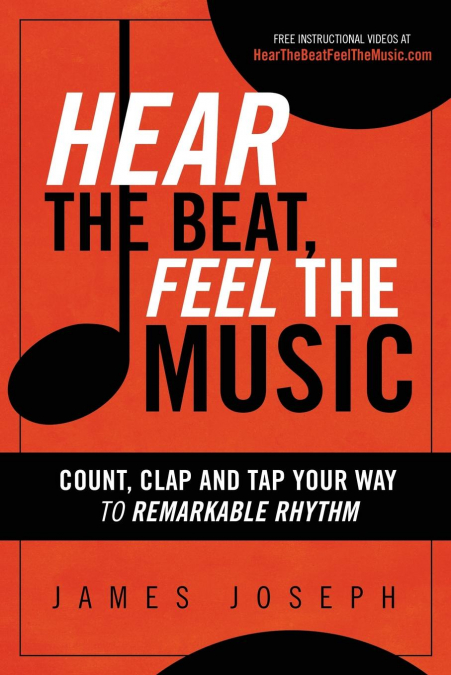
  • Hear the Beat, Feel the Music
    James Joseph
    How do you count music? What’s an 8-count? How do you find the beat in a song?This book, along with more than 20 YouTube videos, will teach you how to count music the easy way—using the 8-count, the way dancers count. If you struggle to stay on the beat, the music lessons in this book are a mini-course in how to get rhythm. Being “rhythmically challenged” is not a lack of abili...
    Disponible

    15,54 €

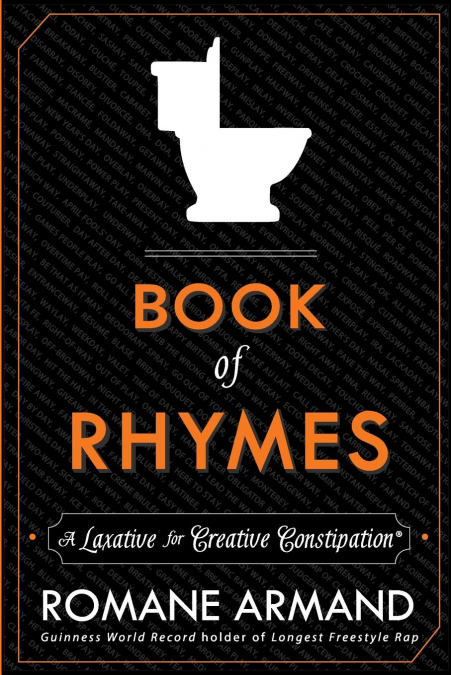
  • Book of Rhymes
    Romane Armand
    What rhymes with Google, or Beyoncé, or better yet, what rhymes with ORANGE? This book full of words that rhyme together has all the answers! With over 50,000 rhyming entries, this essential reference tool will help songwriters, poets, and advertisers overcome writer’s block and quickly find the right rhyming word. It features slang, phrases, idioms, and pop-culture terms, not ...
    Disponible

    27,01 €

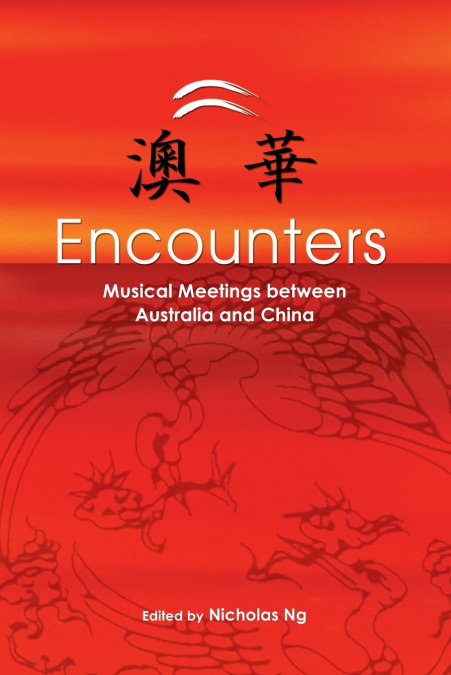
  • Encounters
    Nicholas Ng
    Addressing the themes of: music and history; tradition versus innovation; cultural diversity/intercultural creativity; and music and the related arts; this book  focuses on encounters between China and Australia from the earliest imaginings and representations to the latest cultural exchanges. Here, the reader will find of stories of forbidden love, prejudice and deceit, of ges...
    Disponible

    44,49 €

  • RIVERSONG
    Lee Underwood
    INTRODUCTIONNearly all of the poems included in Riversong are new.They are expressions of personal love, transcendentalrealization, and my deep involvement with nature and music.STREAM. . .RIVER. . .FLOW, that starts off the FOREVERSONGS Section, for example, is a journey from youth’s firstrealization of the power of music, when as a nine-year-oldboy, lying in bed, I held a pla...
    Disponible

    13,09 €

  • کمانچه نوازی نوین
    Sina Alam
    در این کتاب سعی کرده ام کمانچه را به عنوان یک ساز زهی_آرشه ای کامل و واقعی بشناسانم و تا جایی که می شود شخصیتی کششی برای آن بسازم .همچنین مقوله بسیار مهمی را که سال ها آهنگسازان و نوازندگان با آن درگیر بوده اند حل کنم-انتقالی بودن ساز کمانچه-.اشتباه بزرگی که موجب سختی در نگارش و نوازندگی می شد،نگاه انتقالی به این ساز بوده که درکتاب با نگاه بی طرفانه به حل این مشکل پُرداخته ام.ن...
    Disponible

    34,39 €

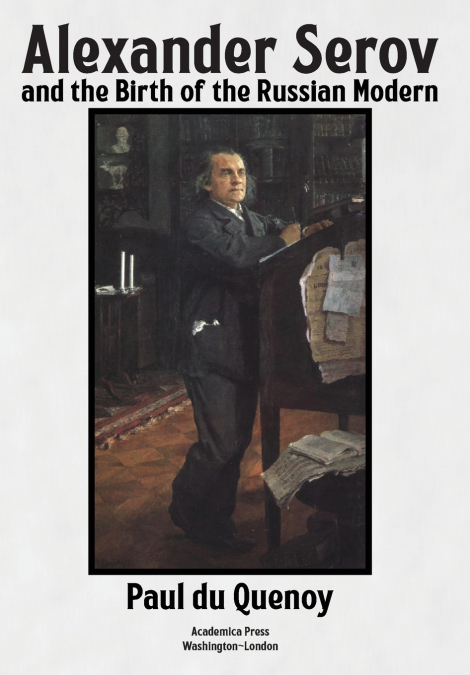
  • Alexander Serov and the Birth of the Russian Modern
    Paul du Quenoy
    When did Russia become 'modern?' Historians of Russia - including even many Russian historians - have long tried to identify Russia’s 'modern' moment. While most scholars have looked to economic or ideological transitions, noted historian and critic Paul du Quenoy approaches the problem through culture, and specifically the performing arts, as told through the prism of one of i...
    Disponible

    114,17 €

Otros libros del autor

  • The Science of String Instruments
    Thomas D. Rossing
    Thomas D. Rossing String instruments are found in almost all musical cultures. Bowed string instruments form the backbone of symphony orchestras, and they are used widely as solo inst- ments and in chamber music as well. Guitars are used universally in pop music as well as in classical music. The piano is probably the most versatile of all musical inst- ments, used widely not o...
    Disponible

    161,50 €