 Librería Samer Atenea
 Kálamo Books
 Librería Elías (Asturias)
 Librería Kolima (Madrid)
 Librería Proteo (Málaga)
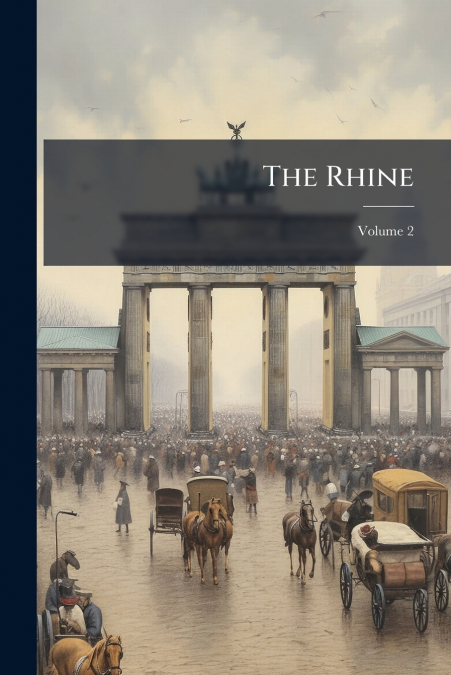
The Rhine, Volume 2 explores the historical, cultural, and natural significance of one of Europe’s most important rivers. Delving into the rich tapestry of the Rhine’s past, this volume examines its role in shaping German identity and European history. Readers will discover tales of ancient trade routes, medieval fortresses, and the picturesque landscapes that have inspired artists and writers for centuries.From its source in the Swiss Alps to its delta in the Netherlands, the Rhine has been a vital artery for commerce and communication. This book offers insights into the river’s ecological importance and the ongoing efforts to preserve its natural beauty. Whether you are a history enthusiast, a travel aficionado, or simply captivated by the wonders of nature, 'The Rhine, Volume 2' provides a fascinating journey along the course of this legendary waterway.This work has been selected by scholars as being culturally important, and is part of the knowledge base of civilization as we know it. This work was reproduced from the original artifact, and remains as true to the original work as possible. Therefore, you will see the original copyright references, library stamps (as most of these works have been housed in our most important libraries around the world), and other notations in the work.This work is in the public domain in the United States of America, and possibly other nations. Within the United States, you may freely copy and distribute this work, as no entity (individual or corporate) has a copyright on the body of the work.As a reproduction of a historical artifact, this work may contain missing or blurred pages, poor pictures, errant marks, etc. Scholars believe, and we concur, that this work is important enough to be preserved, reproduced, and made generally available to the public. We appreciate your support of the preservation process, and thank you for being an important part of keeping this knowledge alive and relevant.