 Librería Samer Atenea
 Kálamo Books
 Librería Elías (Asturias)
 Librería Kolima (Madrid)
 Librería Proteo (Málaga)
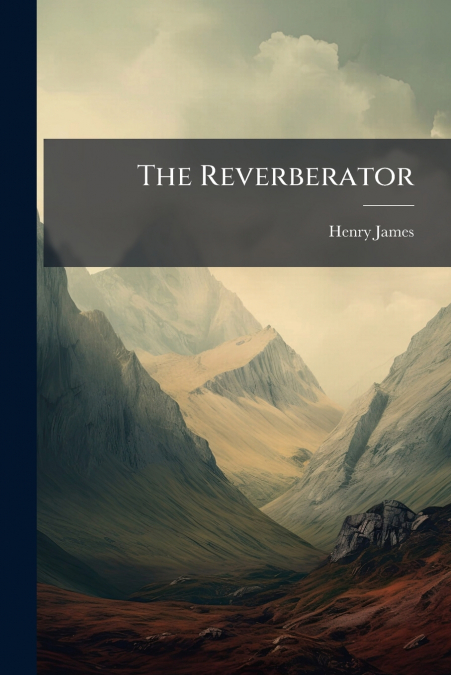
The Reverberator and Madame de Mauves, two novellas by Henry James, explore themes of American innocence abroad and the complexities of cross-cultural relationships. In The Reverberator, the Dosson family, a group of unsophisticated Americans, find themselves embroiled in Parisian high society when their daughter, Francie, unwittingly reveals scandalous secrets to a gossip columnist. James masterfully contrasts American naiveté with European sophistication, highlighting the potential for misunderstanding and the allure of scandal.Madame de Mauves tells the story of Euphemia, an American woman who marries a French nobleman, only to find herself trapped in a loveless marriage. The novella delves into the constraints placed upon women in European society and the yearning for genuine affection. Both stories showcase James’s keen psychological insights and his elegant prose, making them enduring examples of his work.This work has been selected by scholars as being culturally important, and is part of the knowledge base of civilization as we know it. This work was reproduced from the original artifact, and remains as true to the original work as possible. Therefore, you will see the original copyright references, library stamps (as most of these works have been housed in our most important libraries around the world), and other notations in the work.This work is in the public domain in the United States of America, and possibly other nations. Within the United States, you may freely copy and distribute this work, as no entity (individual or corporate) has a copyright on the body of the work.As a reproduction of a historical artifact, this work may contain missing or blurred pages, poor pictures, errant marks, etc. Scholars believe, and we concur, that this work is important enough to be preserved, reproduced, and made generally available to the public. We appreciate your support of the preservation process, and thank you for being an important part of keeping this knowledge alive and relevant.