 Librería Samer Atenea
 Kálamo Books
 Librería Elías (Asturias)
 Librería Kolima (Madrid)
 Librería Proteo (Málaga)
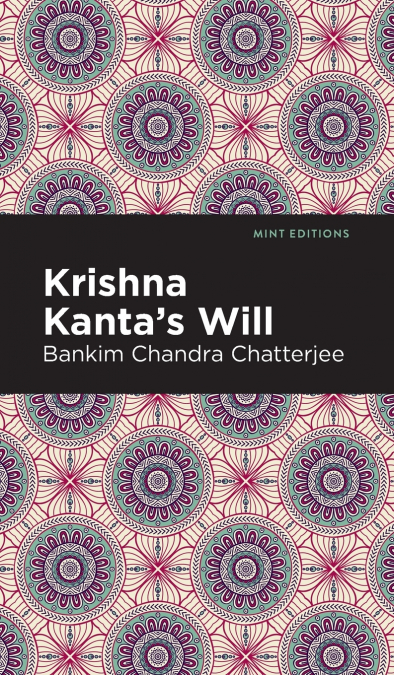
'The Poison Tree' is a powerful novel by Bankim Chandra Chatterjee, translated by M.S. Knight. Set against the backdrop of 19th-century Bengal, this classic explores themes of love, loss, and societal constraints. The story revolves around a man named Nagendra, his wife Srimati, and a young widow, Kundanandini, whose lives become entangled in a web of desire and tragedy. Chatterjee’s narrative delves into the complexities of human relationships, the consequences of impulsive decisions, and the restrictive norms of the time. As Nagendra grapples with his affections, the lives of those around him unravel, leading to devastating outcomes. This compelling tale showcases Chatterjee’s skill as a storyteller and offers a poignant glimpse into a bygone era of Indian society. 'The Poison Tree' remains a relevant and thought-provoking exploration of the human condition.This work has been selected by scholars as being culturally important, and is part of the knowledge base of civilization as we know it. This work was reproduced from the original artifact, and remains as true to the original work as possible. Therefore, you will see the original copyright references, library stamps (as most of these works have been housed in our most important libraries around the world), and other notations in the work.This work is in the public domain in the United States of America, and possibly other nations. Within the United States, you may freely copy and distribute this work, as no entity (individual or corporate) has a copyright on the body of the work.As a reproduction of a historical artifact, this work may contain missing or blurred pages, poor pictures, errant marks, etc. Scholars believe, and we concur, that this work is important enough to be preserved, reproduced, and made generally available to the public. We appreciate your support of the preservation process, and thank you for being an important part of keeping this knowledge alive and relevant.