Evgeny Nikolayevich Trubetskoy / Filip Poutintsev
 Librería Samer Atenea
 Kálamo Books
 Librería Elías (Asturias)
 Librería Kolima (Madrid)
 Librería Proteo (Málaga)
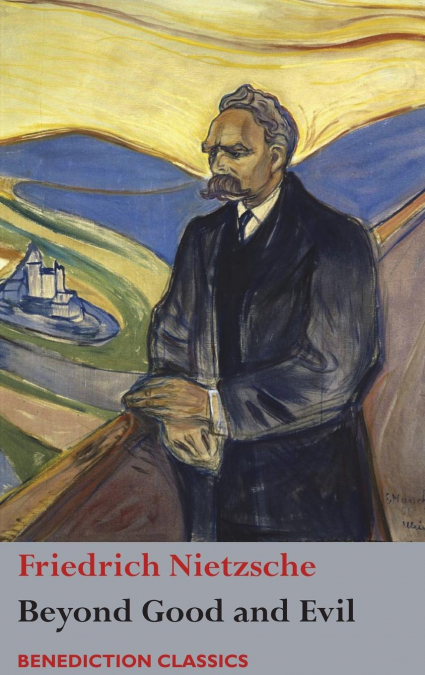
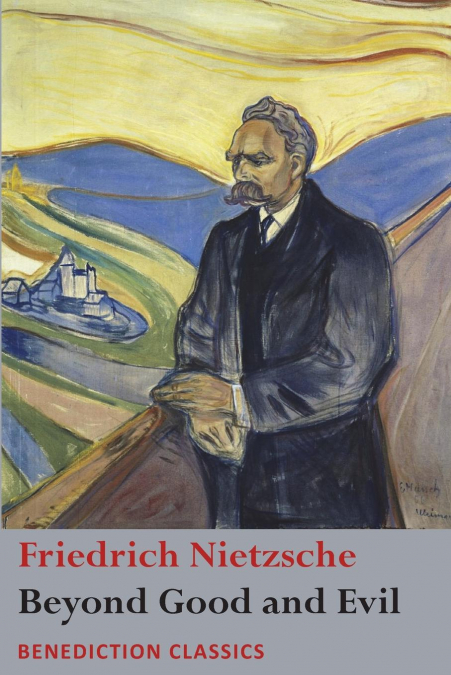
The Philosophy of Nietzsche: A Critical Essay is a book by the Russian philosopher Evgeny Nikolayevich Trubetskoy, which was published in 1903. A thinker who defended the meaning of life and the being of God writes about a thinker who denied the very concepts of good and meaning, who proclaimed the 'death of God.'Trubetskoy writes: 'Nietzsche’s thought is chained to the very thing he denies. The God he rejects remains the center of his philosophy, and in this lies the religiosity of his search. In countless writings, Nietzsche repeated in every key: ’God is dead, God is dead.’ He says this through the mouths of the ’madman,’ Zarathustra, the former pope, and many times in his own person. The result of these endless repetitions gives the impression that Nietzsche wants to rid himself of a haunting nightmare, to assure himself and others that this is only delirium and not reality. However, all his efforts are in vain: he denies that by which he lives! In the end, we must acknowledge Nietzsche for no small merit. His entire philosophy is an extraordinarily eloquent testimony to the power and vitality of that very religious idea against which he preaches.'All of Nietzsche’s philosophy, whose starting point is atheism and whose ultimate result is the negation of man, is an attempt to overcome the fear of death and to answer the question of whether life is worth living at all. The author sets himself the goal of determining how the philosopher coped with this task, and concludes that Nietzsche’s doctrine - although in all his works one feels great philosophical and artistic talent, depth in posing questions, subtlety of observation and critique, wealth and brilliance of imagery - bears the stamp of the decline of philosophical thought, while the final conclusions of his philosophy verge on banality. This colossal disproportion between the forces expended and the result achieved is explained by the general weakening and exhaustion of thought, which is a characteristic feature of the modern epoch, in contrast to the days of philosophy’s highest flourishing, when it was inspired by faith in reason and in thought as the foundation of existence.