

 Librería Samer Atenea
 Kálamo Books
 Librería Elías (Asturias)
 Librería Kolima (Madrid)
 Librería Proteo (Málaga)
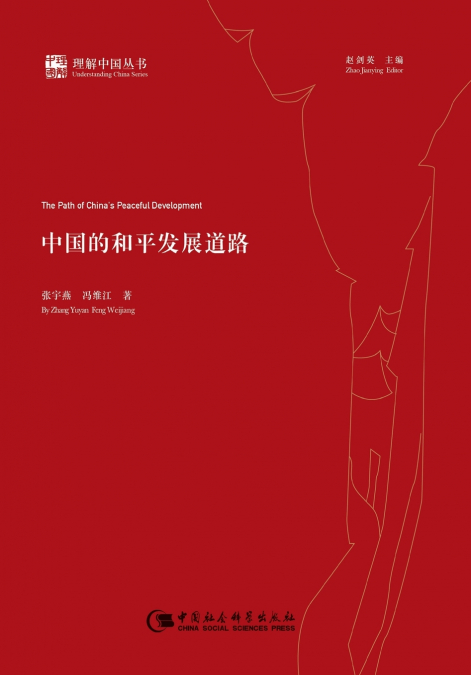
This book explains why, for contemporary China, the external objective of development is to promote peace, the precondition for achieving it is to maintain peace, and the ultimate effect is to consolidate peace.From a historical perspective, 'valuing harmony' has been the mainstream and overarching theme in Chinese culture, while 'valuing competition' has been temporary and partial.From a theoretical perspective, establishing a 'market-augmenting government' that protects property rights and enforces contracts is an essential condition for fostering innovation and realizing the 'gains from trade.' Long-term rapid economic growth, in turn, is built precisely upon innovation and gains from trade.From a practical perspective, China is currently undergoing a historic transition - from an agricultural society to an industrial society, from a planned economy to a socialist market economy, from thousands of years of rule by man to rule of law, and from limited opening-up to comprehensive opening-up. It is shouldering the historic missions of modernizing its national governance system and capacity, and overcoming the middle-income trap. Only by promoting peace through development, and maintaining development through peace, can such a transition be accomplished smoothly.China cannot develop in isolation from the world, nor can the world develop in isolation from China.本书解释了为什么当代中国的发展,对外目标是促进和平,实现条件是维持和平,*终效果是巩固和平。从历史看,中国文化中'重和'是主流的和整体的,'尚争'是暂时的和局部的。从理论看,建立保护产权和保障契约的'扩大与强化市场型政府',是促进创新和实现'得自贸易收益'的重要条件,经济的长期快速增长恰恰是建立在创新和'得自贸易收益'的基础之上。从现实看,中国正处于从农业社会向工业化社会、从计划经济向社会主义市场经济、从几千年的人治向法治、从有限开放向全面开放转变的历史时期,肩负着国家治理体系和治理能力现代化、跨越中等收入陷阱等历史重任。以发展促和平,以和平保发展,方能顺利实现这种过渡。中国的发展离不开世界,世界的发展也离不开中国。





