Inicio > Humanidades > Filosofía > Ética y filosofía moral > The Palgrave Handbook of Violence in Film and Media
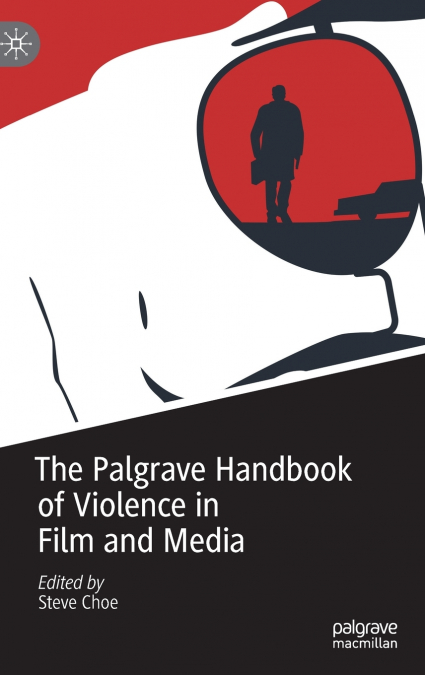
The Palgrave Handbook of Violence in Film and Media

The Palgrave Handbook of Violence in Film and Media

Steve Choe

46,60 €
IVA incluido
Disponible
Editorial:
Springer Nature B.V.
Año de edición:
2022
Materia
Ética y filosofía moral
ISBN:
9783031053917
46,60 €
IVA incluido
Disponible

Selecciona una librería:

  • Librería Samer Atenea
  • Librería Aciertas (Toledo)
  • Kálamo Books
  • Librería Perelló (Valencia)
  • Librería Elías (Asturias)
  • Donde los libros
  • Librería Kolima (Madrid)
  • Librería Proteo (Málaga)

The chapters contained in this handbook address key issues concerning the aesthetics, ethics, and politics of violence in film and media. In addition to providing analyses of representations of violence, they also critically discuss the phenomenology of the spectator, images of atrocity in international cinema, affect and documentary, violent video games, digital infrastructures, cruelty in art cinema, and media and state violence, among many other relevant topics. The Palgrave Handbook of Violence in Film and Media updates existing studies dealing with media and violence while vastly expanding the scope of the field. Representations of violence in film and media are ubiquitous but remain relatively understudied. Too often they are relegated to questions of morality, taste, or aesthetics while judgments about violence can themselves be subjected to moral judgment. Some may question whether objectionable images are worthy of serious scholarly attention at all. While investigating key examples, the chapters in this handbook consider both popular and academic discourses to understand how representations of violence are interpreted and discussed. They propose new approaches and raise novel questions for how we might critically think about this urgent issue within contemporary culture. 
Artículos relacionados

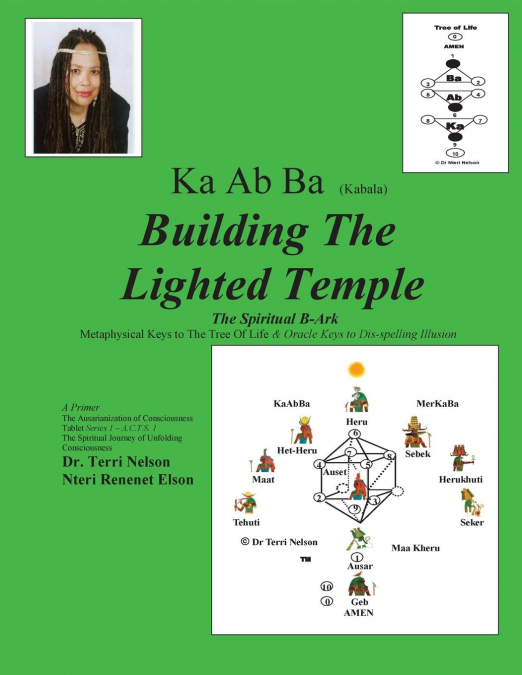
  • Ka Ab Ba Building The Lighted Temple
    Dr Terri R. Nelson / Dr Terri RNelson
    The book KaAbBa Building The Lighted Temple/Metaphysical Keys to the Tree of Life draws a circle that is inclusive of the Afrikan origin of the Ancient Kemetic/Egyptian wisdom. It reveals the undeniable root and link of Ancient Africa to all the religious systems that would develop worldwide. This book is explosive in its power to convey the meaning of KaAbBa, the Medu Neter  (...
    Disponible

    37,41 €

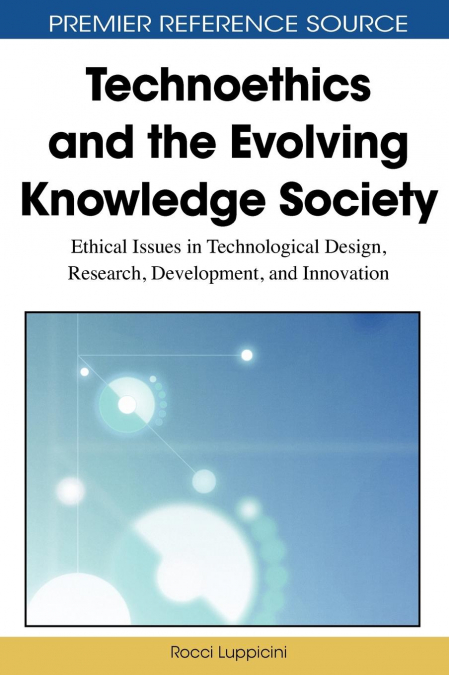
  • Technoethics and the Evolving Knowledge Society
    Rocci Luppicini
    Recently, there has been a major push to rediscover the ethical dimension of technology across the sciences, social sciences, and humanities. Technoethics and the Evolving Knowledge Society: Ethical Issues in Technological Design, Research, Development, and Innovation examines human processes and practices connected to technology embedded within social, political, and moral sph...
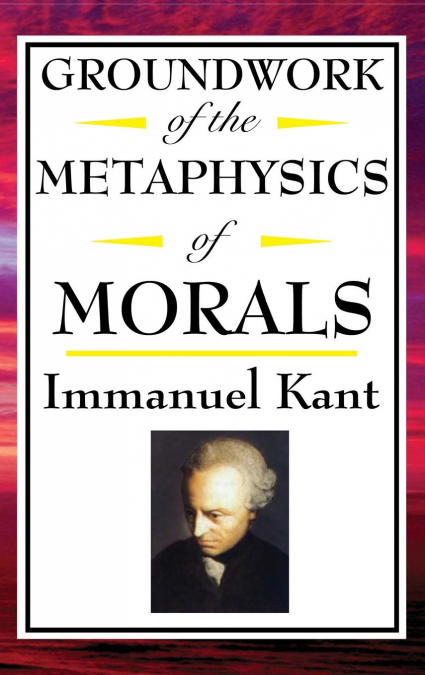
  • Kant
    Immanuel Kant
    Kant’s Groundwork of the Metaphysics of Morals is one of the most important works in modern moral philosophy. It belongs beside Plato, Aristotle, Machiavelli, and Hobbes. Here Kant sets out to articulate and defend the Categorical Imperative - the fundamental principle that underlies moral reasoning - and to lay the foundation for a comprehensive account of justice and human vi...
  • On the Duty of Civil Disobedience
    HENRY DAVID THOREAU
    Civil Disobedience argues that citizens should not permit their governments to overrule their consciences, and that they have a duty to avoid allowing their acquiescence to enable the government to make them the agents of injustice. Thoreau was motivated in part by his disgust with slavery and the Mexican-American War, but the sentiments he expresses here are just as pertinent ...
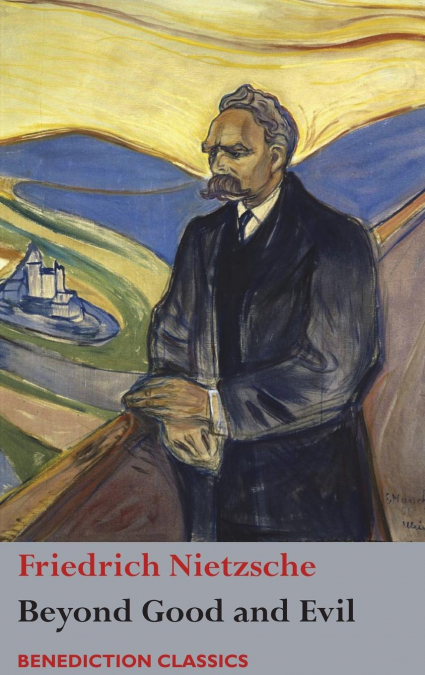
  • Beyond Good and Evil
    Friedrich Nietzsche
    Nietzsche, though primarily a philosopher, wrote widely on art, philology, history, religion, tragedy, culture, and science.  In 1886, at the height of his powers, he published Beyond Good and Evil.  Here he examines much of the best of human thought--dogmatic philosophy, Judeo-Christian morality, science and democracy – and finds it lacking.  Rejecting “slave-morality” he pres...
  • Beyond Good and Evil
    Friedrich Nietzsche
    Nietzsche, though primarily a philosopher, wrote widely on art, philology, history, religion, tragedy, culture, and science.  In 1886, at the height of his powers, he published Beyond Good and Evil.  Here he examines much of the best of human thought--dogmatic philosophy, Judeo-Christian morality, science and democracy – and finds it lacking.  Rejecting “slave-morality” he pres...
    Disponible

    9,99 €

Otros libros del autor

  • The Palgrave Handbook of Violence in Film and Media
    Steve Choe
    The chapters contained in this handbook address key issues concerning the aesthetics, ethics, and politics of violence in film and media. In addition to providing analyses of representations of violence, they also critically discuss the phenomenology of the spectator, images of atrocity in international cinema, affect and documentary, violent video games, digital infrastructure...
  • Sovereign Violence
    Steve Choe
    This book presents a comprehensive analysis of the work of twenty-one of the most well-known South Korean films of the twenty-first century from eight major directors. ...
    Disponible

    83,73 €

  • Sovereign Violence
    Steve Choe
    This book presents a comprehensive analysis of the work of twenty-one of the most well-known South Korean films of the twenty-first century from eight major directors. ...
  • Afterlives
    Steve Choe
    Weimar cultural critics and intellectuals have repeatedly linked the dynamic movement of the cinema to discourses of life and animation. Correspondingly, recent film historians and theorists have taken up these discourses to theorize the moving image, both in analog and digital. But, many important issues are overlooked. Combining close readings of individual films with detaile...
    Disponible

    63,96 €

  • Afterlives
    Steve Choe
    Weimar cultural critics and intellectuals have repeatedly linked the dynamic movement of the cinema to discourses of life and animation. Correspondingly, recent film historians and theorists have taken up these discourses to theorize the moving image, both in analog and digital. But, many important issues are overlooked. Combining close readings of individual films with detaile...