 Librería Samer Atenea
 Kálamo Books
 Librería Elías (Asturias)
 Librería Kolima (Madrid)
 Librería Proteo (Málaga)
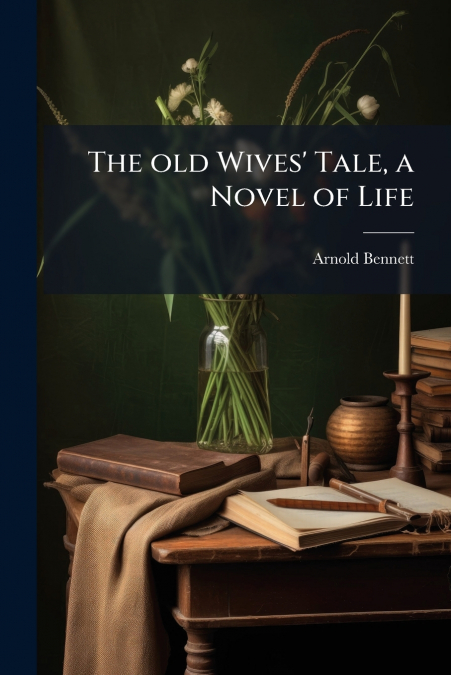
'The Old Wives’ Tale' is a meticulously crafted novel by Arnold Bennett, first published in 1908. It tells the story of two sisters, Constance and Sophia Baines, and their diverging lives from youth to old age. Set primarily in the Staffordshire Potteries district of England and later in Paris, the novel offers a detailed and realistic portrayal of English middle-class life across several decades. Constance remains in their provincial hometown, running the family’s drapery business, while Sophia elopes to France. The novel meticulously charts the everyday events, personal tragedies, and societal changes that shape their individual destinies. Bennett’s work is celebrated for its unflinching realism and acute observation of human nature, making 'The Old Wives’ Tale' a poignant exploration of time, memory, and the quiet dramas of ordinary lives. Its enduring appeal lies in its vivid characters and timeless themes, solidifying its place as a significant work of English literature.This work has been selected by scholars as being culturally important, and is part of the knowledge base of civilization as we know it. This work was reproduced from the original artifact, and remains as true to the original work as possible. Therefore, you will see the original copyright references, library stamps (as most of these works have been housed in our most important libraries around the world), and other notations in the work.This work is in the public domain in the United States of America, and possibly other nations. Within the United States, you may freely copy and distribute this work, as no entity (individual or corporate) has a copyright on the body of the work.As a reproduction of a historical artifact, this work may contain missing or blurred pages, poor pictures, errant marks, etc. Scholars believe, and we concur, that this work is important enough to be preserved, reproduced, and made generally available to the public. We appreciate your support of the preservation process, and thank you for being an important part of keeping this knowledge alive and relevant.