 Librería Samer Atenea
 Kálamo Books
 Librería Elías (Asturias)
 Librería Kolima (Madrid)
 Librería Proteo (Málaga)
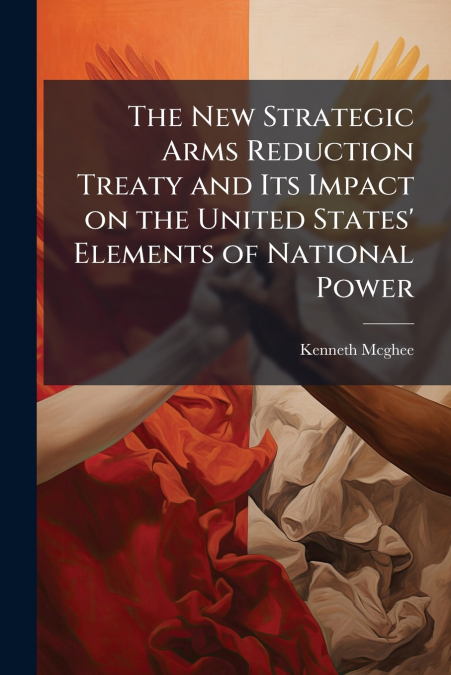
As the Berlin Wall crumbled and the Soviet Union dissolved into fifteen independent states, another less visible change was occurring half way around the world. The geopolitical relationship between the United States (US) and former Soviet Union was also undergoing dramatic change following nearly a half century of nuclear weapon proliferation and brinksmanship. Central to this newly evolving relationship were nuclear non-proliferation treaties. Nuclear treaties between the US and the former Soviet Union have been instrumental in forging a positive geopolitical relationship between the two nuclear powers and shaping the US security strategy. While employed in the US National Security Strategy as a deterrent first and an instrument of battle second, nuclear weapons have been the impetus for international policy discussions between the US and Soviet Union. Their very existence has been useful as a tool to bring both nations together to discuss other significant issues. From 1991 to 2011, nuclear treaties have not only been used as a means to reduce the world’s supply of nuclear weapons but also affect the global nuclear policies of our friends, allies and adversaries.This work has been selected by scholars as being culturally important, and is part of the knowledge base of civilization as we know it. This work was reproduced from the original artifact, and remains as true to the original work as possible. Therefore, you will see the original copyright references, library stamps (as most of these works have been housed in our most important libraries around the world), and other notations in the work.This work is in the public domain in the United States of America, and possibly other nations. Within the United States, you may freely copy and distribute this work, as no entity (individual or corporate) has a copyright on the body of the work.As a reproduction of a historical artifact, this work may contain missing or blurred pages, poor pictures, errant marks, etc. Scholars believe, and we concur, that this work is important enough to be preserved, reproduced, and made generally available to the public. We appreciate your support of the preservation process, and thank you for being an important part of keeping this knowledge alive and relevant.