
Inicio > Lenguas > Lingüistica > Lingüística histórica y comparada > The Neo-Aramaic Oral Heritage of the Jews of Zakho
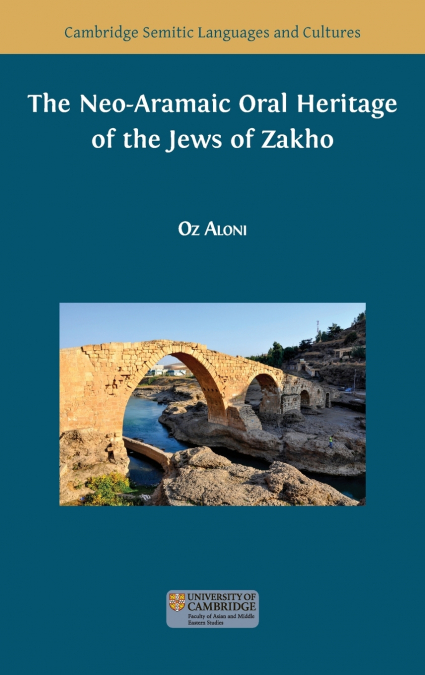
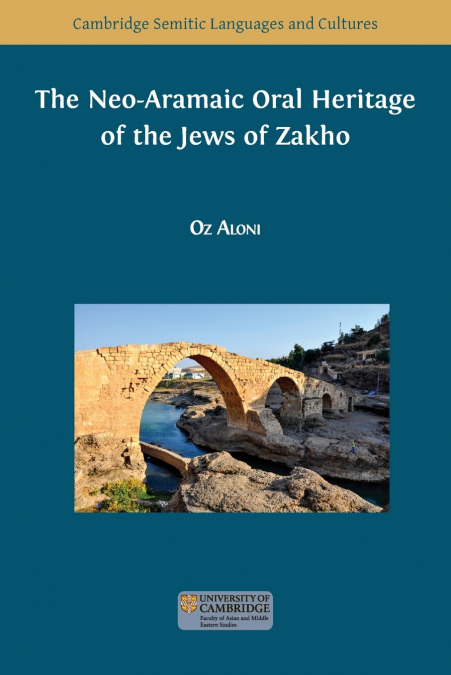
The Neo-Aramaic Oral Heritage of the Jews of Zakho

The Neo-Aramaic Oral Heritage of the Jews of Zakho

Oz Aloni

33,52 €
IVA incluido
Disponible
Editorial:
Open Book Publishers
Año de edición:
2022
Materia
Lingüística histórica y comparada
ISBN:
9781800643024
33,52 €
IVA incluido
Disponible

Selecciona una librería:

  • Librería Samer Atenea
  • Librería Aciertas (Toledo)
  • Kálamo Books
  • Librería Perelló (Valencia)
  • Librería Elías (Asturias)
  • Donde los libros
  • Librería Kolima (Madrid)
  • Librería Proteo (Málaga)

In 1951, the secluded Neo-Aramaic-speaking Jewish community of Zakho migrated collectively to Israel. It carried with it its unique language, culture and customs, many of which bore resemblance to those found in classical rabbinic literature. Like others in Kurdistan, for example, the Jews of Zakho retained a vibrant tradition of creating and performing songs based on embellishing biblical stories with Aggadic traditions.Despite the recent growth of scholarly interest into Neo-Aramaic communities, however, studies have to this point almost exclusively focused on the linguistic analysis of their critically endangered dialects and little attention has been paid to the sociological, historical and literary analysis of the cultural output of the diverse and isolated Neo-Aramaic communities of Kurdistan. In this innovative book, Oz Aloni seeks to redress this balance.Aloni focuses on three genres of the Zakho community’s oral heritage: the proverb, the enriched biblical narrative and the folktale. Each chapter draws on the authors’ own fieldwork among members of the Zakho community now living in Jerusalem. He examines the proverb in its performative context, the rewritten biblical epic narrative of Ruth, Naomi and King David, and a folktale with the unusual theme of magical gender transformation. Insightfully breaking down these examples with analysis drawn from a variety of conceptual fields, Aloni succeeds in his mission to put the speakers of the language and their culture on equal footing with their speech.
Artículos relacionados

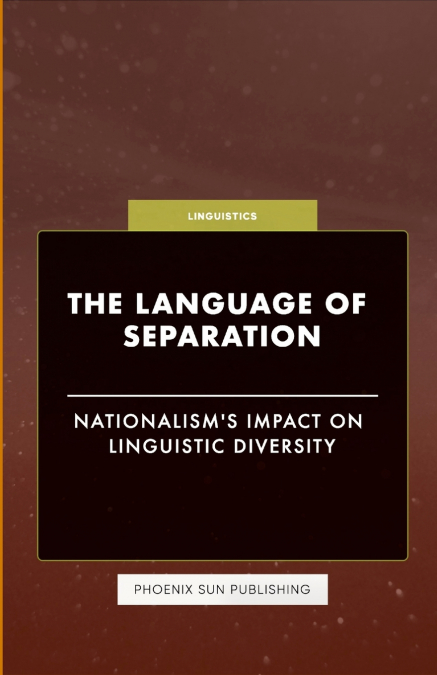
  • The Language of Separation - Nationalism’s Impact on Linguistic Diversity
    PS Publishing
    'The Language of Separation' delves into the intricate relationship between nationalism and linguistic diversity. Exploring the impact of nationalist ideologies on language policies and practices, this book examines how notions of nationhood influence linguistic identity and representation. Through compelling analysis , it sheds light on the complexities of language politics an...
    Disponible

    14,22 €

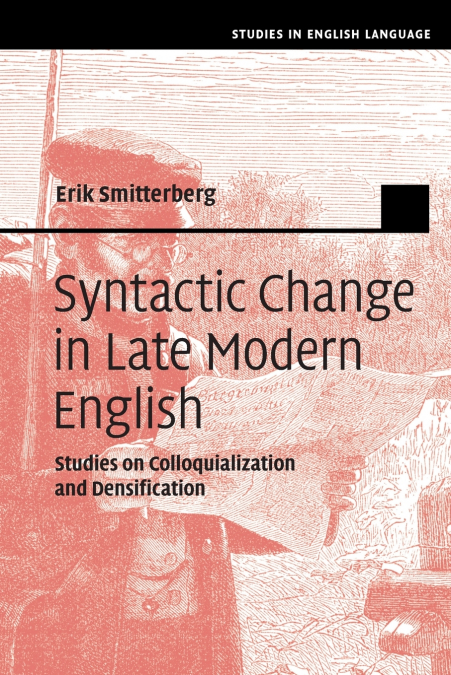
  • Syntactic Change in Late Modern English
    Erik Smitterberg
    ...
    Disponible

    38,10 €

  • Third Factors in Language Variation and Change
    Elly Van Gelderen
    ...
    Disponible

    35,80 €

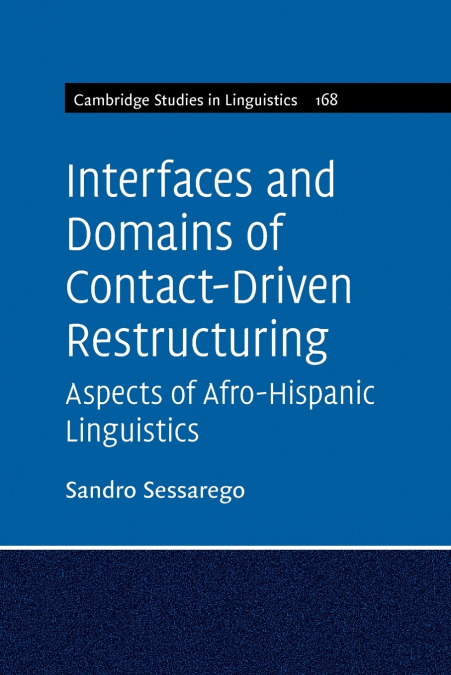
  • Interfaces and Domains of Contact-Driven Restructuring
    Sandro Sessarego
    ...
    Disponible

    36,03 €

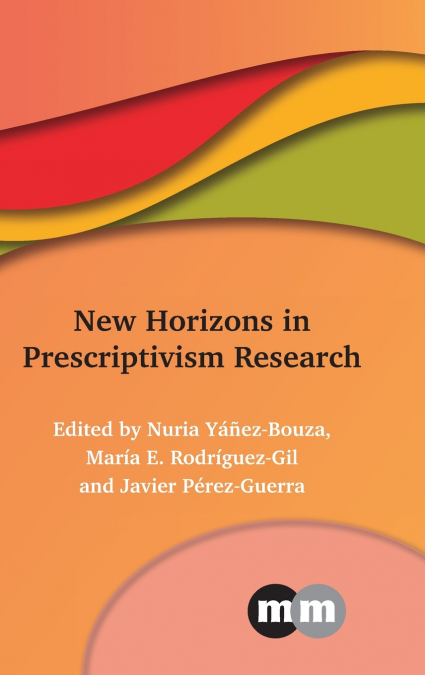
  • New Horizons in Prescriptivism Research
    This book investigates the connections between evaluative judgements on language and the larger social, cultural, and political issues that shed light on the practice of prescriptivism. The chapters cover three main areas: language, which represents the traditional roots of the study of linguistic norms in authoritative (historical) manuals and judgemental attitudes to language...
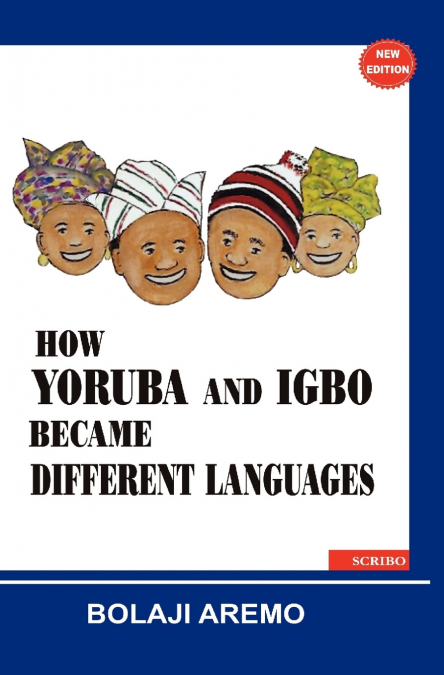
  • How Yoruba and Igbo Became Different Languages
    Bolaji Aremo
    The main objective of this study is to identify examples of genetically related Igbo and Yoruba words that might serve as further evidence in support of some linguists’ claim that the two languages developed from the same parent language. The author is a retired head of the Department of English at Obafemi Awolowo University, Nigeria. ...
    Disponible

    53,75 €

Otros libros del autor

  • The Neo-Aramaic Oral Heritage of the Jews of Zakho
    Oz Aloni
    In 1951, the secluded Neo-Aramaic-speaking Jewish community of Zakho migrated collectively to Israel. It carried with it its unique language, culture and customs, many of which bore resemblance to those found in classical rabbinic literature. Like others in Kurdistan, for example, the Jews of Zakho retained a vibrant tradition of creating and performing songs based on embellish...