

 Librería Samer Atenea
 Kálamo Books
 Librería Elías (Asturias)
 Librería Kolima (Madrid)
 Librería Proteo (Málaga)
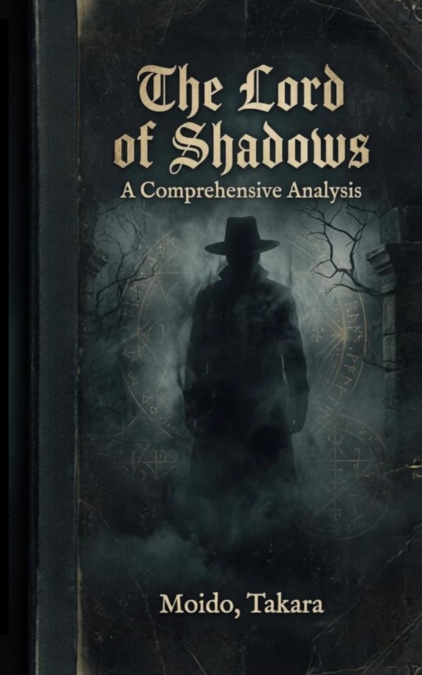
The Lord of Shadows: A Comprehensive Analysis offers an exhaustive investigation into one of the most terrifying, ubiquitous, and enigmatic figures of modern folklore and anomalous research: the entity colloquially known as the Hatman or Shadowman. While contemporary culture and pop ufology often reduce this specter to a simple bedroom hallucination or a run-of-the-mill sleep paralysis demon, this work excavates a far more intricate, deeply unsettling lineage. At the heart of the text lies the expansive framework developed by anomalous researcher Dakota Frandsen, who argues that the entity, formally designated as the Lord of Shadows, is neither a modern ghost nor a harmless cognitive misfire, but an ancient, predatory cosmic force intrinsically tied to the origin of human violence. Through a synthesis of comparative folklore, esoteric theology, and psychoanalytic theory, the book bridges modern encounters with the ancient Breton lore of the Ankou-the gaunt, wide-brimmed harvester of souls. It explores the dark mythological identification of the Ankou as the cursed biblical Cain, the first human to commit murder. The text further links this figure to Gnostic cosmologies of Archons and Kabbalistic traditions of the Serpent Seed, proposing a grand cosmic structure wherein terrestrial atrocities, domestic abuse, and profound grief are actively cultivated by an immortal mechanism designed to harvest the dense energetic output of human suffering, often called loosh. Simultaneously, the work maintains rigorous academic grounding by interrogating alternative explanatory models. It provides a thorough examination of neurobiological phenomena, including REM atonia, hypnagogic imagery, and the toxicological deliriant effects of diphenhydramine. It applies Nandor Fodor’s psychoanalytic frameworks to illustrate how extreme, repressed domestic trauma can be subconsciously externalized into tangible kinetic manifestations. Beyond mere supernatural inquiry, the document presents a profound study of narrative restructuring. By recasting terrestrial malevolence into a structured cosmic war, trauma survivors transform helplessness into agency, weaponizing grief into investigative armor and using technological and esoteric defenses to confront their darkest terrors.





