 Librería Samer Atenea
 Kálamo Books
 Librería Elías (Asturias)
 Librería Kolima (Madrid)
 Librería Proteo (Málaga)
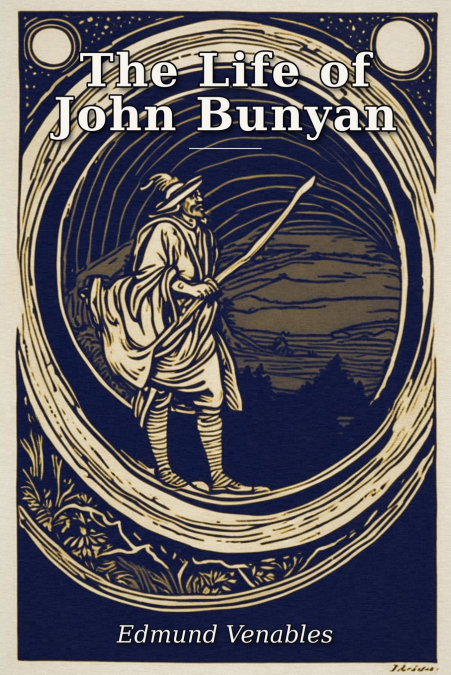
is a historical account written in the late 19th century. This biography explores the life and significanceofJohnBunyan,therenownedauthorof'ThePilgrim’sProgress,' detailing his formative years, the socio-political backdrop of his time, and the various struggles he faced both personally and spiritually. It highlights Bunyan’s journey from a seemingly inconsequential tinker in 17th century England to one of the most influential writers in the English literary canon. At the start of the book, the rich historical context surrounding Bunyan’s birth is established, including the turbulent political climate of 1628 Eng land, marked by tensions between the monarchy and Parliament. The early narrative gives insight into Bunyan’shumblebeginningsinElstow,Bedford shire, detailing his family background and the societal standing of his par ents. As the text unfolds, readers are introduced to Bunyan’s childhood, characterized by a reckless youth filled with wild behavior that later trans formed into spiritual turmoil and search for redemption. This opening lays the foundation for a deeper exploration of Bunyan’s later spiritual awaken ing, his theologically charged conversion experiences, and the profound im pact of his faith on his life and writings, setting the stage for a compelling portrait of a man who became a pivotal figure in religious literature.Bunyan, the author of the book which has probably passed through more editions, had a greater number of readers, and been translated into more languages than any other book in the English tongue, was born in the parish of Elstow, in Bedfordshire, in the latter part of the year 1628, and was baptized in the parish church of the village on the last day of November of that year. Theyear of John Bunyan’s birth was a momentous one both for the nation and for the Church of England. Charles I., by the extorted assent to the Petition of Right, had begun reluctantly to strip himself of the irrespon sible authority he had claimed, and had taken the first step in the struggle betweenKingandParliamentwhichended in theHouse ofCommonsseat ing itself in the place of the Sovereign.