 Librería Samer Atenea
 Kálamo Books
 Librería Elías (Asturias)
 Librería Kolima (Madrid)
 Librería Proteo (Málaga)
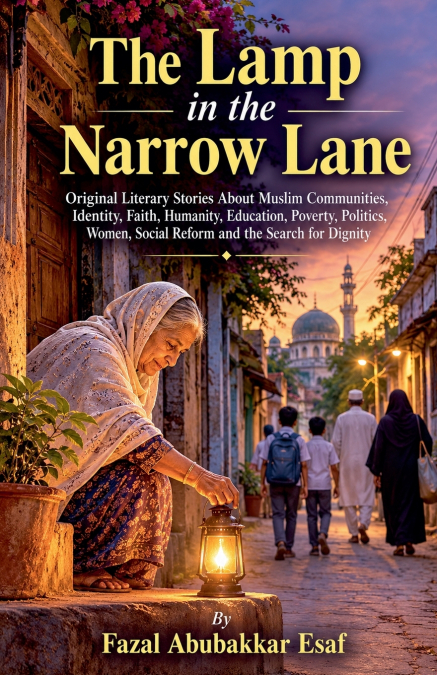
Every neighborhood has a story that cannot be understood simply by looking at its streets, buildings or markets. Its real history lives in the conversations between neighbors, the sacrifices made by parents, the ambitions carried silently by children, the memories of elderly residents and the everyday kindness that rarely finds its way into official records.Muslim neighborhoods across India are often discussed through narrow descriptions. Public conversations may focus on religious identity, poverty, political representation, communal tensions, educational disadvantages or questions of social reform. These subjects matter, but they do not represent the entirety of a community’s existence.Behind every generalization are millions of individual lives. There are teachers who spend their evenings helping neighborhood children, women who build businesses with limited resources, doctors who serve families unable to afford expensive treatment, young people who question inherited assumptions, religious scholars who encourage thoughtful inquiry, and ordinary citizens who quietly contribute to the larger society.There are also contradictions. Communities can preserve beautiful traditions while resisting necessary change. Religious institutions can inspire generosity while struggling with accountability. Families can value education while placing unequal expectations on daughters and sons. Political leaders can speak about development while overlooking the streets where ordinary citizens live.This collection, The Lamp in the Narrow Lane, emerges from an interest in these human realities.The fifteen stories examine Muslim life through multiple perspectives rather than a single social narrative. They explore belonging, education, women’s independence, religious understanding, economic survival, healthcare, urban development, citizenship, interfaith friendship and the responsibilities of younger generations.