The Kāma Code

The Kāma Code

Vikram Kapoor

17,28 €
IVA incluido
Consulta disponibilidad
Editorial:
Sovereign Code Press
Año de edición:
2025
Materia
Ética y filosofía moral
ISBN:
9798232637309

Selecciona una librería:

  • Librería Samer Atenea
  • Librería Aciertas (Toledo)
  • Kálamo Books
  • Librería Perelló (Valencia)
  • Librería Elías (Asturias)
  • Donde los libros
  • Librería Kolima (Madrid)
  • Librería Proteo (Málaga)

For 150 years, we’ve been reading the Kāmasūtra wrong.Since Richard Burton’s 1883 translation, we’ve reduced one of history’s most complete philosophies of living to a handbook of exotic positions-ignoring the 95% of its structural logic that could fundamentally restructure a successful life.Vātsyāyana was not a hedonist. He was a master logician in the Nyāya school whose ultimate concern was absolute inner freedom (Moksha). If his ambition was liberation, why did he dedicate his genius to codifying pleasure?Because freedom is structurally impossible for someone compromised by chronic financial anxiety, paralyzing ethical guilt, or addiction to low-quality stimulation.The Kāma Code recovers Vātsyāyana’s true teaching: a systematic framework for integrating the four great aims of human existence-Dharma (Integrity), Artha (Security), Kāma (Fulfillment), and Moksha (Liberation)-into one uncompromised life architecture.This is not self-help. It’s strategic philosophy for the high-stakes professional:Calculate Your Panic Threshold: Define the precise financial measure that purchases mental clarity and strategic non-reaction.Implement the Sovereign Veto System: Four non-negotiable guardrails that prevent success in one area from producing catastrophic failure in another.Apply the Pain Principle: The cognitive practice (Duḥkha-Saṃñā) that dissolves compulsive grasping by seeing the inevitable contingency of every worldly pleasure.Master Non-Grasping in Commerce: Navigate high-stakes negotiations and professional pressure from genuine non-attachment, ensuring that integrity is preserved and fear is eliminated.Cultivate High-Quality Kāma: Systematically train your senses and mind across the seven pillars of authentic joy to demand depth, connection, and lasting fulfillment.The framework is 2,000 years old. The application is immediate.Every chapter ends with operational protocols: weekly audits, decision frameworks, relationship maintenance rituals, and the seven-step practice for systematically training your mind to hold desires without being controlled by them.The question is simple: Will you be governed, or will you govern?This book provides the operating system for making that choice with clarity, not impulse.Not balance. Integration. Not compromise. Synthesis. Not eventually. Now.

Artículos relacionados

  • Ka Ab Ba Building The Lighted Temple
    Dr Terri R. Nelson / Dr Terri RNelson
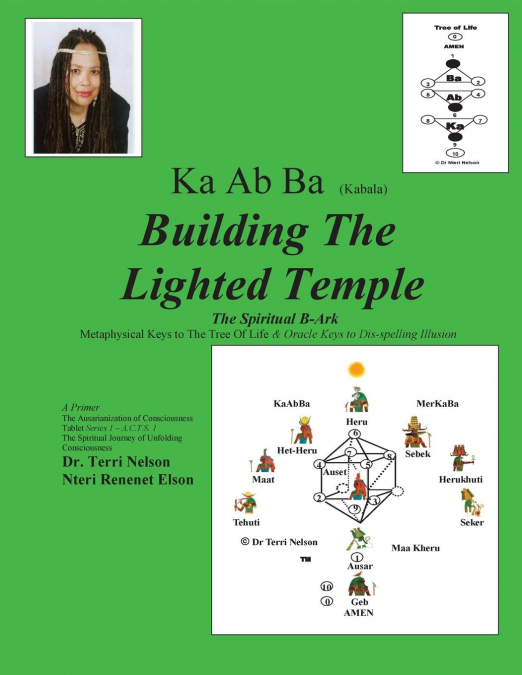
    The book KaAbBa Building The Lighted Temple/Metaphysical Keys to the Tree of Life draws a circle that is inclusive of the Afrikan origin of the Ancient Kemetic/Egyptian wisdom. It reveals the undeniable root and link of Ancient Africa to all the religious systems that would develop worldwide. This book is explosive in its power to convey the meaning of KaAbBa, the Medu Neter  (...
    Disponible

    37,41 €

  • Technoethics and the Evolving Knowledge Society
    Rocci Luppicini
    Recently, there has been a major push to rediscover the ethical dimension of technology across the sciences, social sciences, and humanities. Technoethics and the Evolving Knowledge Society: Ethical Issues in Technological Design, Research, Development, and Innovation examines human processes and practices connected to technology embedded within social, political, and moral sph...
  • Kant
    Immanuel Kant
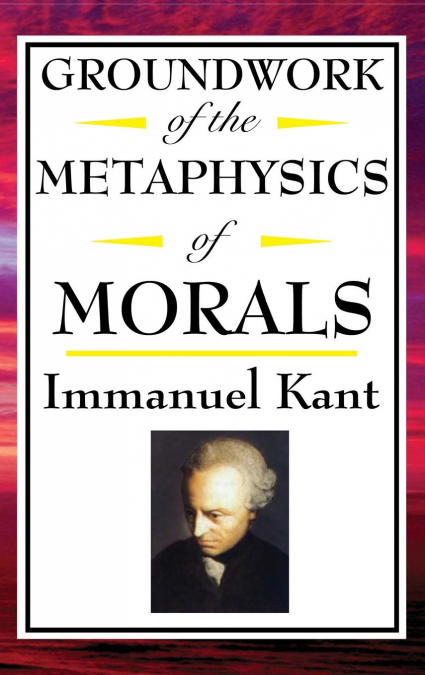
    Kant’s Groundwork of the Metaphysics of Morals is one of the most important works in modern moral philosophy. It belongs beside Plato, Aristotle, Machiavelli, and Hobbes. Here Kant sets out to articulate and defend the Categorical Imperative - the fundamental principle that underlies moral reasoning - and to lay the foundation for a comprehensive account of justice and human vi...
  • On the Duty of Civil Disobedience
    HENRY DAVID THOREAU
    Civil Disobedience argues that citizens should not permit their governments to overrule their consciences, and that they have a duty to avoid allowing their acquiescence to enable the government to make them the agents of injustice. Thoreau was motivated in part by his disgust with slavery and the Mexican-American War, but the sentiments he expresses here are just as pertinent ...
  • Beyond Good and Evil
    Friedrich Nietzsche
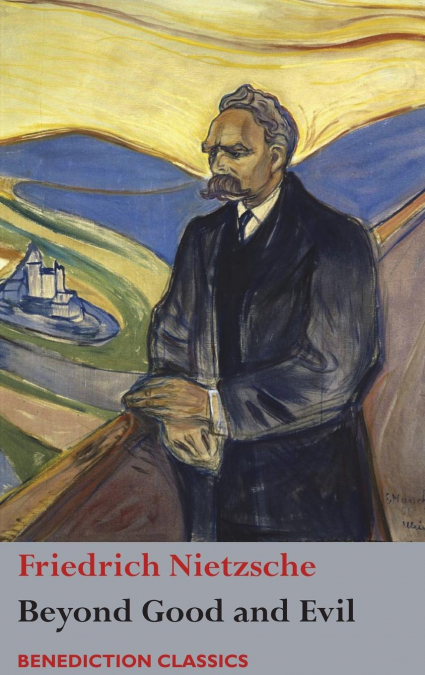
    Nietzsche, though primarily a philosopher, wrote widely on art, philology, history, religion, tragedy, culture, and science.  In 1886, at the height of his powers, he published Beyond Good and Evil.  Here he examines much of the best of human thought--dogmatic philosophy, Judeo-Christian morality, science and democracy – and finds it lacking.  Rejecting “slave-morality” he pres...
  • Beyond Good and Evil
    Friedrich Nietzsche
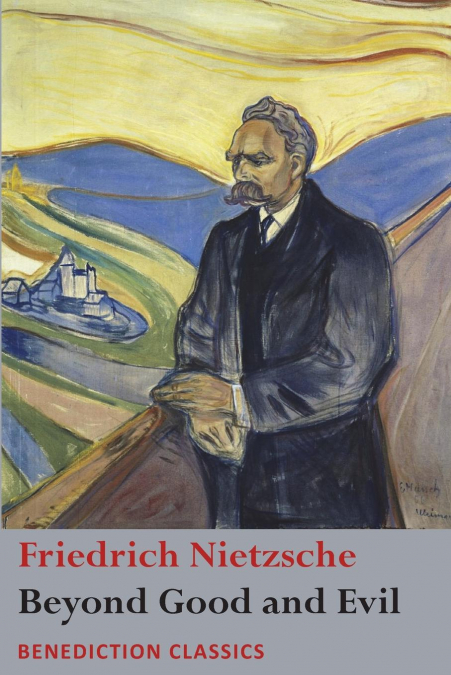
    Nietzsche, though primarily a philosopher, wrote widely on art, philology, history, religion, tragedy, culture, and science.  In 1886, at the height of his powers, he published Beyond Good and Evil.  Here he examines much of the best of human thought--dogmatic philosophy, Judeo-Christian morality, science and democracy – and finds it lacking.  Rejecting “slave-morality” he pres...
    Disponible

    9,99 €