

 Librería Samer Atenea
 Kálamo Books
 Librería Elías (Asturias)
 Librería Kolima (Madrid)
 Librería Proteo (Málaga)
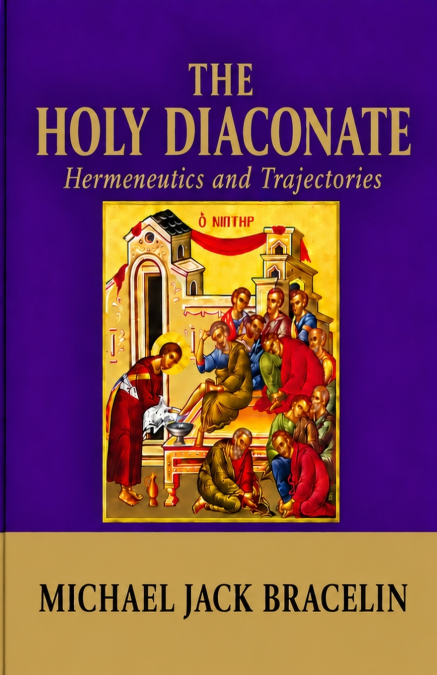
Is the diaconate even necessary? For many Western Catholics, the diaconate remains one of the least understood dimensions of Holy Orders. The deacon may be a familiar sight as the man who proclaims the Gospel, assists at the altar, preaches, baptizes, witnesses marriages, or serves the poor. But those functions alone do not answer the deeper question: Who is a deacon?In The Holy Diaconate: Hermeneutics and Trajectories, the approach to that question is based in Scripture, the Fathers of the Church, liturgical tradition, history, canon law, and the lived inheritance of both Eastern and Western Christianity. Rather than beginning with a list of what deacons are permitted to do, what must be asked is what the Church’s own tradition reveals about what the deacon is. The resulting study traces the office from the Levites of the Old Testament and the ministering angels, through Christ the Servant, Acts and the Pauline epistles, the early Church Fathers, and the development of the threefold ministry of bishop, presbyter, and deacon. The book then walks through the diaconate regarding its gradual contraction in the medieval West, its survival and continued visibility in the Christian East, and its modern restoration in the Catholic Church. At the center of the book is a simple conviction: the diaconate cannot be adequately understood as a collection of useful tasks; its functions flow from a sacramental identity rooted in Christ himself-the One who came not to be served but to serve.Written with extensive engagement with primary sources while remaining accessible beyond the academy, The Holy Diaconate is intended for deacons, men discerning the diaconate, seminarians, priests, bishops, theologians, formation programs, and lay Catholics who want to understand why the Church has a diaconate at all. The question is not merely what a deacon can do. The deeper question is whom the Church ordained him to be. 6





