 Librería Samer Atenea
 Kálamo Books
 Librería Elías (Asturias)
 Librería Kolima (Madrid)
 Librería Proteo (Málaga)
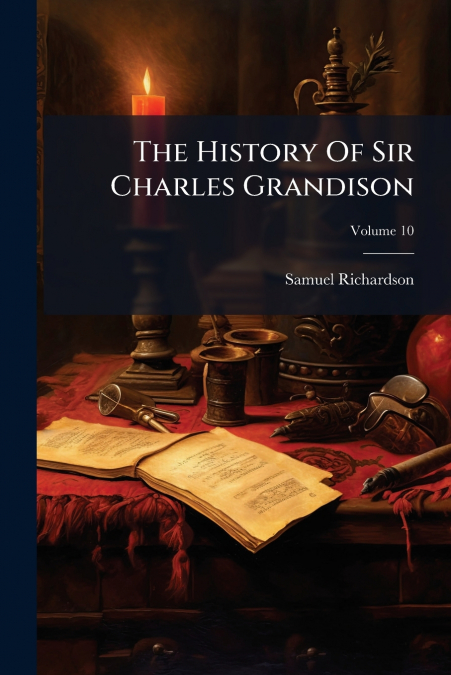
Delve into the intricate world of 18th-century society with Samuel Richardson’s masterpiece, 'The History Of Sir Charles Grandison, In A Series Of Letters, Volume 10.' Presented through a collection of personal letters, this epistolary novel offers a unique and intimate perspective on the lives, loves, and moral dilemmas of its characters. Richardson’s meticulous attention to detail and profound understanding of human nature make this a compelling read for anyone interested in classic literature. Follow the story through the eyes and voices of its protagonists, as they navigate complex relationships and societal expectations. 'The History Of Sir Charles Grandison' is a testament to Richardson’s skill as a novelist and his enduring contribution to English literature. This volume promises to immerse you in the rich tapestry of 18th-century England, exploring themes of virtue, honor, and the complexities of love.This work has been selected by scholars as being culturally important, and is part of the knowledge base of civilization as we know it. This work was reproduced from the original artifact, and remains as true to the original work as possible. Therefore, you will see the original copyright references, library stamps (as most of these works have been housed in our most important libraries around the world), and other notations in the work.This work is in the public domain in the United States of America, and possibly other nations. Within the United States, you may freely copy and distribute this work, as no entity (individual or corporate) has a copyright on the body of the work.As a reproduction of a historical artifact, this work may contain missing or blurred pages, poor pictures, errant marks, etc. Scholars believe, and we concur, that this work is important enough to be preserved, reproduced, and made generally available to the public. We appreciate your support of the preservation process, and thank you for being an important part of keeping this knowledge alive and relevant.