Librería Samer Atenea
 Kálamo Books
 Librería Elías (Asturias)
 Librería Kolima (Madrid)
 Librería Proteo (Málaga)
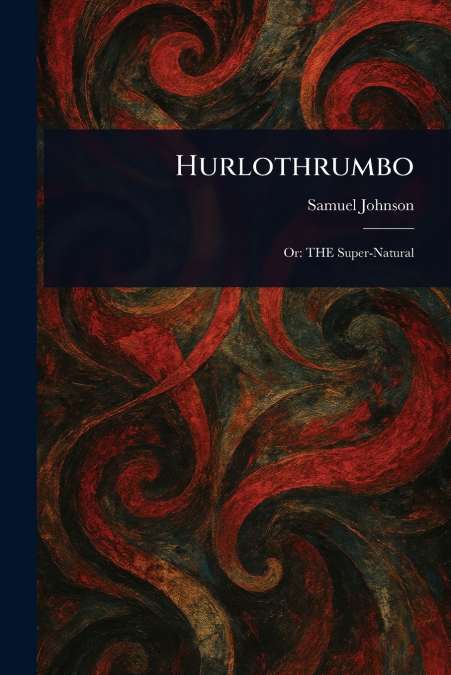
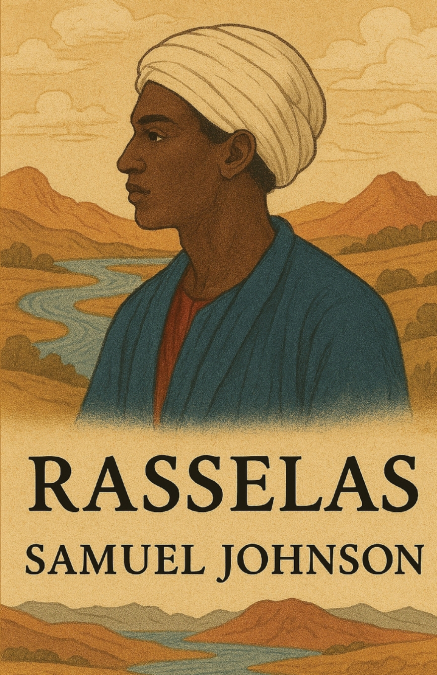
'The History of Rasselas, Prince of Abissinia' (also known as 'Rasselas') is a philosophical novella by Samuel Johnson. First published in 1759, it tells the story of Rasselas, an Abyssinian prince, who escapes his idyllic but confining valley in search of happiness. Accompanied by the philosopher Imlac, his sister Nekayah, and her attendant Pekuah, Rasselas journeys through Egypt, experiencing various aspects of life but finding lasting contentment elusive. Johnson’s narrative explores themes of happiness, human nature, and the futility of seeking perfect contentment in earthly pursuits. Through the characters’ encounters and reflections, the novella critiques utopian ideals and examines the complexities of human desires and expectations. 'Rasselas' remains a significant work of 18th-century literature, offering timeless insights into the human condition and the pursuit of meaning and satisfaction.This work has been selected by scholars as being culturally important, and is part of the knowledge base of civilization as we know it. This work was reproduced from the original artifact, and remains as true to the original work as possible. Therefore, you will see the original copyright references, library stamps (as most of these works have been housed in our most important libraries around the world), and other notations in the work.This work is in the public domain in the United States of America, and possibly other nations. Within the United States, you may freely copy and distribute this work, as no entity (individual or corporate) has a copyright on the body of the work.As a reproduction of a historical artifact, this work may contain missing or blurred pages, poor pictures, errant marks, etc. Scholars believe, and we concur, that this work is important enough to be preserved, reproduced, and made generally available to the public. We appreciate your support of the preservation process, and thank you for being an important part of keeping this knowledge alive and relevant.