 Librería Samer Atenea
 Kálamo Books
 Librería Elías (Asturias)
 Librería Kolima (Madrid)
 Librería Proteo (Málaga)
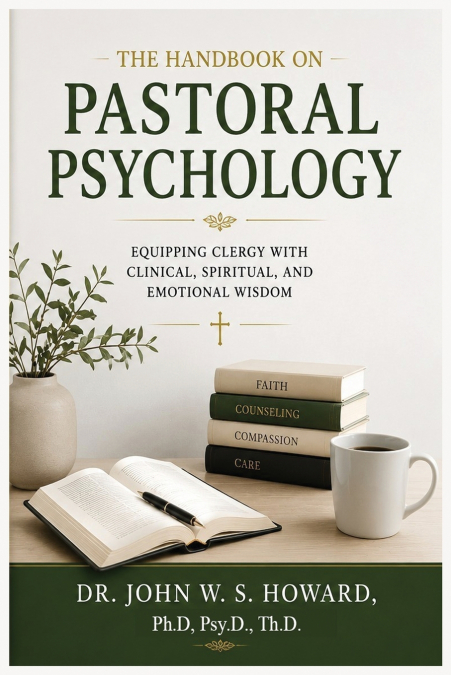
The Handbook on Pastoral PsychologyHow can Christian faith and psychological understanding work together in caring for people who are experiencing emotional, relational, spiritual, and psychological struggles?The Handbook on Pastoral Psychology explores pastoral care at the meeting point of Christian theology and psychological understanding. It presents pastoral psychology and pastoral psychotherapy as an integrated form of care that takes seriously the psychological, emotional, relational, and spiritual dimensions of human life while maintaining the importance of professional competence, ethical responsibility, and Christian faith. A significant focus of the book is pastoral psychotherapy and the role of the Holy Spirit. The manuscript examines the Spirit as presence, teacher and guide, comforter, agent of transformation, giver of gifts, and intercessor. It presents the Holy Spirit as central to healing and transformation while emphasizing that spiritual dependence does not eliminate the need for psychological knowledge, careful listening, professional skills, ethical boundaries, and appropriate collaboration. The book also considers how pastoral psychotherapy may respond to depression, anxiety, and neurodivergence. It emphasizes that spiritual care should not replace psychological understanding or professional treatment. Instead, spiritual openness, psychological insight, appropriate intervention, and healthy community can work together while respecting the dignity and freedom of the person receiving care. Another major theme is pastoral diagnosis. Rather than treating pastoral diagnosis as psychiatric labeling, the book presents it as a careful and provisional effort to understand a person’s relationship with God, faith and meaning, guilt and shame, relationships, emotional state, strengths, risks, and broader context. The approach emphasizes listening, humility, self-awareness, appropriate boundaries, and referral when needs exceed pastoral competence. The handbook also examines the language used in pastoral relationships, emphasizing how words, tone, theological terminology, and communication style can either create safety and openness or contribute to shame, confusion, and distance. It encourages pastors to communicate with clarity, humility, emotional awareness, and sensitivity to the language and experience of the person receiving care. The later chapters address measurable tools and instruments used in pastoral psychology, including spiritual and religious measures, emotional-distress screeners, trauma-related checklists, relational inventories, and ministry-specific questionnaires. At the same time, the book stresses that such instruments must never replace relationship, pastoral judgment, informed consent, confidentiality, competence, or professional referral. The book further explores models for spiritual assessment, emphasizing that no model is completely neutral and that theological tradition, culture, setting, and purpose influence whether a particular framework is helpful. It encourages careful, humble, culturally sensitive use of assessment models while keeping the person’s story and relationship at the center of care. Finally, ethical behavior and standards in pastoral ministry receive substantial attention. Because pastors often work with people experiencing grief, guilt, fear, relational breakdown, spiritual confusion, and emotional distress, the book emphasizes the importance of protecting vulnerable people, recognizing pastoral power, maintaining appropriate boundaries, and treating ethical integrity as an essential part of pastoral and professional credibility.