

 Librería Samer Atenea
 Kálamo Books
 Librería Elías (Asturias)
 Librería Kolima (Madrid)
 Librería Proteo (Málaga)
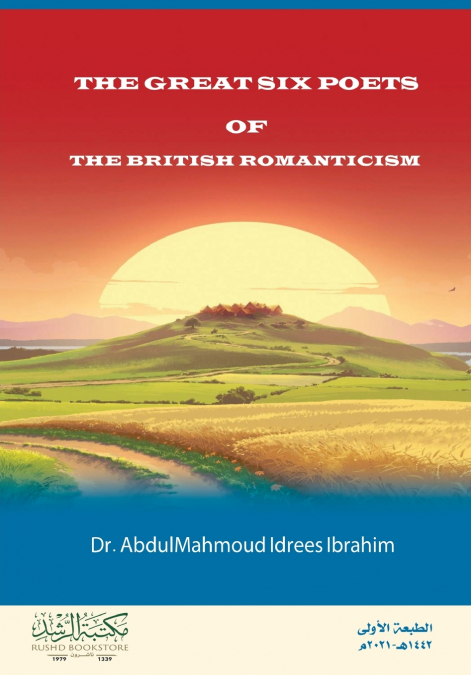
This book serves as an in-depth academic and literary exploration of Romanticism, one of the most influential movements in Western literature, art, and culture. Spanning from the late 18th to the early 19th century (circa 1785-1832), Romanticism emerged as a powerful reaction against the rationalism and scientific spirit of the Enlightenment, placing greater emphasis on emotion, imagination, nature, and the individual. Chapter 1: Romanticism - Historical and Cultural ContextThe book opens with a thorough introduction to the origins of Romanticism, placing it within the political and philosophical landscape of Europe, particularly in response to the French Revolution. A special emphasis is given to British Romanticism, particularly the emergence of a new poetic vision that valued feeling over reason and nature over industrialism. Chapter 2: Features and Themes of Romantic PoetryThis chapter delves into the defining characteristics of Romantic literature.from its predecessors:The chapter also addresses the influences on Romanticism, such as earlier poets and philosophical ideals, and ends with a discussion of criticisms directed toward the movement, which some viewed as overly sentimental or disconnected from social realities.Chapters 3-8: Profiles of Major Romantic PoetsThe heart of the book lies in the biographical and literary analyses of six key Romantic poets. Chapter 3: William BlakeBlake is presented as a mystical and visionary poet, deeply spiritual and original in both his poetry and visual art. The chapter discusses his life, struggles, and symbolic poems that often juxtapose innocence and experience.Chapter 4: William Wordsworth. The book highlights his belief in poetry as a medium for expressing profound truths in simple language. His religious beliefs, poetic philosophy, and later years are also explored.Chapter 5: Samuel Taylor ColeridgeColeridge’s contribution to Romanticism is explored through both his collaboration with Wordsworth and his own unique works such as The Rime of the Ancient Mariner. The chapter also sheds light on his personal struggles, addiction, and philosophical writings.Chapter 6: Lord Byron (George Gordon Byron)Byron is portrayed as the quintessential 'Romantic hero' both in life and art-rebellious, passionate, and often controversial. Chapter 7: Percy Bysshe ShelleyShelley’s life is depicted as driven by idealism and radical thought. His poetry reflects deep concern for social justice, human suffering, and personal freedom. The chapter covers his tumultuous relationships, political exile, and tragic death in Italy.Chapter 8: John KeatsKeats, the youngest of the major Romantics, is examined through his philosophy of 'Negative Capability', his profound aesthetic sensibility, and his short but remarkably productive literary career. ConclusionThis book provides a comprehensive guide to Romanticism, not only as a literary movement but also as a transformational worldview that reshaped Western By presenting both the philosophical foundations and the individual voices of Romantic poets, the book underscores the complexity and beauty of Romantic literature.





