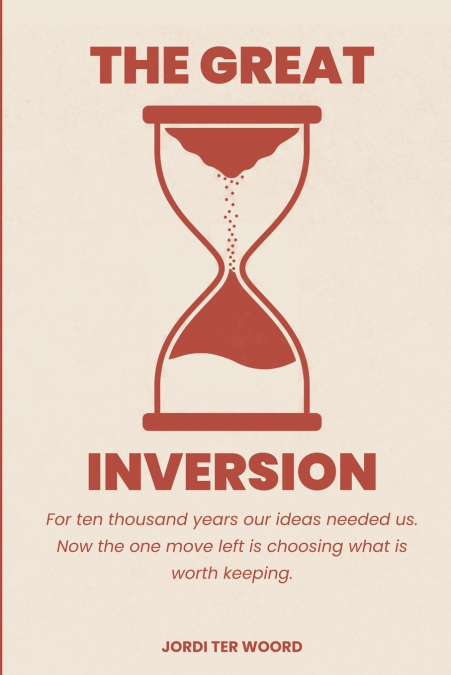

The Great Inversion

The Great Inversion

Jordi Ter Woord

15,91 €
IVA incluido
Consulta disponibilidad
Editorial:
Ter Woord
Año de edición:
2026
Materia
Ética y filosofía moral
ISBN:
9789083736808

Selecciona una librería:

  • Librería Samer Atenea

  • Kálamo Books
  • Librería Elías (Asturias)
  • Librería Kolima (Madrid)
  • Librería Proteo (Málaga)

At two in the morning, a father holds his three-week-old daughter and scrolls with his free hand. The feed slides across her sleeping face in shades of blue and white. She is the most unmemed human on the planet. By the time she is sixteen, she will have been measured a thousand times by a mirror that is always measuring back.For ten thousand years, the bargain of human culture was simple: making a thing cost a life, and looking at it was nearly free. A story had to be remembered. A book had to be copied. A belief had to pass through a body, a voice, a hand, a risk.That ratio has inverted.Today, generative machines can produce a sentence, an image, an argument, a song or a voice in milliseconds. Creation is cheap. The hour of human attention spent judging it is now the expensive side of the transaction.The Great Inversion traces the history of cultural replication from the prehistoric fire to the printing press, the feed and the generative model. It asks why some ideas survive, why the mirror of the internet feels so personal, and what changes when the replicator no longer needs a human host in the old way.This is not another book telling you to throw your phone into the sea. It is not a detox manual. It is a civilisational history that lands inside an ordinary life, and asks a harder question: what does a person still do when culture can make itself faster than people can choose?The answer is not exit. It is attention, at cost, as the one move the machine cannot make.For readers of Sapiens, Stolen Focus, The Shallows, Filterworld and The Anxious Generation.
Artículos relacionados

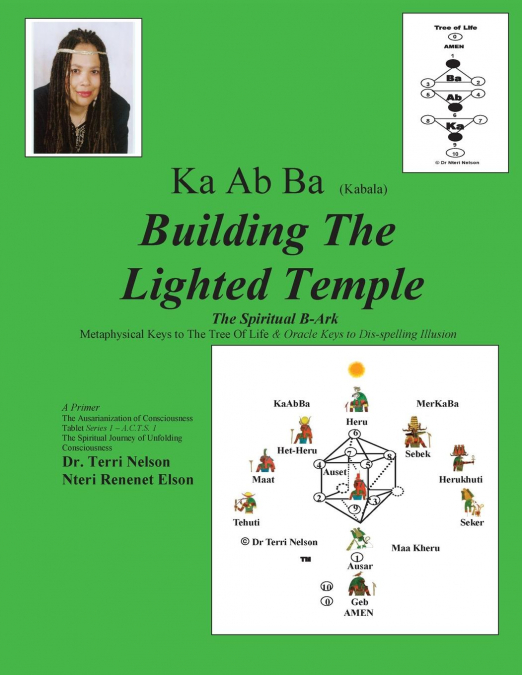
  • Ka Ab Ba Building The Lighted Temple
    Dr Terri R. Nelson / Dr Terri RNelson
    The book KaAbBa Building The Lighted Temple/Metaphysical Keys to the Tree of Life draws a circle that is inclusive of the Afrikan origin of the Ancient Kemetic/Egyptian wisdom. It reveals the undeniable root and link of Ancient Africa to all the religious systems that would develop worldwide. This book is explosive in its power to convey the meaning of KaAbBa, the Medu Neter  (...
    Disponible

    37,41 €

  • Technoethics and the Evolving Knowledge Society
    Rocci Luppicini
    Recently, there has been a major push to rediscover the ethical dimension of technology across the sciences, social sciences, and humanities. Technoethics and the Evolving Knowledge Society: Ethical Issues in Technological Design, Research, Development, and Innovation examines human processes and practices connected to technology embedded within social, political, and moral sph...
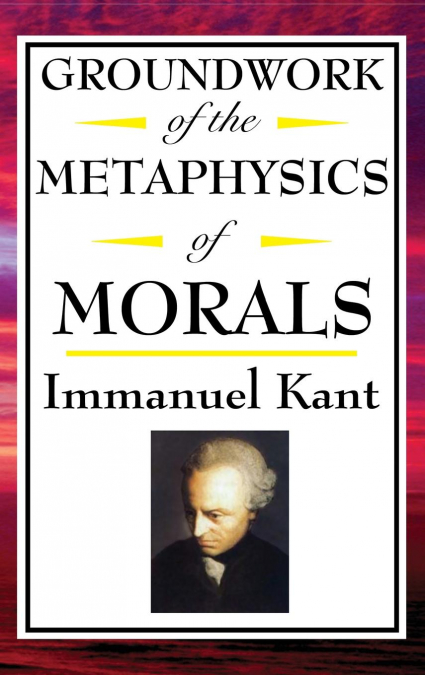
  • Kant
    Immanuel Kant
    Kant’s Groundwork of the Metaphysics of Morals is one of the most important works in modern moral philosophy. It belongs beside Plato, Aristotle, Machiavelli, and Hobbes. Here Kant sets out to articulate and defend the Categorical Imperative - the fundamental principle that underlies moral reasoning - and to lay the foundation for a comprehensive account of justice and human vi...
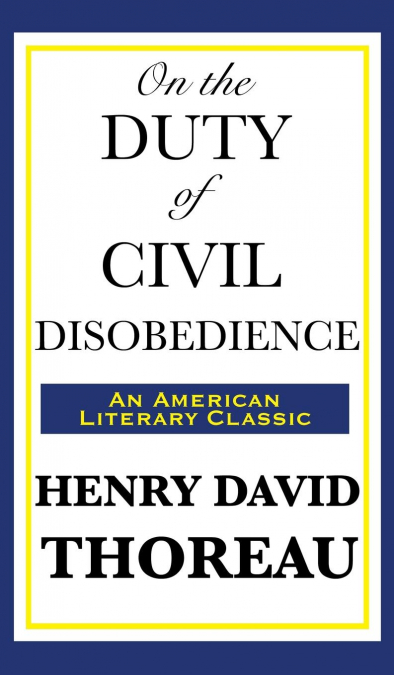
  • On the Duty of Civil Disobedience
    HENRY DAVID THOREAU
    Civil Disobedience argues that citizens should not permit their governments to overrule their consciences, and that they have a duty to avoid allowing their acquiescence to enable the government to make them the agents of injustice. Thoreau was motivated in part by his disgust with slavery and the Mexican-American War, but the sentiments he expresses here are just as pertinent ...
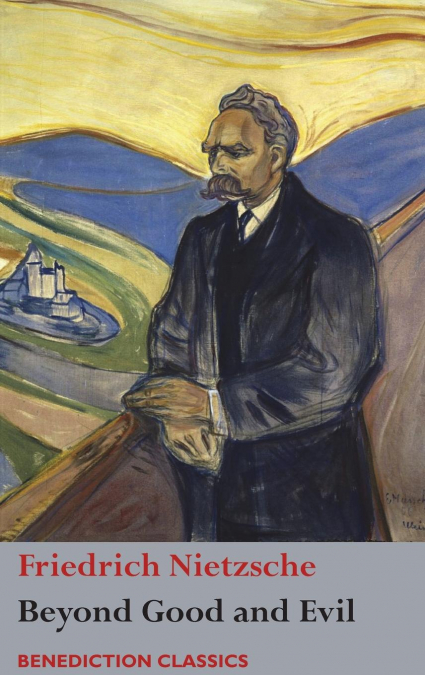
  • Beyond Good and Evil
    Friedrich Nietzsche
    Nietzsche, though primarily a philosopher, wrote widely on art, philology, history, religion, tragedy, culture, and science.  In 1886, at the height of his powers, he published Beyond Good and Evil.  Here he examines much of the best of human thought--dogmatic philosophy, Judeo-Christian morality, science and democracy – and finds it lacking.  Rejecting “slave-morality” he pres...
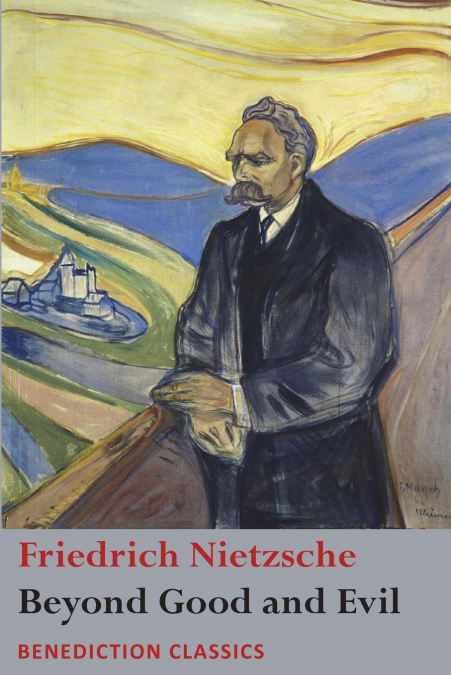
  • Beyond Good and Evil
    Friedrich Nietzsche
    Nietzsche, though primarily a philosopher, wrote widely on art, philology, history, religion, tragedy, culture, and science.  In 1886, at the height of his powers, he published Beyond Good and Evil.  Here he examines much of the best of human thought--dogmatic philosophy, Judeo-Christian morality, science and democracy – and finds it lacking.  Rejecting “slave-morality” he pres...
    Disponible

    9,99 €