 Librería Samer Atenea
 Kálamo Books
 Librería Elías (Asturias)
 Librería Kolima (Madrid)
 Librería Proteo (Málaga)
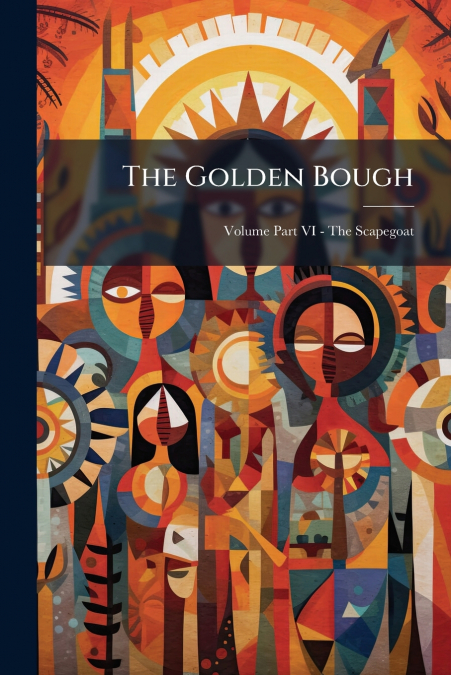
'The Golden Bough: A Study in Magic and Religion' is Sir James George Frazer’s monumental work exploring the origins of myth and religion. This volume, 'Part VI - The Scapegoat', delves into ancient customs and beliefs surrounding sacrifice, purification, and the role of the scapegoat in various cultures. Frazer meticulously compares rituals and myths from around the world, seeking to uncover the common threads that connect human spiritual experience. Drawing on extensive research and anthropological insights, Frazer examines the symbolic and practical functions of the scapegoat figure, from its roots in primitive societies to its echoes in more modern religious practices. This edition, the third, remains a cornerstone of anthropological and religious studies, offering a rich tapestry of comparative analysis and historical context. 'The Golden Bough' continues to captivate readers with its exploration of the human quest for meaning and understanding in the face of the unknown.This work has been selected by scholars as being culturally important, and is part of the knowledge base of civilization as we know it. This work was reproduced from the original artifact, and remains as true to the original work as possible. Therefore, you will see the original copyright references, library stamps (as most of these works have been housed in our most important libraries around the world), and other notations in the work.This work is in the public domain in the United States of America, and possibly other nations. Within the United States, you may freely copy and distribute this work, as no entity (individual or corporate) has a copyright on the body of the work.As a reproduction of a historical artifact, this work may contain missing or blurred pages, poor pictures, errant marks, etc. Scholars believe, and we concur, that this work is important enough to be preserved, reproduced, and made generally available to the public. We appreciate your support of the preservation process, and thank you for being an important part of keeping this knowledge alive and relevant.