 Librería Samer Atenea
 Kálamo Books
 Librería Elías (Asturias)
 Librería Kolima (Madrid)
 Librería Proteo (Málaga)
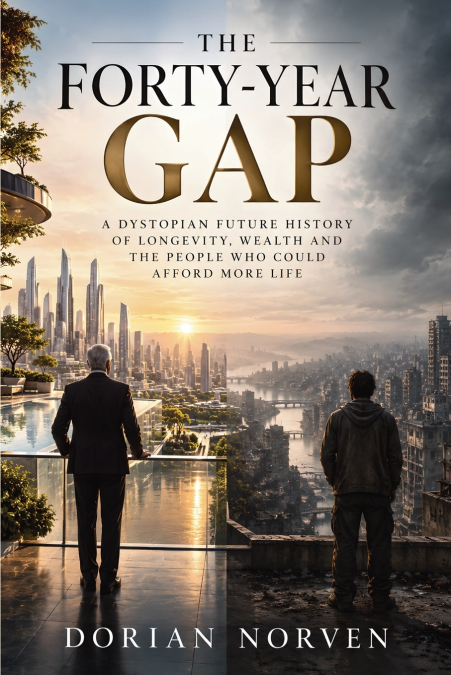
Humanity never defeated death. It simply learned how to postpone ageing and discovered that not everyone could afford the delay. As breakthroughs in regenerative medicine, genetic intervention and biological monitoring begin adding years of healthy life, the first results appear overwhelmingly positive. Disease arrives later. People remain productive longer. Families gain precious additional time together. But the treatments work best when started early, maintained continuously and combined with every advance that follows. Those who can afford to stay inside the system gain more than better healthcare. They gain longer careers, decades of additional investment, delayed inheritance, extended political influence and the chance to benefit from medical discoveries that arrive long after others have fallen behind. Gradually, wealth begins purchasing time-and time begins creating more wealth. Eventually, the difference in healthy adult life between the best-treated citizens and everyone else approaches forty years. Told as a history of a future that never happened, The Forty-Year Gap traces how a medical revolution intended to reduce suffering could transform lifespan itself into one of society’s most valuable and unequal assets. No dictatorship planned it. No single corporation created it. Each decision seemed reasonable at the time. And that was how tomorrow broke. Disclaimer This is a work of speculative fiction. Future events, laws, institutions, companies, technologies, programmes, statistics and persons depicted in the narrative are fictional or used imaginatively for storytelling purposes. References to real scientific concepts, technologies or institutions are included solely to provide plausible background and do not imply endorsement, prediction or involvement in the fictional events described. Any resemblance between fictional persons or organisations and actual persons or organisations is coincidental. All trademarks and registered trademarks mentioned, if any, remain the property of their respective owners.