 Librería Samer Atenea
 Kálamo Books
 Librería Elías (Asturias)
 Librería Kolima (Madrid)
 Librería Proteo (Málaga)
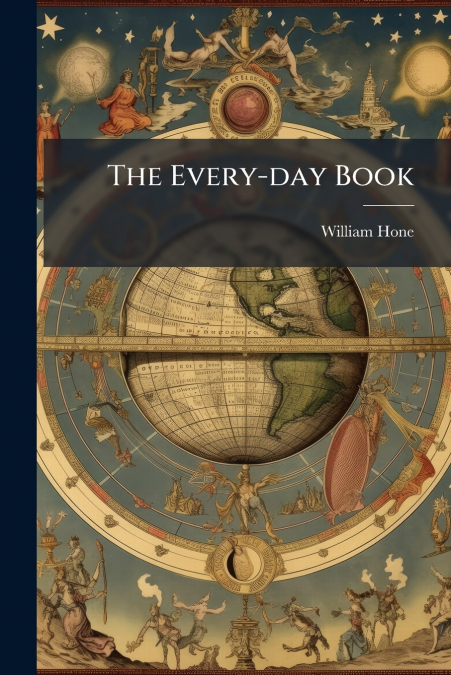
Originally published in 1826, William Hone’s 'The Every-day Book; Or, Everlasting Calendar Of Popular Amusements' is a fascinating compendium of social history, folklore, and popular culture. Serving as an almanac of sorts, the book chronicles the traditions, notable events, and quirky customs associated with each day of the year. From religious festivals and historical anniversaries to local celebrations and curious anecdotes, Hone meticulously compiles a rich tapestry of English life in the early 19th century. Readers will discover a treasure trove of information on everything from May Day festivities and Guy Fawkes Night to saints’ days and forgotten historical figures. More than just a calendar, 'The Every-day Book' provides a window into the beliefs, practices, and entertainments of a bygone era, making it an invaluable resource for historians, folklorists, and anyone interested in the social fabric of the past. Hone’s work offers a unique perspective on the rhythms of daily life and the enduring power of tradition.This work has been selected by scholars as being culturally important, and is part of the knowledge base of civilization as we know it. This work was reproduced from the original artifact, and remains as true to the original work as possible. Therefore, you will see the original copyright references, library stamps (as most of these works have been housed in our most important libraries around the world), and other notations in the work.This work is in the public domain in the United States of America, and possibly other nations. Within the United States, you may freely copy and distribute this work, as no entity (individual or corporate) has a copyright on the body of the work.As a reproduction of a historical artifact, this work may contain missing or blurred pages, poor pictures, errant marks, etc. Scholars believe, and we concur, that this work is important enough to be preserved, reproduced, and made generally available to the public. We appreciate your support of the preservation process, and thank you for being an important part of keeping this knowledge alive and relevant.