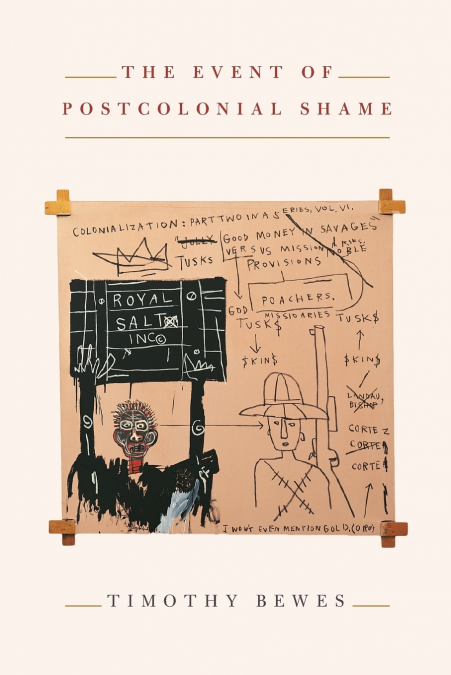

The Event of Postcolonial Shame

The Event of Postcolonial Shame

Timothy Bewes

68,26 €
IVA incluido
Disponible
Editorial:
Princeton University Press
Año de edición:
2010
Materia
Teoría literaria
ISBN:
9780691141664
68,26 €
IVA incluido
Disponible

Selecciona una librería:

  • Librería Samer Atenea
  • Librería Aciertas (Toledo)
  • Kálamo Books
  • Librería Perelló (Valencia)
  • Librería Elías (Asturias)
  • Donde los libros
  • Librería Kolima (Madrid)
  • Librería Proteo (Málaga)

In a postcolonial world, where structures of power, hierarchy, and domination operate on a global scale, writers face an ethical and aesthetic dilemma: How to write without contributing to the inscription of inequality? How to process the colonial past without reverting to a pathology of self-disgust? Can literature ever be free of the shame of the postcolonial epoch--ever be truly postcolonial? As disparities of power seem only to be increasing, such questions are more urgent than ever. In this book, Timothy Bewes argues that shame is a dominant temperament in twentieth-century literature, and the key to understanding the ethics and aesthetics of the contemporary world. Drawing on thinkers such as Jean-Paul Sartre, Frantz Fanon, Theodor Adorno, and Gilles Deleuze, Bewes argues that in literature there is an 'event' of shame that brings together these ethical and aesthetic tensions. Reading works by J. M. Coetzee, Joseph Conrad, Nadine Gordimer, V. S. Naipaul, Caryl Phillips, Ngugi wa Thiong’o, and Zoë Wicomb, Bewes presents a startling theory: the practices of postcolonial literature depend upon and repeat the same structures of thought and perception that made colonialism possible in the first place. As long as those structures remain in place, literature and critical thinking will remain steeped in shame. Offering a new mode of postcolonial reading, The Event of Postcolonial Shame demands a literature and a criticism that acknowledge their own ethical deficiency without seeking absolution from it.
Artículos relacionados

  • Critical theory and dystopia
    Patricia McManus
    Critical theory and dystopia offers a uniquely rich study of dystopian fiction, drawing on the insights of critical theory. Asking what ideological work these dark imaginings perform, the book reconstructs the historical emergence, consolidation and transformation of the genre across the twentieth century and into our own, ranging from Yevgeny Zamyatin’s We (1924) and Aldous Hu...
    Disponible

    35,86 €

  • Pen of Iron
    Robert Alter
    How the King James Bible has influenced the style of the American novel from Melville to Cormac McCarthyThe simple yet grand language of the King James Bible has pervaded American culture from the beginning-and its powerful eloquence continues to be felt even today. In this book, acclaimed biblical translator and literary critic Robert Alter traces some of the fascinating ways ...
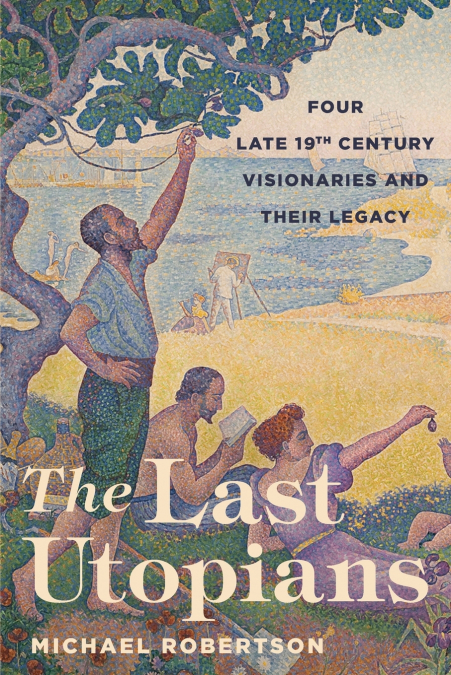
  • The Last Utopians
    Michael Robertson
    The entertaining story of four utopian writers-Edward Bellamy, William Morris, Edward Carpenter, and Charlotte Perkins Gilman-and their continuing influence todayIn this lively literary history, Michael Robertson introduces readers to a vital strain of utopianism that seized the imaginations of four American and British writers during an extraordinary period of literary and soc...
    Disponible

    30,46 €

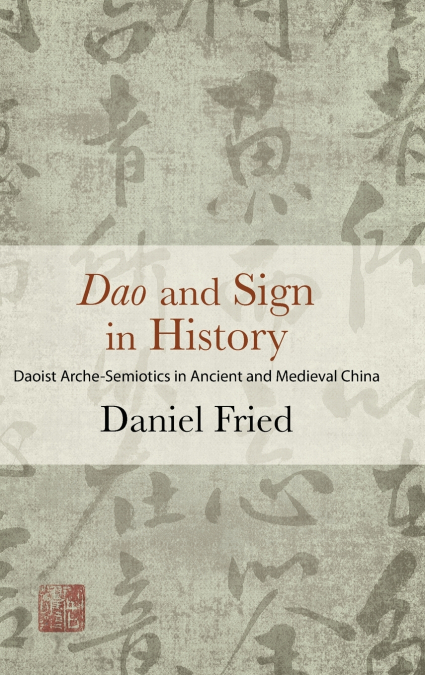
  • Dao and Sign in History
    Daniel Fried
    Provides a new perspective on important linguistic issues in philosophical and religious Daoism through the comparative lens of twentieth-century European philosophies of language.From its earliest origins in the Dao De Jing, Daoism has been known as a movement that is skeptical of the ability of language to fully express the truth. While many scholars have compared the earlies...
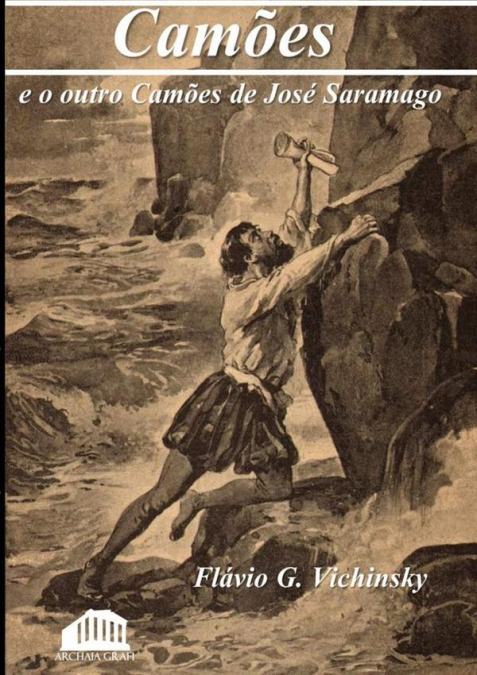
  • Camões E O Outro Camões De José Saramago
    Flávio G Vichinsky
    A consolidação da figura de Camões como elemento dos mais relevantes na cultura portuguesa é consenso entre os historiadores, literatos e demais estudiosos do processo de formação histórica e social desse país. A obra do poeta e a sua biografia, bem como a mitologia que as envolvem, transformaram-no em um dos maiores e mais conhecidos símbolos de Portugal, o que o coloca muitas...
    Disponible

    8,84 €

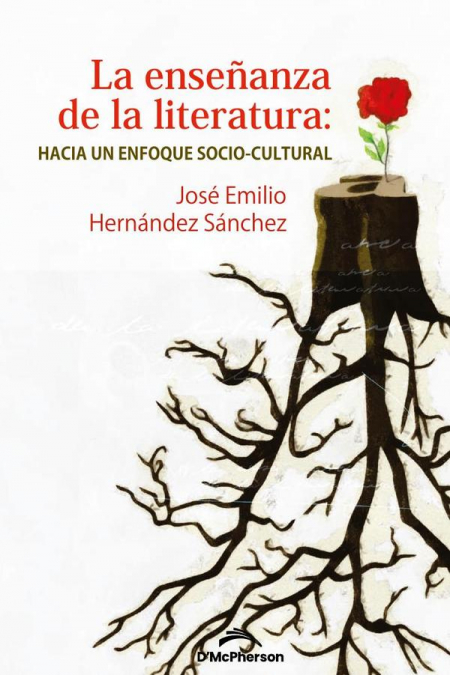
  • La enseñanza de la literatura
    José Emilio Hernández Sánchez
    El libro se centra en la enseñanza de la literatura. Consta de varios capítulos: El primero se dedica a ubicar el texto literario dentro del marco de la cultura. Se ofrecen diversas indicaciones didácticas para el estudio del texto literario desde el enfoque histórico-cultural de Lov Vigostky o constructivismo social. Igualmente se incluye un capítulo dedicado al sistema concep...