The Ethics of Nonviolence

The Ethics of Nonviolence

Stephanie M. Walls

245,64 €
IVA incluido
Consulta disponibilidad
Editorial:
Bloomsbury Publishing plc
Año de edición:
2013
Materia
Ética y filosofía moral
ISBN:
9781623566425

Selecciona una librería:

  • Librería Samer Atenea
  • Librería Aciertas (Toledo)
  • Kálamo Books
  • Librería Perelló (Valencia)
  • Librería Elías (Asturias)
  • Donde los libros
  • Librería Kolima (Madrid)
  • Librería Proteo (Málaga)

Robert Holmes is one of the leading proponents of nonviolence in the United States, and his influence extends to the rest of the world. However, he has never presented his views on nonviolence in full-length book form. The Ethics of Nonviolence brings together his best essays on the topic, both classic works and more obscure pieces, as well as several important essays that have never been published. Holmes started his career by following Dewey and James, and then turned toward metaethics. The Vietnam War finally led him toward moral problems related to war and violence. For the last forty years he has been a great proponent of nonviolence and pacifism in the style of Tolstoy and Gandhi. If ethics is meant to be more than a purely academic exercise, the theoretical ethics of philosophy must be shown to be relevant to applied morality; the ongoing process of making moral judgments must add value to the world we live in. For Robert Holmes, no aspect of reality is more in need of ethical thinking and reform than the culture of war and violence that cannot be ignored. There are morally viable alternatives to this violence, Holmes argues, and he scrutinizes the sources and implications of such positions. Holmes shows that nonviolence and pacifism can lead us toward a more peaceful and humanely dignified world.


Artículos relacionados

  • Ka Ab Ba Building The Lighted Temple
    Dr Terri R. Nelson / Dr Terri RNelson
    The book KaAbBa Building The Lighted Temple/Metaphysical Keys to the Tree of Life draws a circle that is inclusive of the Afrikan origin of the Ancient Kemetic/Egyptian wisdom. It reveals the undeniable root and link of Ancient Africa to all the religious systems that would develop worldwide. This book is explosive in its power to convey the meaning of KaAbBa, the Medu Neter  (...
    Disponible

    37,41 €

  • Technoethics and the Evolving Knowledge Society
    Rocci Luppicini
    Recently, there has been a major push to rediscover the ethical dimension of technology across the sciences, social sciences, and humanities. Technoethics and the Evolving Knowledge Society: Ethical Issues in Technological Design, Research, Development, and Innovation examines human processes and practices connected to technology embedded within social, political, and moral sph...
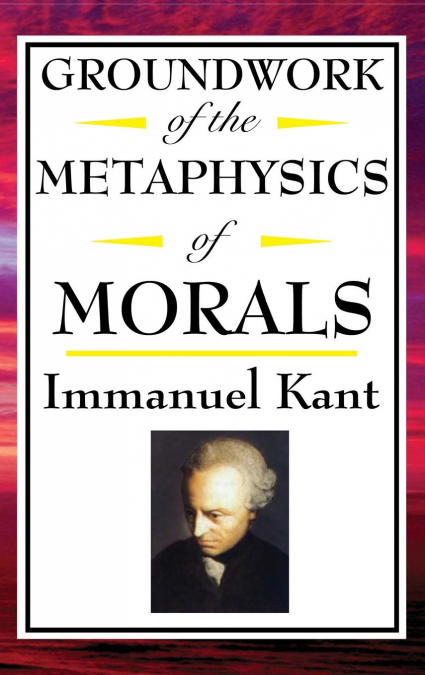
  • Kant
    Immanuel Kant
    Kant’s Groundwork of the Metaphysics of Morals is one of the most important works in modern moral philosophy. It belongs beside Plato, Aristotle, Machiavelli, and Hobbes. Here Kant sets out to articulate and defend the Categorical Imperative - the fundamental principle that underlies moral reasoning - and to lay the foundation for a comprehensive account of justice and human vi...
  • On the Duty of Civil Disobedience
    HENRY DAVID THOREAU
    Civil Disobedience argues that citizens should not permit their governments to overrule their consciences, and that they have a duty to avoid allowing their acquiescence to enable the government to make them the agents of injustice. Thoreau was motivated in part by his disgust with slavery and the Mexican-American War, but the sentiments he expresses here are just as pertinent ...
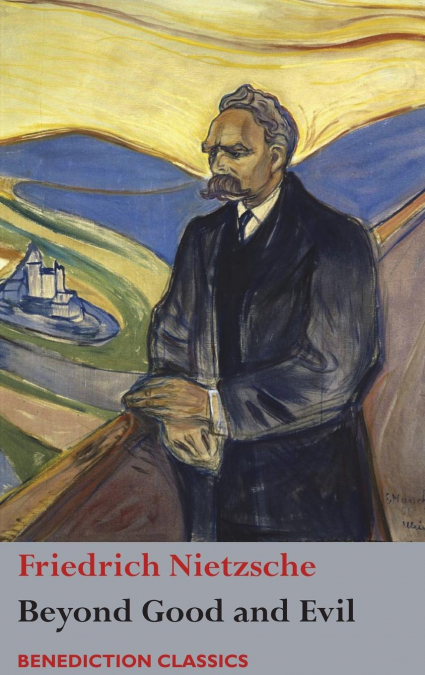
  • Beyond Good and Evil
    Friedrich Nietzsche
    Nietzsche, though primarily a philosopher, wrote widely on art, philology, history, religion, tragedy, culture, and science.  In 1886, at the height of his powers, he published Beyond Good and Evil.  Here he examines much of the best of human thought--dogmatic philosophy, Judeo-Christian morality, science and democracy – and finds it lacking.  Rejecting “slave-morality” he pres...
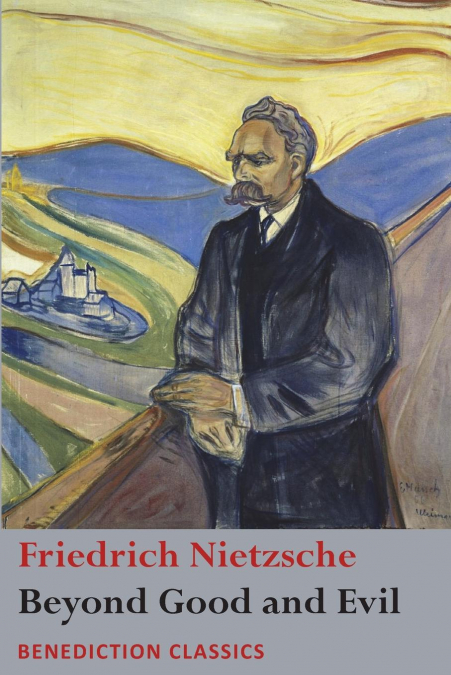
  • Beyond Good and Evil
    Friedrich Nietzsche
    Nietzsche, though primarily a philosopher, wrote widely on art, philology, history, religion, tragedy, culture, and science.  In 1886, at the height of his powers, he published Beyond Good and Evil.  Here he examines much of the best of human thought--dogmatic philosophy, Judeo-Christian morality, science and democracy – and finds it lacking.  Rejecting “slave-morality” he pres...
    Disponible

    9,99 €

Otros libros del autor

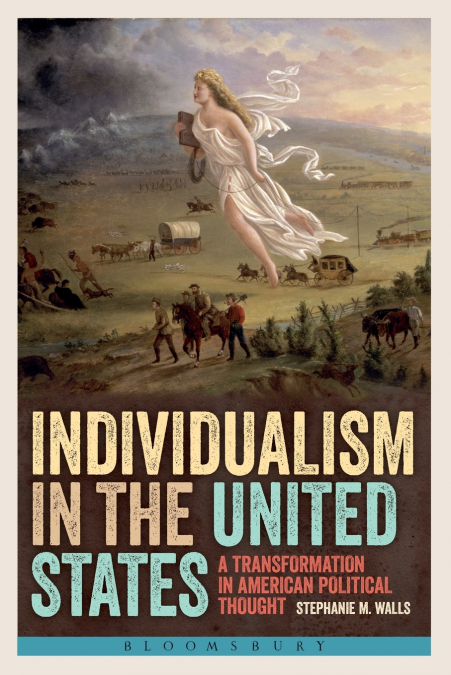
  • Individualism in the United States
    Stephanie M. Walls
    Of the many ideas that inspired and shaped the American Founding Fathers’ thought, individualism and a commitment to individual rights were primary among them. The American emphasis on the individual in politics and society and the protection he receives in the US Constitution established the United States as an ideological trailblazer in this regard. However the individualism ...
    Disponible

    51,24 €