

 Librería Samer Atenea
 Kálamo Books
 Librería Elías (Asturias)
 Librería Kolima (Madrid)
 Librería Proteo (Málaga)
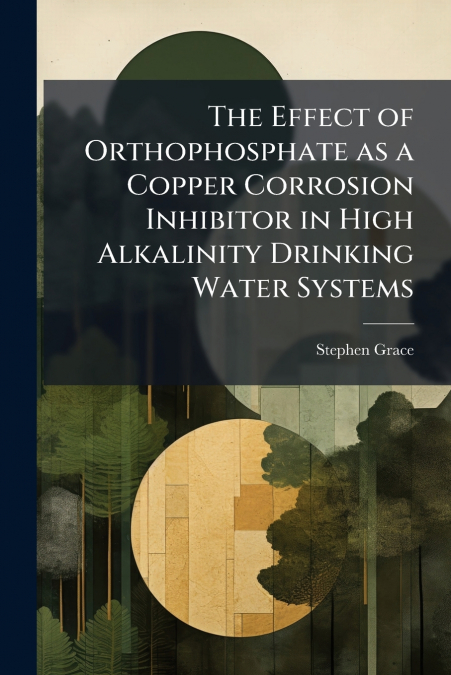
The purpose of this research was to investigate orthophosphate as a corrosion inhibitor for copper pipe in a high-alkalinity drinking water system. Specifically, this thesis sought to answer three research questions regarding the impact of orthophosphate treatment, the nature of the mechanism by which orthophosphate controls copper corrosion, and the value of equilibrium modeling in predicting orthophosphate’s effects. The research questions were answered through a comprehensive literature review and experimental methodology integrating laboratory jar tests, water sampling and analysis from a field investigation, qualitative solids analysis, and equilibrium model application. This study analyzed field data obtained over the course of a year from a high alkalinity water system into which orthophosphate was added to control copper concentrations. This field research generally supports results previously reported in the literature: in high alkalinity, neutral pH water, a dosage of 3 - 4 mg/L orthophosphate can reduce copper levels in a drinking water system from over 2 mg/L to below the 1.3 mg/L USEPA action level. While surface solid analysis did not provide conclusive evidence confirming the nature of orthophosphate’s control mechanisms, jar tests and equilibrium solubility models were demonstrated to provide useful quantitative predictions of how orthophosphate reduces copper concentrations in various waters.This work has been selected by scholars as being culturally important, and is part of the knowledge base of civilization as we know it. This work was reproduced from the original artifact, and remains as true to the original work as possible. Therefore, you will see the original copyright references, library stamps (as most of these works have been housed in our most important libraries around the world), and other notations in the work.This work is in the public domain in the United States of America, and possibly other nations. Within the United States, you may freely copy and distribute this work, as no entity (individual or corporate) has a copyright on the body of the work.As a reproduction of a historical artifact, this work may contain missing or blurred pages, poor pictures, errant marks, etc. Scholars believe, and we concur, that this work is important enough to be preserved, reproduced, and made generally available to the public. We appreciate your support of the preservation process, and thank you for being an important part of keeping this knowledge alive and relevant.






