 Librería Samer Atenea
 Kálamo Books
 Librería Elías (Asturias)
 Librería Kolima (Madrid)
 Librería Proteo (Málaga)
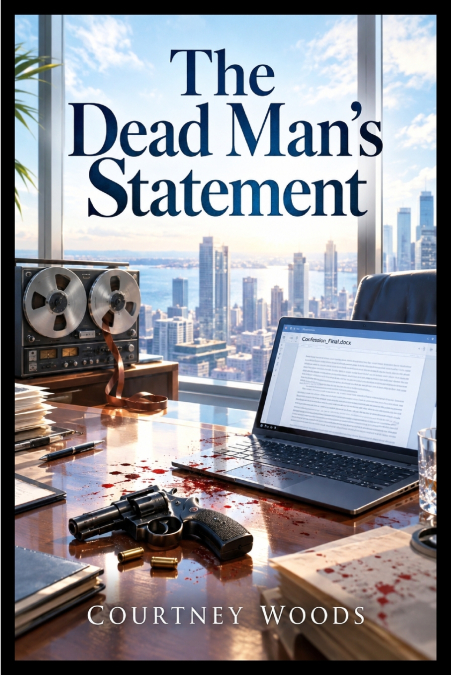
When Detective Shinji Hale enters Suite 41B at Monolith Towers, investigative reporter Julius Voss is dead beside a revolver and a computer displaying a meticulously typed confession. The document claims responsibility for several notorious unsolved murders and contains a detail from a classified ballistics report. Yet it also describes a murder weapon incorrectly, contradicting evidence Shinji personally remembers. The confession is both too informed and too wrong to be genuine. Someone has built a paradox designed to close cases before anyone can challenge the official story.Shinji secretly clones the workstation before Commander Tenya and the department can seize it. His investigation draws him into a web of altered records, missing recordings, sealed evidence, and institutional pressure. Inspector Beatrice Brandt, his mentor, knows more than she admits, while Nico and other allies help trace the digital and physical trail beneath the city’s polished public face. The name attached to the confession leads toward Renji Vance, but the evidence suggests that authorship, guilt, and authority have been deliberately separated.As Shinji follows the trail through precinct offices, morgue corridors, maintenance tunnels, and hidden server systems, the case becomes a battle over who gets to write the city’s history. Every official shortcut threatens to turn a dead journalist into a convenient scapegoat and bury the real chain of responsibility. To expose the scheme, Shinji must preserve evidence outside the system that corrupted it, confront the people who shaped his career, and force the institution to face a truth it has engineered itself to avoid.The Dead Man’s Statement is a noir conspiracy thriller about manufactured confessions, compromised justice, and the difference between a record and the truth. Its central mystery is not simply who killed Julius Voss, but who wrote the story that his death was meant to make everyone believe. The novel’s clues move between physical traces and digital records, asking Shinji to preserve proof without allowing the compromised chain of custody to swallow it. Personal loyalty becomes another source of uncertainty as he learns that a trusted mentor may have helped shape the deception. The final confrontation forces the people behind the manufactured narrative to answer for the difference between evidence, confession, and truth.