 Librería Samer Atenea
 Kálamo Books
 Librería Elías (Asturias)
 Librería Kolima (Madrid)
 Librería Proteo (Málaga)
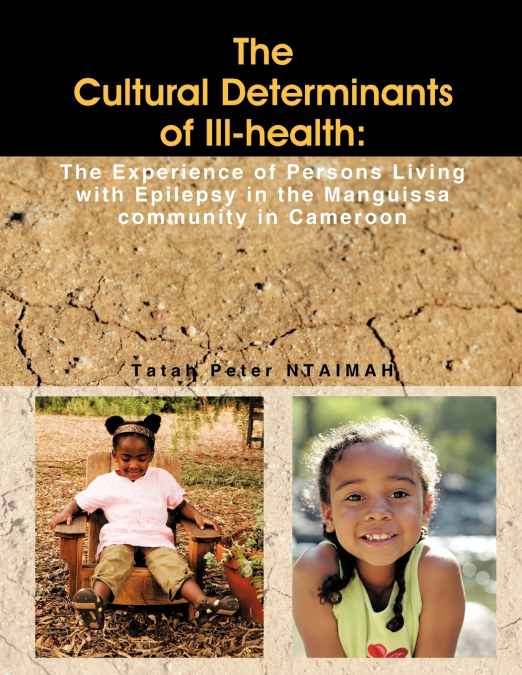
This exploratory study aimed at assessing the cultural determinants of the weight of health problems in Cameroon with focus on the experience of person living with epilepsy in the Manguissa community. It also took into consideration socio-economic and environmental factors that surround patients. It is based on paucity of data on the social aspects in disease burden assessment. Example is the use of the Disability Adjusted Life Years (DALY) over the years in the measurement of disease burden. The DALY is only adjusted for age, sex, and time of onset of disease and does not account for specific social, cultural and environmental aspects in the spaces where diseases occur. Meanwhile health status is undoubtedly a social construct than a mere biological definition. In order to assess the social aspects of epilepsy in the Manguissa community, an exploratory approach was adopted. Both qualitative and quantitative methods were used in the collection, analysis and interpretation of data. Qualitative data collection relied heavily on observations, in-depth interviews, and photo voice methods, while quantitative data collection relied on SF12 Scale, ComQol and semi-structured questionnaire. The use of multiple methods permitted the triangulation of data to grasps all the aspects of the study. It was found that culture influences the perception and attitudes towards people living with epilepsy in the Manguissa community. Therapy which is mostly sought among traditional healers and spiritual specialists, social stigmatisation of patients and physical avoidance are consequences of cultural perception of the disease. The experience of the weight of epilepsy is influenced by gender. Females living with epilepsy are given better treatment within the family and community circles than their male counterparts. This is because females are to a certain extent perceived to have many other things to offer (sex and reproduction). Males living with epilepsy have greater control over the disease than their female counterparts. This is because they are allowed to fend for themselves and they develop control over their disease as a coping strategy. Generally, people living with epilepsy suffer from many other health complications which further lead to low quality of life. Health complications like; loss of consciousness, dizziness, headache, body pains and sight problems further compound social stigma and lead to low self-esteem. Epilepsy weakens patients’ socio-economic activities. Activities like fishing, driving, sand digging, 'eru' harvesting and the harvesting of fruits are completely stopped. Farming is reduced to small surfaces within the built up area. Apart from the economic hardship and dependence which are the products of the disease, being diagnosed to have epilepsy in the Manguissa community means attaining the status of a mad person. Patients are forced to think they are different from others. This leads to depression which further creates a rift between them and the whole community. The perception of the disease among the Manguissas as contaminating is a pointer to the fact that many people across ethnic boundaries do not understand the true nature of epilepsy. Conclusively, the true nature of any health problem does not only rely on the biological assessment of pain and the number of active years lost as these are insufficient to account for what people suffer from. Stigma and its associated ills: isolation, depression, low self esteem and low quality of life weigh much not only patients but equally on close family members (the significant others).