Inicio > Humanidades > Filosofía > Ética y filosofía moral > The Critique Of Practical Reason
The Critique Of Practical Reason

The Critique Of Practical Reason

The Critique Of Practical Reason

Immanuel Kant

27,97 €
IVA incluido
Disponible
Editorial:
Kessinger Publishing
Año de edición:
2004
Materia
Ética y filosofía moral
ISBN:
9781419158155
27,97 €
IVA incluido
Disponible

Selecciona una librería:

  • Librería Samer Atenea

  • Kálamo Books
  • Librería Elías (Asturias)
  • Librería Kolima (Madrid)
  • Librería Proteo (Málaga)

The Critique of Practical Reason is a philosophical work by Immanuel Kant that explores the nature of practical reason and moral philosophy. The book is divided into two main parts, the Analytic and the Dialectic. In the Analytic, Kant examines the concept of the moral law and argues that it is a necessary feature of practical reason. He also discusses the idea of the categorical imperative, which is a universal moral principle that applies to all rational beings. In the Dialectic, Kant considers objections to his theory and defends his position against alternative views. Throughout the book, Kant emphasizes the importance of reason and rationality in moral decision-making. He argues that moral actions must be motivated by the moral law, rather than by personal desires or interests. He also maintains that moral actions are not only good in themselves, but also lead to happiness and fulfillment. The Critique of Practical Reason is considered one of Kant’s most important works, and it has had a profound influence on moral philosophy and ethics. It is a challenging and complex book that requires careful reading and reflection, but it offers valuable insights into the nature of morality and the role of reason in ethical decision-making.To be an object of practical knowledge, as such, signifies, therefore, only the relation of the will to the action by which the object or its opposite would be realized; and to decide whether something is an object of pure practical reason or not is only to discern the possibility or impossibility of willing the action by which, if we had the required power (about which experience must decide), a certain object would be realized.This scarce antiquarian book is a facsimile reprint of the old original and may contain some imperfections such as library marks and notations. Because we believe this work is culturally important, we have made it available as part of our commitment for protecting, preserving, and promoting the world’s literature in affordable, high quality, modern editions, that are true to their original work.

Artículos relacionados

  • Ka Ab Ba Building The Lighted Temple
    Dr Terri R. Nelson / Dr Terri RNelson
    The book KaAbBa Building The Lighted Temple/Metaphysical Keys to the Tree of Life draws a circle that is inclusive of the Afrikan origin of the Ancient Kemetic/Egyptian wisdom. It reveals the undeniable root and link of Ancient Africa to all the religious systems that would develop worldwide. This book is explosive in its power to convey the meaning of KaAbBa, the Medu Neter  (...
    Disponible

    37,41 €

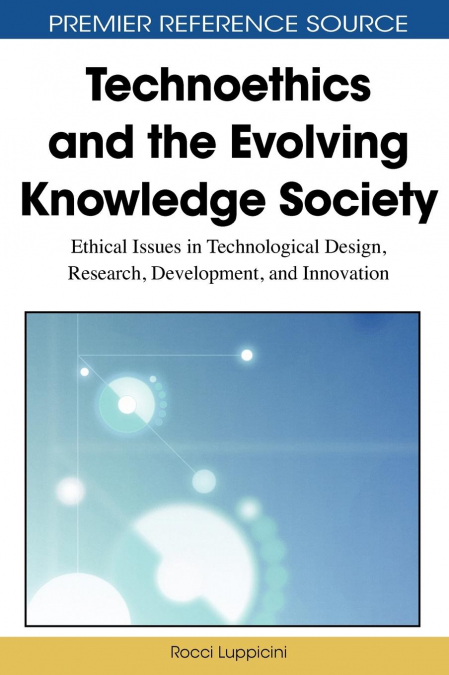
  • Technoethics and the Evolving Knowledge Society
    Rocci Luppicini
    Recently, there has been a major push to rediscover the ethical dimension of technology across the sciences, social sciences, and humanities. Technoethics and the Evolving Knowledge Society: Ethical Issues in Technological Design, Research, Development, and Innovation examines human processes and practices connected to technology embedded within social, political, and moral sph...
  • Kant
    Immanuel Kant
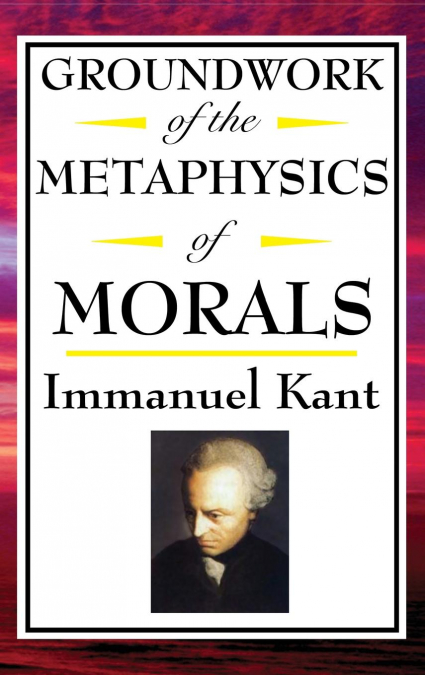
    Kant’s Groundwork of the Metaphysics of Morals is one of the most important works in modern moral philosophy. It belongs beside Plato, Aristotle, Machiavelli, and Hobbes. Here Kant sets out to articulate and defend the Categorical Imperative - the fundamental principle that underlies moral reasoning - and to lay the foundation for a comprehensive account of justice and human vi...
  • On the Duty of Civil Disobedience
    HENRY DAVID THOREAU
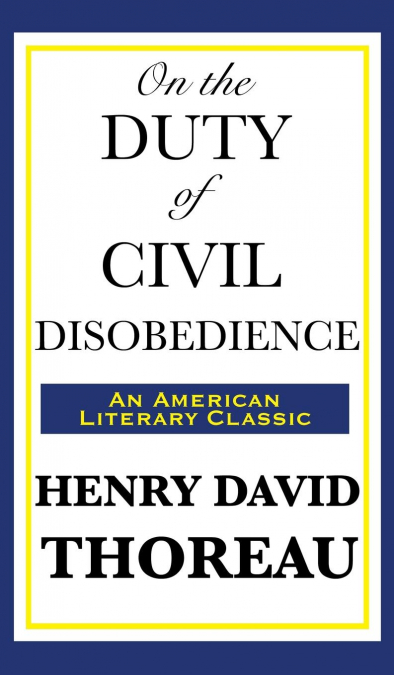
    Civil Disobedience argues that citizens should not permit their governments to overrule their consciences, and that they have a duty to avoid allowing their acquiescence to enable the government to make them the agents of injustice. Thoreau was motivated in part by his disgust with slavery and the Mexican-American War, but the sentiments he expresses here are just as pertinent ...
  • Beyond Good and Evil
    Friedrich Nietzsche
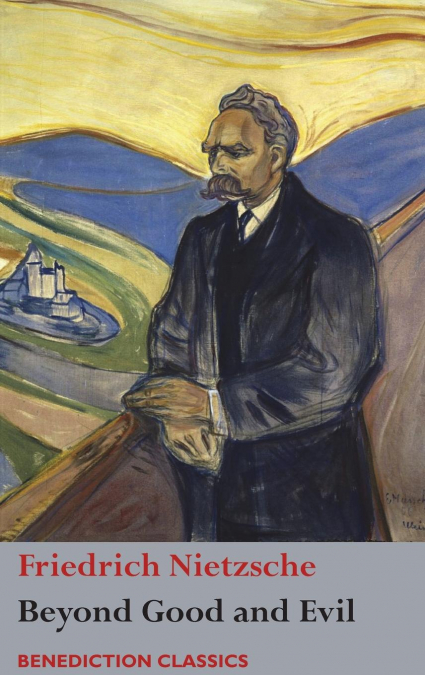
    Nietzsche, though primarily a philosopher, wrote widely on art, philology, history, religion, tragedy, culture, and science.  In 1886, at the height of his powers, he published Beyond Good and Evil.  Here he examines much of the best of human thought--dogmatic philosophy, Judeo-Christian morality, science and democracy – and finds it lacking.  Rejecting “slave-morality” he pres...
  • Beyond Good and Evil
    Friedrich Nietzsche
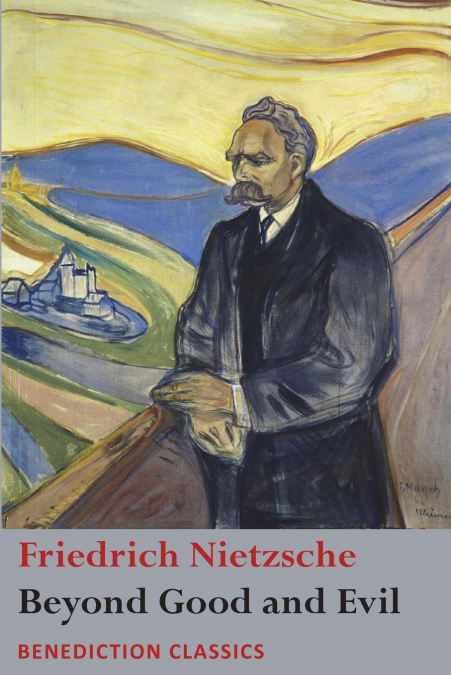
    Nietzsche, though primarily a philosopher, wrote widely on art, philology, history, religion, tragedy, culture, and science.  In 1886, at the height of his powers, he published Beyond Good and Evil.  Here he examines much of the best of human thought--dogmatic philosophy, Judeo-Christian morality, science and democracy – and finds it lacking.  Rejecting “slave-morality” he pres...
    Disponible

    9,99 €

Otros libros del autor

  • Kant
    Immanuel Kant
    Kant’s Groundwork of the Metaphysics of Morals is one of the most important works in modern moral philosophy. It belongs beside Plato, Aristotle, Machiavelli, and Hobbes. Here Kant sets out to articulate and defend the Categorical Imperative - the fundamental principle that underlies moral reasoning - and to lay the foundation for a comprehensive account of justice and human vi...
  • Critique of Pure Reason
    Immanuel Kant
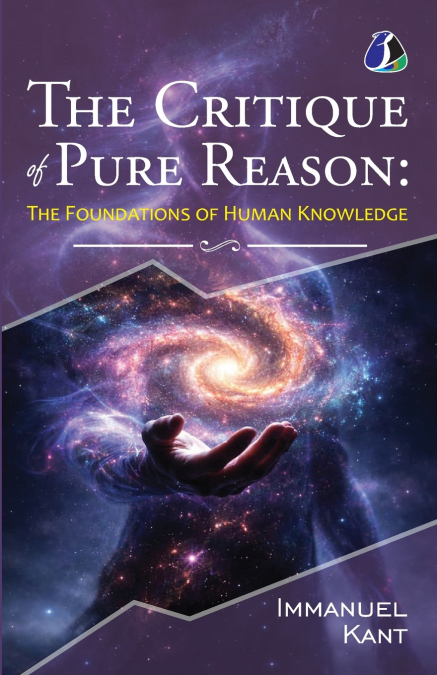
    'Critique of Pure Reason' by Immanuel Kant is a foundational work of philosophy that radically redefines how we understand knowledge, reality, and the limits of human reason.First published in 1781, Kant investigates how our minds shape experiences, introducing the concept that space and time are not properties of the external world, but forms of human intuition. He distinguish...
    Disponible

    30,43 €

  • Critique of Judgement
    Immanuel Kant
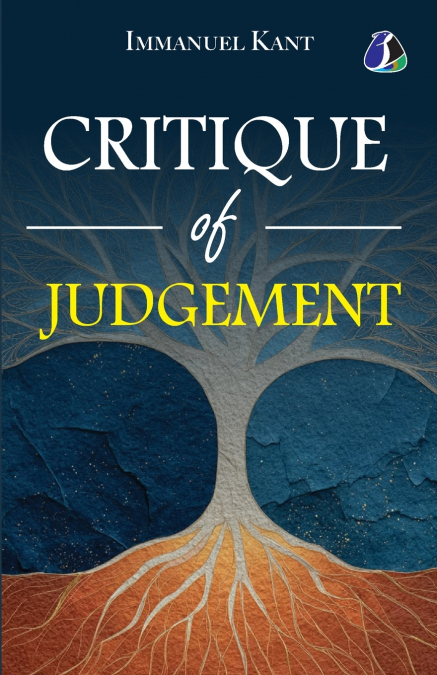
    Immanuel Kant’s influential philosophical treatise Critique of Judgement, originally published in 1790, constituting Kant’s major contributions to the fields of aesthetics and teleology. Critique of Judgement is the third of Kant’s critiques and is divided into two main sections: the Critique of Aesthetic Judgment and the Critique of Teleological Judgment, and also includes a l...
    Disponible

    23,02 €

  • Three Critiques
    Immanuel Kant
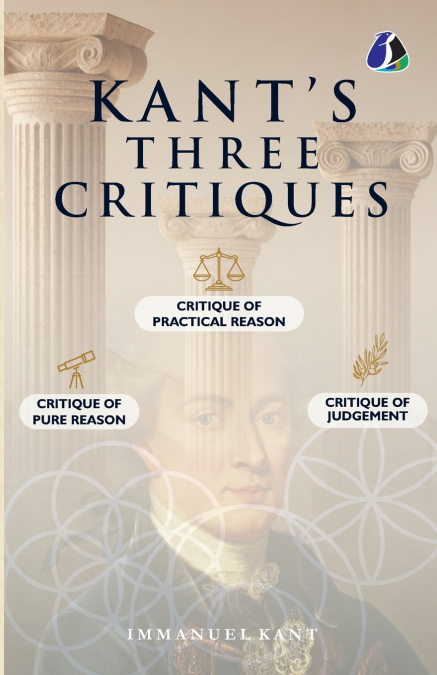
    In 'Kant’s Three Critiques,' Immanuel Kant presents a foundational exploration of Human Knowledge, Ethics, and Aesthetics through his seminal texts: the 'Critique of Pure Reason,' 'Critique of Practical Reason,' and 'Critique of Judgment.'In one volume, all three of Immanuel Kant’s Critiques -- monumental works that marked the beginning of modern Western philosophy:Critique of ...
    Disponible

    51,67 €

  • Complete Works of Immanuel Kant
    Immanuel Kant
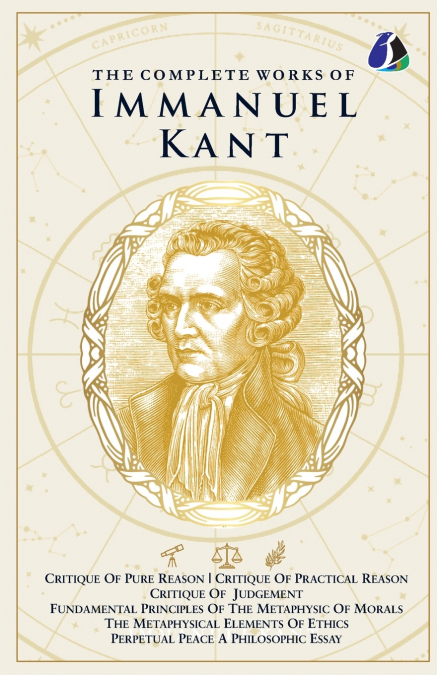
    Immanuel Kant’s corpus revolutionizes Western philosophy by establishing a system of Transcendental Idealism and deontological ethics. He argues that while sensory experience provides raw data, the human mind actively structures this input using innate, a priori concepts, thereby shaping our perception of reality while limiting our knowledge strictly to the observable world.Inc...
    Disponible

    57,05 €

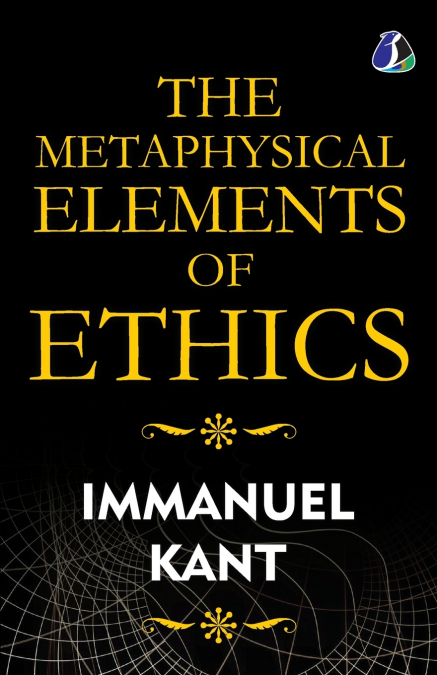
  • The Metaphysical Elements of Ethics
    Immanuel Kant
    The Metaphysical Elements of Ethics is Immanuel Kant’s foundational treatise on moral philosophy. It establishes ethics on pure reason rather than empirical desires, arguing that moral duties are unconditional commands (Categorical Imperatives). Kant introduces a strictly deontological framework, where the moral worth of an action is determined by intention and duty, not by its...
    Disponible

    9,10 €