

 Librería Samer Atenea
 Kálamo Books
 Librería Elías (Asturias)
 Librería Kolima (Madrid)
 Librería Proteo (Málaga)
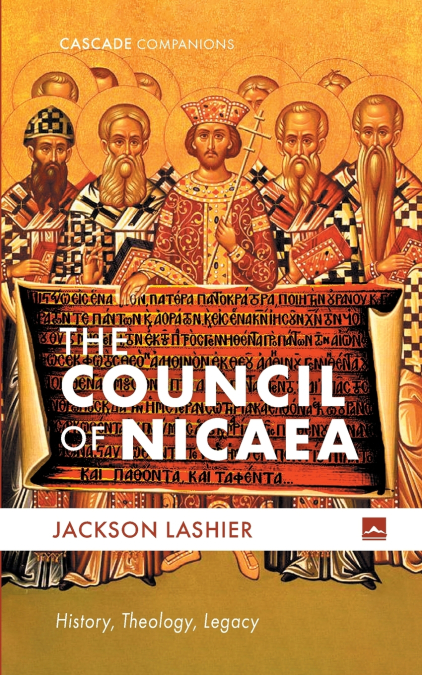
All Christian traditions celebrate the Council of Nicaea as a crucial moment in church history and consider the Nicene Creed as authoritative for their reading of Scripture and understanding of God as Trinity. Yet, few Christians know anything about the council, which results in a lack of understanding both of Christianity’s central belief, the Trinity, and how it relates to Scripture. Building on revisionist scholarship from the last three decades, this book explores the history before, in, and after the Council of Nicaea, which was called to address a crisis that threatened to divide the church in her infancy. However, the Council of Nicaea did not solve anything, as evidenced by the chaotic history of its aftermath. Through theological analysis of the writings of key players in the drama, this book shows that Nicaea’s true significance lies in inaugurating a conversation between two long-standing, though incompatible, traditions of scriptural interpretation regarding the relationship between God the Father, Jesus Christ the Son, and the Holy Spirit. Over the course of the fourth century, this conversation, marked by argument and compromise, produced a deeper understanding of the Scriptures resulting in the doctrine of the Trinity as understood today. 6





