Librería Samer Atenea
 Kálamo Books
 Librería Elías (Asturias)
 Librería Kolima (Madrid)
 Librería Proteo (Málaga)
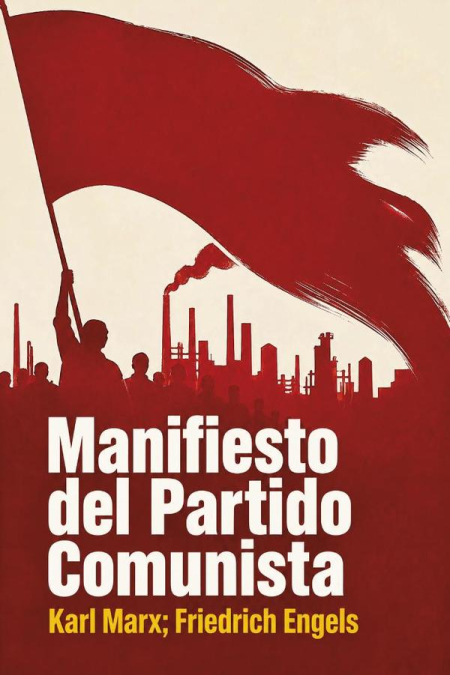
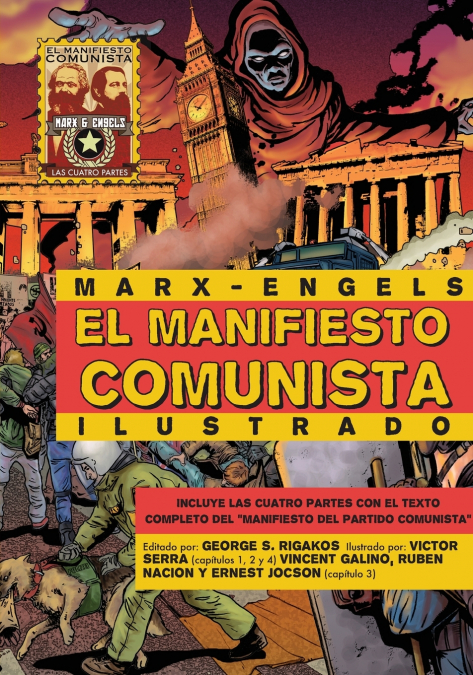
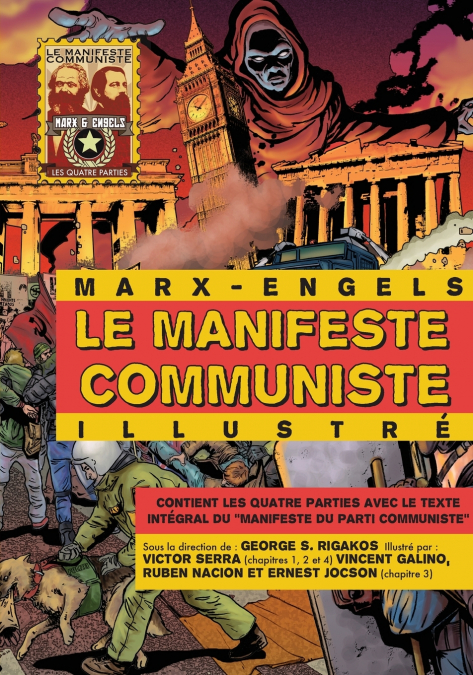
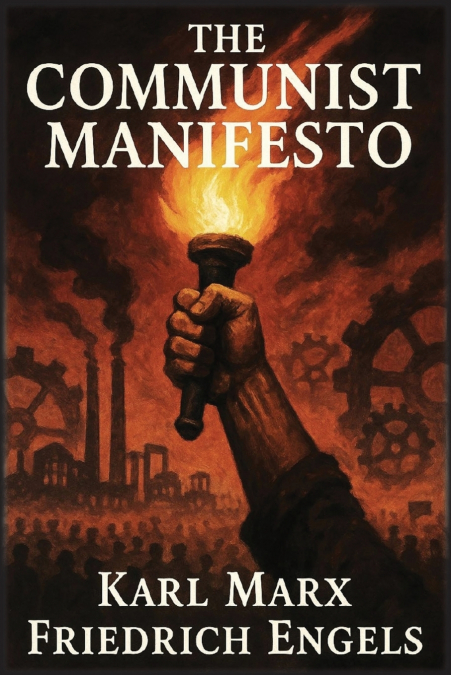
Who holds power in an economy—and what would it take to change it? This brief, forceful declaration made class struggle central to modern political debate.First published in 1848, The Communist Manifesto presents Karl Marx and Friedrich Engels’ account of history as a conflict between social classes. At its center is the struggle between the bourgeoisie, who own the means of production, and the proletariat, who sell their labor. The authors describe capitalism as a system of extraordinary productive power that also generates exploitation, instability, and opposition.Moving from historical argument to political demands, Marx and Engels call for workers to organize across national boundaries and challenge capitalist ownership. They also distinguish their position from competing socialist movements and answer objections to communism. Both a polemic and a statement of political theory, the work endures as a primary source for understanding movements that have shaped modern history—and arguments about wealth, work, and power that remain unsettled.What readers find inside:Class struggle — A theory that places conflict between social classes at the heart of historical change.Capitalism’s contradictions — An argument linking industrial expansion and global markets with recurring crises and inequality.Labor and ownership — A challenge to bourgeois private property and the economic relationships it sustains.Revolutionary politics — A call for working-class organization and the transformation of existing social relations.Rival socialist ideas — A critical discussion of other socialist currents and their differences from the authors’ program.For readers of political philosophy, students of modern history, and anyone seeking the roots of Marxist thought, this work offers direct access to an argument that continues to provoke both commitment and criticism. It rewards examination whether approached with sympathy, skepticism, or curiosity.Begin this landmark political text and consider its challenge to the relationship between labor, property, and power.Large print edition: 16-point type for comfortable reading. 10