 Librería Samer Atenea
 Kálamo Books
 Librería Elías (Asturias)
 Librería Kolima (Madrid)
 Librería Proteo (Málaga)
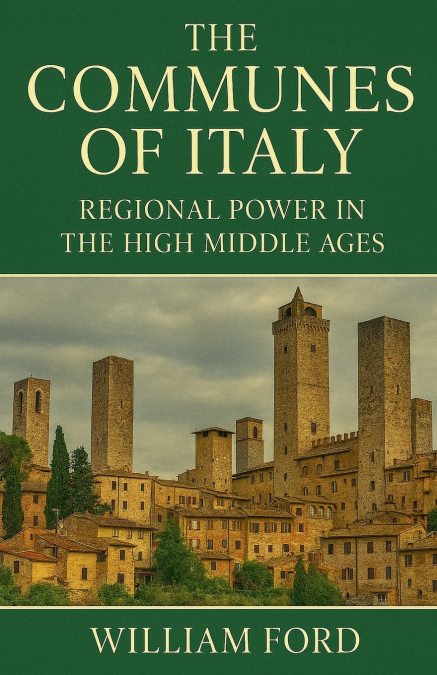
In the dramatic landscape of medieval Europe, a remarkable political experiment unfolded across the cities of northern and central Italy. As the authority of emperors and popes wavered, urban communities seized an unprecedented opportunity to govern themselves, creating the vibrant, ambitious, and fiercely independent city-republics we now call the Italian communes.This book unveils the extraordinary story of these medieval urban republics, where citizens elected their own leaders, crafted sophisticated legal codes, built magnificent cathedrals and civic palaces, developed revolutionary banking systems, and created artistic and literary traditions that would inspire the Renaissance. From powerful Milan to wealthy Florence, from maritime Venice to ambitious Siena, these self-governing cities developed political, economic, and cultural innovations that transformed Europe and established patterns of civic life still visible in Italian cities today.The story ranges across vivid settings: crowded urban neighborhoods where tower-dwelling nobles jostled with prosperous merchants; busy marketplaces where goods from across the Mediterranean were traded; council chambers where competing factions debated policy; and cathedral squares where civic identity was celebrated in elaborate ceremonies. Readers will encounter unforgettable characters-ambitious podestàs maintaining order, guild masters regulating production, bankers financing kings, artists glorifying civic values, and ordinary citizens navigating the opportunities and challenges of this dynamic urban world.The Communes of Italy offers both a compelling narrative of a fascinating historical period and fresh insight into the origins of modern political ideas and urban cultures. It invites readers to discover a world where citizens dared to imagine new forms of governance, created unprecedented prosperity through their own initiative, and established enduring cultural achievements that continue to captivate us today.