 Librería Samer Atenea
 Kálamo Books
 Librería Elías (Asturias)
 Librería Kolima (Madrid)
 Librería Proteo (Málaga)
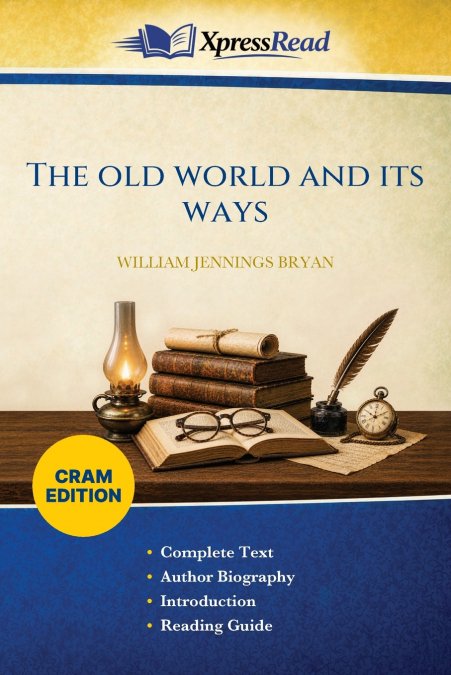
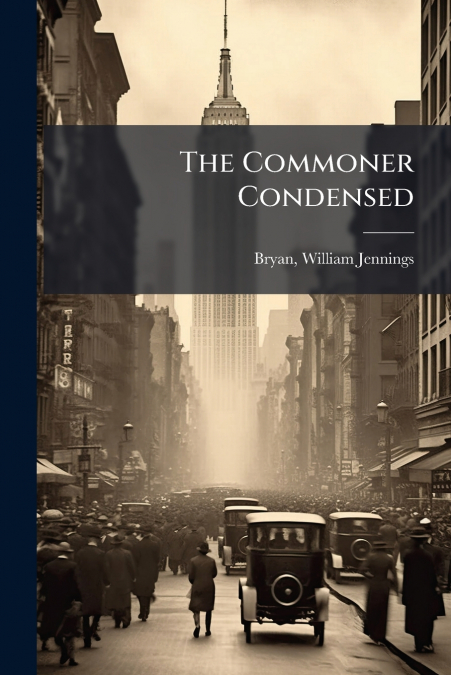
'The Commoner Condensed, 7' offers a glimpse into the political thought and rhetoric of William Jennings Bryan, a prominent figure in late 19th and early 20th century American politics. This collection likely comprises excerpts from Bryan’s influential newspaper, 'The Commoner,' and his speeches, reflecting his advocacy for populism and progressive reforms. Bryan, a skilled orator and three-time presidential candidate, championed the cause of the common person against the perceived excesses of corporate power and championed policies aimed at benefiting farmers and laborers. This volume provides insight into the key issues of the Progressive Era, including monetary policy, antitrust regulation, and social justice. Readers interested in American political history, the Populist movement, and the art of persuasive political communication will find this work valuable.This work has been selected by scholars as being culturally important, and is part of the knowledge base of civilization as we know it. This work was reproduced from the original artifact, and remains as true to the original work as possible. Therefore, you will see the original copyright references, library stamps (as most of these works have been housed in our most important libraries around the world), and other notations in the work.This work is in the public domain in the United States of America, and possibly other nations. Within the United States, you may freely copy and distribute this work, as no entity (individual or corporate) has a copyright on the body of the work.As a reproduction of a historical artifact, this work may contain missing or blurred pages, poor pictures, errant marks, etc. Scholars believe, and we concur, that this work is important enough to be preserved, reproduced, and made generally available to the public. We appreciate your support of the preservation process, and thank you for being an important part of keeping this knowledge alive and relevant.