 Librería Samer Atenea
 Kálamo Books
 Librería Elías (Asturias)
 Librería Kolima (Madrid)
 Librería Proteo (Málaga)
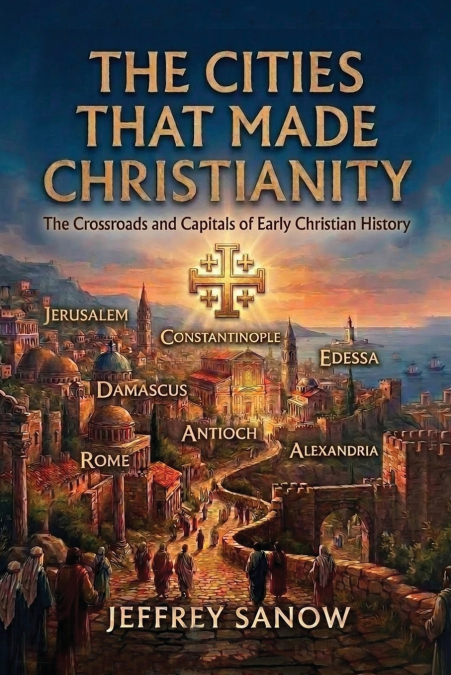
The Cities That Made Christianity takes readers on an unforgettable journey through the great urban centers where the Christian faith was preached, defended, debated, and transformed. From Jerusalem, Damascus, Antioch, Edessa, Alexandria, Constantinople, and Rome to the often-overlooked churches of the East, this compelling historical exploration reveals how these remarkable cities became the crossroads of a movement that forever changed the world.Blending history, theology, archaeology, politics, culture, and travel, Jeffrey Sanow brings the ancient world vividly to life. Readers will discover the places where apostles proclaimed the Gospel, martyrs gave their lives for their faith, bishops defended Christian doctrine, emperors reshaped the Church, and ordinary believers carried the message of Christ across continents. Each city tells a unique story while contributing to the larger narrative of Christianity’s remarkable growth from a small movement in Judea to a global faith.More than a chronological history, The Cities That Made Christianity examines the cultural, political, and spiritual forces that influenced the development of Christian civilization. It highlights the triumphs, struggles, controversies, and enduring legacy of the cities that became pillars of early Christianity and demonstrates how their influence continues to shape the Christian world today.Whether you are a student of biblical history, a pastor, a history enthusiast, a traveler to the Holy Land and the ancient Near East, or simply someone seeking a deeper understanding of the roots of the Christian faith, this richly researched and engaging volume offers fresh insight into the people, places, and events that helped define two thousand years of Christian history. Through vivid storytelling and careful historical analysis, Jeffrey Sanow invites readers to walk the streets where history was made and discover why these cities remain essential to understanding Christianity’s past, present, and enduring future. 6