

 Librería Samer Atenea
 Kálamo Books
 Librería Elías (Asturias)
 Librería Kolima (Madrid)
 Librería Proteo (Málaga)
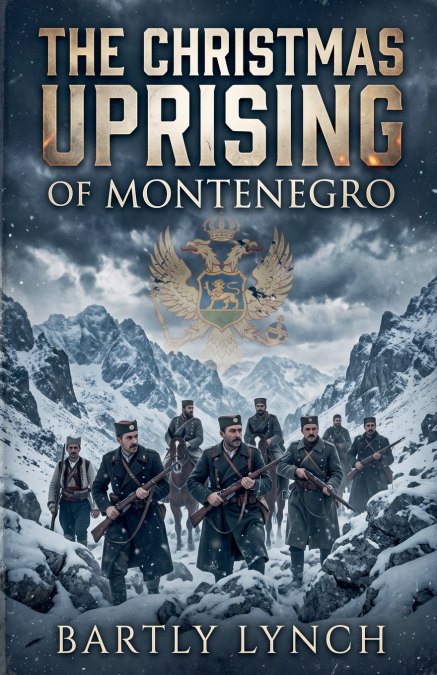
On Orthodox Christmas Eve 1919, several thousand Montenegrin highlanders came down from the stone heights around Cetinje to retake their old royal capital. Weeks earlier, an assembly meeting under the protection of the Serbian army in Podgorica had deposed King Nikola I, ended two centuries of Petrović-Njegoš rule and folded one of the oldest states in the Balkans into the new Kingdom of Serbs, Croats and Slovenes. The men who rose against that decision, called the Greens after the colour of their ballot papers, were fighting for an Allied nation that the victors of the First World War had promised to restore.The Christmas Uprising, which culminated in early January 1919 (late December 1918 by the Julian calendar), represents a pivotal turning point in the modern political and social history of Montenegro. This armed conflict erupted in the immediate aftermath of the First World War as a direct response to the decisions of the Podgorica Assembly anexation of the Kingdom of Montenegro by the SerbsThey were beaten within days by machine guns, fresh reinforcements and a French general’s warning. What followed lasted a century: a decade of guerrilla war in the mountains, burned villages and murdered prisoners, an army in exile traded away at Rapallo, leaders who reconciled, collaborated or died violently, and a memory suppressed for generations before an independent Montenegro reclaimed it.Drawing on Montenegrin, Serbian and British sources, this gripping narrative history follows the clans, captains and statesmen of a forgotten civil war, and asks a question still argued in Montenegro today: to whom do the dead of Christmas Eve belong?





