 Librería Samer Atenea
 Kálamo Books
 Librería Elías (Asturias)
 Librería Kolima (Madrid)
 Librería Proteo (Málaga)
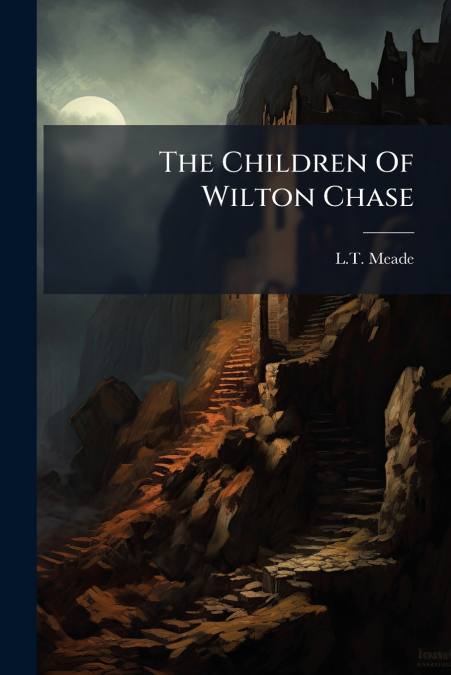
'The Children of Wilton Chase' is a compelling Victorian mystery by L.T. Meade. The story unfolds around a group of orphaned children brought to Wilton Chase, a grand yet enigmatic estate. As they settle into their new surroundings, they soon discover that Wilton Chase holds many secrets, shrouded in an atmosphere of gothic suspense and unexplained events. Each child brings a unique perspective to unraveling the mysteries hidden within the estate’s walls, encountering suspicious characters and cryptic clues along the way. As they delve deeper, they uncover a web of family secrets and long-held grudges that threaten their newfound home and safety. Meade expertly crafts a tale of suspense, blending elements of mystery and gothic romance to create a captivating narrative that will keep readers guessing until the very end. The novel explores themes of family, loyalty, and the resilience of children in the face of adversity.This work has been selected by scholars as being culturally important, and is part of the knowledge base of civilization as we know it. This work was reproduced from the original artifact, and remains as true to the original work as possible. Therefore, you will see the original copyright references, library stamps (as most of these works have been housed in our most important libraries around the world), and other notations in the work.This work is in the public domain in the United States of America, and possibly other nations. Within the United States, you may freely copy and distribute this work, as no entity (individual or corporate) has a copyright on the body of the work.As a reproduction of a historical artifact, this work may contain missing or blurred pages, poor pictures, errant marks, etc. Scholars believe, and we concur, that this work is important enough to be preserved, reproduced, and made generally available to the public. We appreciate your support of the preservation process, and thank you for being an important part of keeping this knowledge alive and relevant.