

 Librería Samer Atenea
 Kálamo Books
 Librería Elías (Asturias)
 Librería Kolima (Madrid)
 Librería Proteo (Málaga)
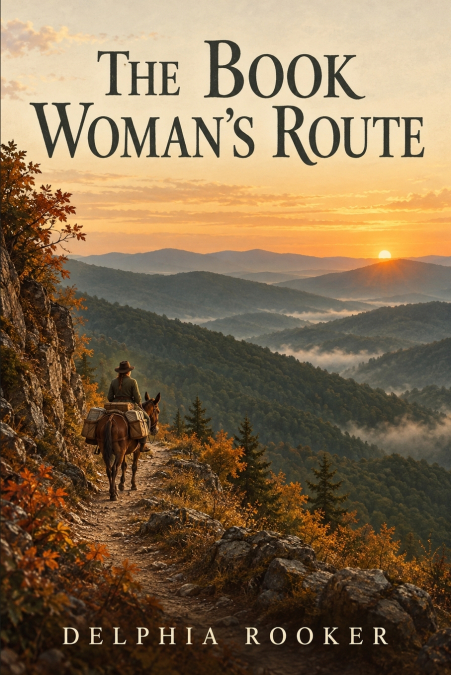
Twenty-eight dollars a month, a borrowed mule, and thirty-one miles of Kentucky mountain to ride twice a week - carrying books to people the world had stopped counting.Eastern Kentucky, 1936. Ivy Ruth Tackett is twenty-two years old, her father is three years dead of the coal dust that killed him slowly, and there is a hole in the roof over the back room. Then the WPA tacks a notice to the post office door: women wanted, able to ride, to carry books on the county routes.The government furnishes the books and the wages. The rider furnishes the animal, the feed, and the hide off her own back.What Ivy finds up those hollers is not a county waiting to be rescued. It is thirty-one households full of people who know an enormous amount and have never in their lives been asked. A woman who cans without a canner and has never lost a jar. A blind man who can read a hillside the way a doctor reads a chart. A boy who will not read aloud and who has quietly learned to see lameness in a mule four days before it shows. A widow with the finest garden in the county, four hundred and ten dollars to her name, and a tax bill she cannot pay.So Ivy starts a second book - a blank one - and asks them to fill it.WHAT’S INSIDE- A warm, deeply researched historical novel of the real WPA Pack Horse Library Project, which put a thousand women on horseback across thirty Kentucky counties from 1935 to 1943- Twelve chapters, each centred on one household on Ivy’s route, building into a single cumulative story of a community that writes itself down- A preacher who objects to novels - and the honest, hard-won conversation that follows- A quiet, slow-burning romance with a mine electrician keeping a dangerous record in a nickel composition book- A mine-safety storyline drawn from the real history of coal dust, rock dusting, and what the law could and could not do in 1938- Appalachian characters written with dignity and dry humour - no caricature, no condescension- A full Historical Note separating documented fact from invention, plus reading group questions





