Librería Samer Atenea
 Kálamo Books
 Librería Elías (Asturias)
 Librería Kolima (Madrid)
 Librería Proteo (Málaga)
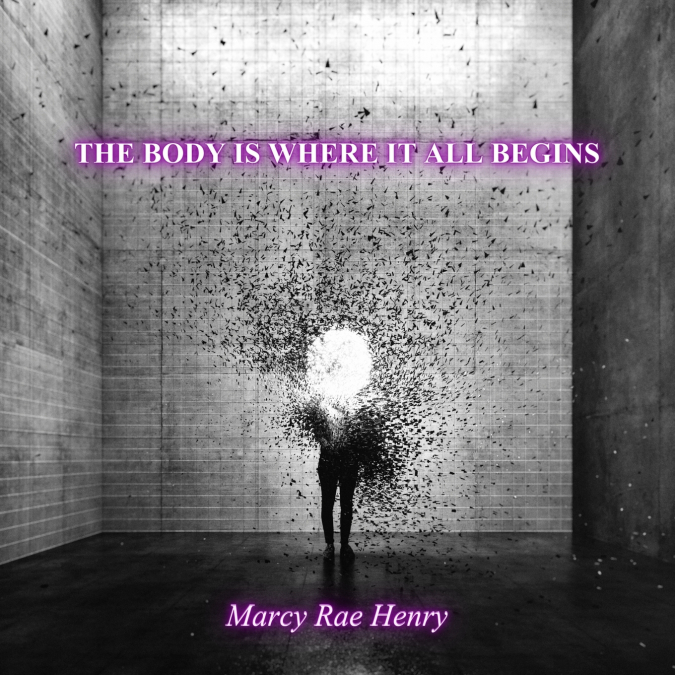
Marcy Rae Henry sings so much more than the body electric; she sings a cuerpo bilingue, a body gone awry amid perimenopause, a body nevertheless moonbright and halfnaked among the sagebrush. Henry peppers the poems of this scintillating chapbook with evocative housings and tangible accoutrements: a golden scarab in Egypt, the telltale signs of downsized childhood ('dry foods, frozen fruit, / packets of vegetable soup'), the 'pastel art and fake plants' of a mammogram waiting room. Henry’s lyrics bridge English and Spanish like the open-ended promise of a multilingual lifespan, which is to say they are pointed and timely and yield surprising portmanteaus: 'vaccine which is vacuna / in Spanish and sounds like a cow in a cradle.' Her speakers confuse want for want ('quiero querer means i want to want / but could also mean i want to love') and wound (as in 'tightly') for wound (as in 'painful'). They traverse the planet in search of-and escaping from-lovers like time-traveling globetrotters, arriving finally in a tightly composed ekphrasis in response to Dieter Roth’s Karnickelköttelkarnickel, a poem that centers around the reappearance of an ex and the summer solstice in Iceland, where the 'midnight sun stayed in the sky the way a flag stays on the moon.' Whether luminously celestial or seared into the heart’s memory, Marcy Rae Henry reminds us that 'the body is where it all begins.'-Diego Báez, author of Yaguareté White: PoemsPrepare yourself, reader. These are not poems that sit still on the page. No, these poems are dancers-leaping, twisting, roaming, and firmly rooted in the body. Henry’s quick-witted and effusive voice jeté’s expertly between English and Spanish; surprising imagery and unexpected allusion; personal narrative and philosophical insight. Whether considering mental health, travel, rabbits, sex, mammographs, relationships, or evolution-this is a poet deeply alive in the absurdity, eroticism, and beauty of the world.-Teresa Dzieglewicz, author of Something Small of How to See a River