 Librería Samer Atenea
 Kálamo Books
 Librería Elías (Asturias)
 Librería Kolima (Madrid)
 Librería Proteo (Málaga)
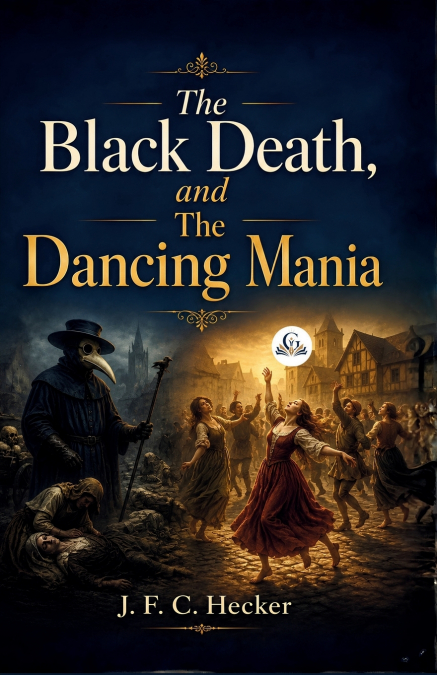
In fourteenth-century Europe, the Black Death transformed health, society and the human imagination. J. F. C. Hecker’s influential historical study examines the epidemic’s symptoms, suspected causes, transmission, geographical spread, mortality, moral effects, religious responses and medical treatment. Combining historical testimony with nineteenth-century medical analysis, it offers a vivid account of one of history’s most devastating epidemics and its far-reaching consequences.The second treatise turns to dancing mania: the mysterious St John’s Dance and St Vitus’s Dance reported in Germany and the Netherlands, tarantism in Italy, related phenomena in Abyssinia and earlier historical precedents. Hecker considers physicians’ explanations, the influence of superstition and collective psychological behaviour, and the eventual decline of these extraordinary outbreaks. For readers interested in medieval medicine, bubonic plague in Europe, the history of epidemics and European social history, this volume is both a valuable historical document and a stimulating study of how communities understood disease. This Alpha Editions republication preserves an important nineteenth-century contribution to the history of medicine and mass psychology.