 Librería Samer Atenea
 Kálamo Books
 Librería Elías (Asturias)
 Librería Kolima (Madrid)
 Librería Proteo (Málaga)
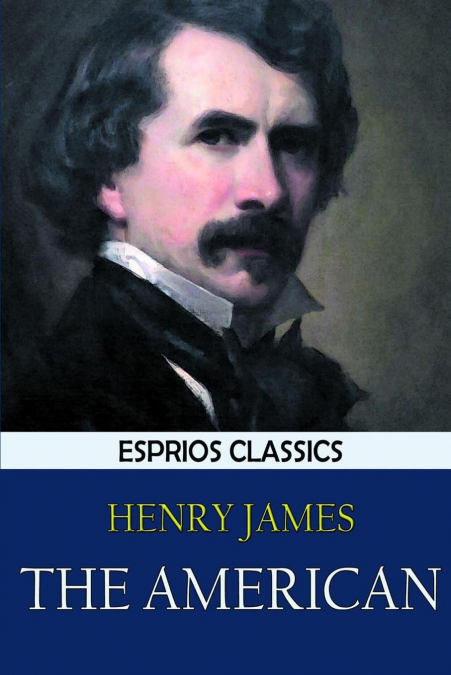
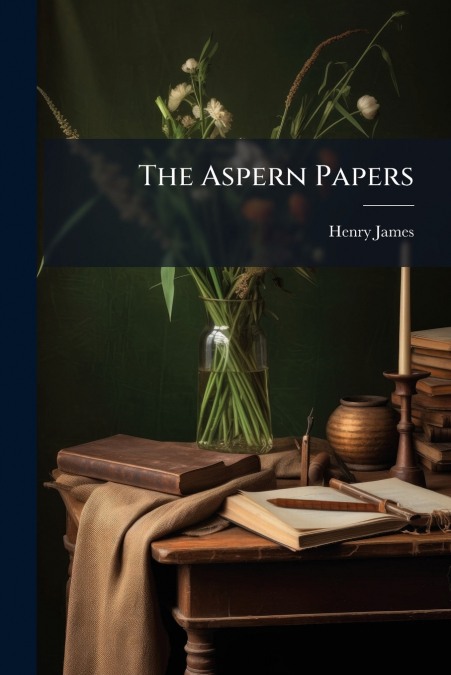
The Aspern Papers is a novella by Henry James, first published in 1888. Set in Venice, the story revolves around an unnamed narrator’s obsessive quest to obtain letters written by the deceased American poet Jeffrey Aspern to his former lover, Juliana Bordereau, who now lives in seclusion with her niece, Miss Tina. The narrator, a literary scholar, rents rooms in their palazzo with the secret intention of gaining access to these valuable documents. As he schemes to befriend the aging Juliana and the timid Miss Tina, the narrator becomes entangled in a web of secrets and moral dilemmas. His relentless pursuit tests the boundaries of privacy and raises questions about the ethics of literary obsession and the value of artistic legacy. Through James’s masterful prose, 'The Aspern Papers' explores themes of ambition, deception, and the complexities of human relationships. Included in this volume are James’ short stories 'Louisa Pallant' and 'The Modern Warning'.This work has been selected by scholars as being culturally important, and is part of the knowledge base of civilization as we know it. This work was reproduced from the original artifact, and remains as true to the original work as possible. Therefore, you will see the original copyright references, library stamps (as most of these works have been housed in our most important libraries around the world), and other notations in the work.This work is in the public domain in the United States of America, and possibly other nations. Within the United States, you may freely copy and distribute this work, as no entity (individual or corporate) has a copyright on the body of the work.As a reproduction of a historical artifact, this work may contain missing or blurred pages, poor pictures, errant marks, etc. Scholars believe, and we concur, that this work is important enough to be preserved, reproduced, and made generally available to the public. We appreciate your support of the preservation process, and thank you for being an important part of keeping this knowledge alive and relevant.