

 Librería Samer Atenea
 Kálamo Books
 Librería Elías (Asturias)
 Librería Kolima (Madrid)
 Librería Proteo (Málaga)
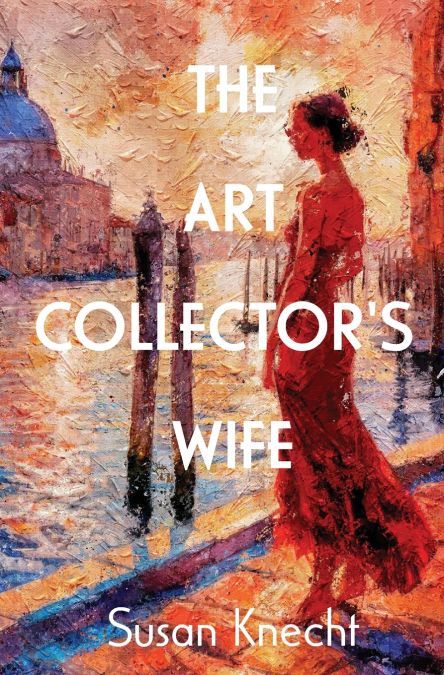
In 1962 Venice, Italy, seventeen-year-old Isabel is shoplifting and skipping class until she discovers a fantastical secret about her Holocaust survivor grandmother Lila: she has stashed away a collection of Renaissance Art. To be fair, it’s not a complete surprise: Lila is secretive about the war and that dreadful time before when the whole living world came to a standstill. More than anything else, Isabel longs to know about her mother and father who perished. THE ART COLLECTOR’S WIFE is a story that travels across the canals of Venice all the way to the catacombs of Paris in search of a family’s truth.Historical Depth: The story is set in 1962 Venice and Paris, involving elements from the Holocaust and Renaissance periods, offering a rich historical context that can attract fans of historical fiction. Mystery and Adventure: The plot revolves around a young girl uncovering a family secret and embarking on a journey that takes her from Venice to Paris. This adds elements of mystery and adventure, appealing to readers who enjoy dynamic and suspenseful narratives. Art and Culture: The inclusion of Renaissance art as a central element of the story provides a cultural richness, appealing to readers interested in art history and European culture. Emotional Journey: The protagonist’s quest to learn more about her deceased parents and her grandmother’s secretive past offers a deep emotional core to the story, resonating with readers who appreciate emotionally driven narratives. Unique Settings: The vivid settings of Venice’s canals and Paris’s catacombs provide a visually striking backdrop that can captivate readers, adding a strong sense of place and atmosphere. Intergenerational Relationships: The relationship between the young girl and her Holocaust survivor grandmother explores themes of family, memory, and the impact of history on personal lives, appealing to readers who are interested in complex family dynamics and intergenerational stories. Search for Identity: The protagonist’s journey is also a quest for personal identity, as she seeks to understand more about her family’s past and her own place in the world, a universal theme that resonates with many readers. Educational Value: The story provides educational insights into significant historical events like the Holocaust and the Renaissance, making it suitable for educational contexts as well as personal reading. Psychological Depth: The exploration of how past traumas, like those experienced during the Holocaust, affect individuals and families over generations can provide psychological depth to the story, appealing to readers who appreciate thoughtful and introspective content.Literary Merit: If the story is well-written, it could be praised for its literary quality, including its narrative structure, character development, and thematic exploration, attracting readers who seek highquality literature.





