 Librería Samer Atenea
 Kálamo Books
 Librería Elías (Asturias)
 Librería Kolima (Madrid)
 Librería Proteo (Málaga)
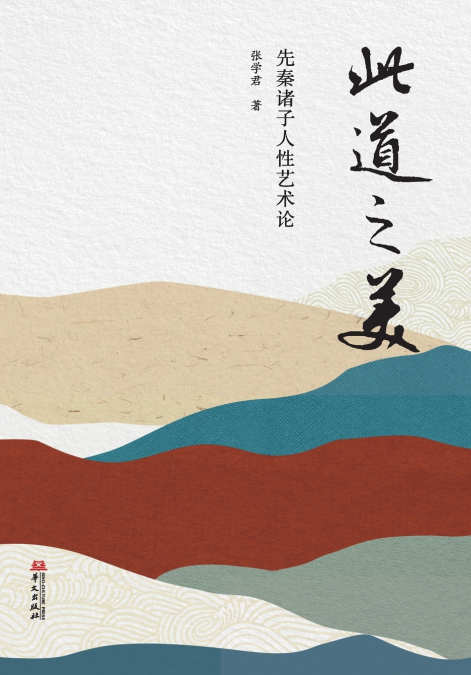
The Beauty of the Way: Pre-Qin Theories of Human Nature and Art is an academic study that delves into the relationship between human nature and art in pre-Qin philosophy. Arguing that art is an expression of human nature and that its beauty stems from the depths of human nature itself, the book contends that pre-Qin thought laid the essential groundwork for traditional Chinese aesthetics.In eight chapters, the book examines the ideas of Confucius, Mozi, Mencius, Xunzi, Han Feizi, Laozi, and Zhuangzi. Confucius is presented as centering art on ren (benevolence) and envisioning an artistic life inspired by poetry, established by rites, and perfected by music. Mencius’s doctrine of innate goodness grounds art in morality, while Xunzi’s emphasis on ritual cultivation balances emotion and form. Mozi’s universal love, Han Feizi’s legalist aesthetics, Laozi’s naturalism, and Zhuangzi’s transcendental freedom are all explored to show the diversity of pre-Qin thought on humanity and art.The author also discusses the 'Record of Music' (Yueji) from the Book of Rites as a masterful synthesis of these ideas and a vital key to Chinese aesthetics. Ultimately, this work reinterprets pre-Qin philosophy from the perspective of human nature, offering fresh insights for understanding traditional Chinese aesthetics and providing valuable resources for modern thinking on the relationship between humanity and art.《此道之美:先秦诸子人性艺术论》是一部探讨先秦诸子人性论与艺术论的学术著作,作者通过深入分析诸子思想,揭示了人性与艺术之间的内在联系。书中从人性论这一核心问题入手,认为艺术是人性的外在表现,艺术之美源于人性之根,而先秦诸子的思想则为理解中国传统美学奠定了基础。 绪论部分指出,先秦时期是中国文化的重要源头,诸子思想对后世影响深远。作者强调,尽管诸子的思想重心并非艺术,但其美学观念往往与其对人性的思考紧密相连,研究诸子美学需要从其整体哲学体系出发,而非局限于零散的片段。 全书共八章,分别探讨了孔子、墨子、孟子、荀子、韩非子、老子、庄子及其后学的思想。作者认为,孔子的人性艺术论以'仁'为核心,强调'兴于诗,立于礼,成于乐'的艺术人生;孟子的性善论则为艺术提供了道德基础,主张'充实之谓美';荀子的性恶论则强调礼义对人性的约束与引导,主张通过礼乐教化实现'情文俱尽'。此外,作者还分析了墨子的兼爱与节用思想、韩非子的法家美学、老子的'道法自然'以及庄子的逍遥思想,展现了诸子对人性与艺术的不同理解。 前言中,作者指出人性论是哲学的核心问题,艺术的根本在于表现人性,而先秦诸子的思想为后世的艺术理论提供了丰富的思想资源。作者认为,孟子的性善论达到了哲学的高度,而荀子的性恶论则更多是一种对现实行为的描述。通过对诸子思想的分析,作者试图构建一个完整的人性艺术理论体系。 书中还特别提到,《礼记·乐记》是先秦诸子人性论与艺术论结合的典范,是理解中国古代美学的重要关纽。作者认为,艺术不仅是人性的表现,也是对人性的伦理调节与审美表现,而这一观点贯穿于全书的分析之中。 总之,《此道之美:先秦诸子人性艺术论》通过钩沉索隐,从人性论的角度重新解读先秦诸子的思想,试图揭示人性与艺术之间的深层联系,为理解中国传统美学提供了新的视角。作者的研究不仅具有学术价值,也为现代人思考人性与艺术的关系提供了重要的思想资源。