

 Librería Samer Atenea
 Kálamo Books
 Librería Elías (Asturias)
 Librería Kolima (Madrid)
 Librería Proteo (Málaga)
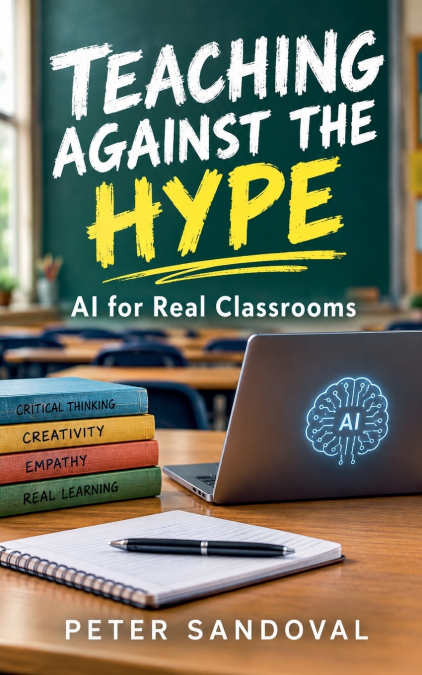
Artificial intelligence has entered the classroom. The bans are failing, the detectors aren’t dependable enough to settle accusations, and teachers are being left to figure out what comes next-often on their own.What if the answer isn’t to catch every student who uses AI, but to rethink what we’re asking students to learn?In Teaching Against the Hype: AI for Real Classrooms, Peter Sandoval cuts through the promises and panic surrounding AI in education. This is a grounded guide for educators who need to understand the technology, make thoughtful decisions about its use, and protect the parts of teaching that matter most.You’ll explore what today’s language models actually do-and why a fluent, confident answer can still be wrong. You’ll see why AI-generated text complicates traditional ideas of plagiarism, why detection scores shouldn’t be treated as automatic proof of misconduct, and how suspicion can damage the relationships that make learning possible.But understanding the problem is only the beginning. The real question is what teachers can do instead.Inside, discover how to:Understand AI without the hype. Learn why chatbots can produce convincing explanations, fabricated citations, and confident mistakes-and why checking their work matters.Rethink cheating and assessment. Shift attention from trying to police every finished assignment toward observing students’ reasoning, drafts, revisions, and understanding.Design more resilient assignments. Use classroom discussions, local context, staged work, and student conferences to make thinking visible.Use AI as a teaching assistant. Explore where it can help with planning, feedback, and routine tasks without handing over professional judgment.Help students use AI thoughtfully. Teach students to question outputs, verify claims, recognize limitations, and explain what they accept, change, or reject.Navigate the ethical questions. Consider bias, privacy, and the responsibilities that come with bringing AI into a learning environment.This isn’t a promise that technology will solve every classroom problem. Nor is it a call to surrender teaching to a machine. It is an invitation to approach AI with clear eyes, practical judgment, and a renewed focus on what students are actually learning.





