Librería Samer Atenea
 Kálamo Books
 Librería Elías (Asturias)
 Librería Kolima (Madrid)
 Librería Proteo (Málaga)
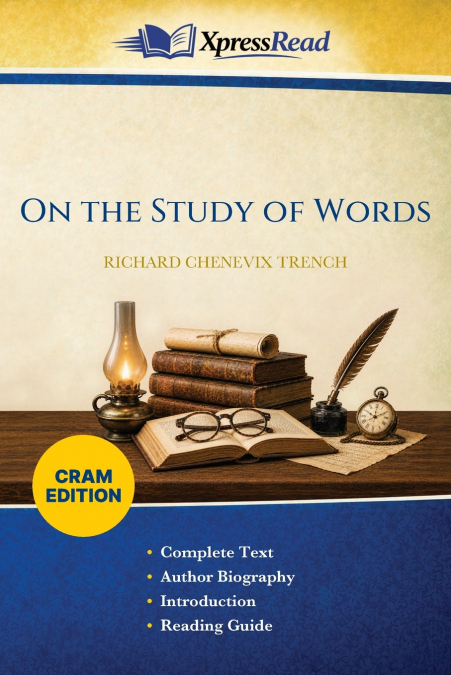
An incisive guide to the language beneath Scripture. Words shape belief and meaning. Richard Chenevix Trench’s Synonyms of the New Testament is a lucid study that belongs both to nineteenth century theology and to the practice of close reading: a model of biblical language analysis that grew out of Victorian religious scholarship. It offers careful etymological bible notes and disciplined new testament word studies, marking the fine distinctions between biblical greek synonyms and showing how a single term can shift the tone of a verse. Presented with an eye for clarity, the work serves as a bible study companion for the curious lay reader while also functioning as a clergy and seminary resource for ministers, translators and students who need precision without obscurity.Out of print for decades and now republished by Alpha Editions. Restored for today’s and future generations. More than a reprint - a collector’s item and a cultural treasure. Placed alongside theological dictionaries and research in historical biblical linguistics, this volume deserves a place in any christian reference collection and rests naturally within the corpus of Richard Trench works. Read alongside contemporary commentaries, Trench’s attention to word-origin and nuance refines sermon preparation and translation choices; his etymological approach opens avenues rather than closing them. The tone is scholarly yet humane, a hallmark of Victorian religious scholarship that still rewards modern readers. Accessible enough for private reading yet robust enough for classroom use, the book connects pastoral concern to technical analysis and remains an illuminating companion to anyone exploring the roots of New Testament language. Classic literature collectors will appreciate the edition’s fidelity to the original voice and the care of its restoration; casual readers will find its clear examples immediately rewarding. Its balance of philology and pastoral insight makes it unusually practical: close readings inform preaching as readily as academic study.