 Librería Samer Atenea
 Kálamo Books
 Librería Elías (Asturias)
 Librería Kolima (Madrid)
 Librería Proteo (Málaga)
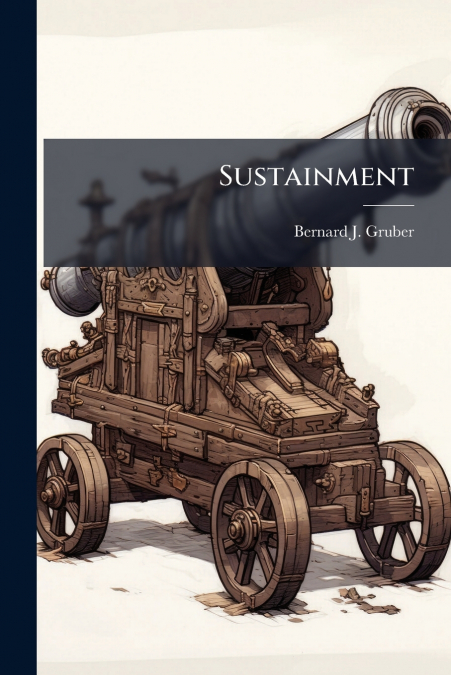
Over the last ten years Air Force mission capable (MC) rates have steadily declined from 83.4 percent to 74.1 percent, a ten-percent decrease. Depot operations, both organic maintenance and supply, are directly attributable to this decline. Consequently, many senior leaders are emphasizing contract and private sector sustainment operations rather than organic and public sector sustainment operations. Accordingly, the emphasis of this paper is to illustrate why the Air Force needs an organic depot capability and how it can be improved. For every dollar the DOD spends on acquiring a weapon system, it will spend at least two more to sustain it over the weapons useful life. Moreover, the DOD has reduced procurement funding by 70 percent over this same period. Couple this funding reduction with a corresponding increase in aircraft usage and life extensions, and sustainment operations will only become more critical. The basic methodology of this research is to compare where the Air Force was ten years ago with the advent of acquisition reform and correspondingly apply those thoughts to improving sustainment operations.This work has been selected by scholars as being culturally important, and is part of the knowledge base of civilization as we know it. This work was reproduced from the original artifact, and remains as true to the original work as possible. Therefore, you will see the original copyright references, library stamps (as most of these works have been housed in our most important libraries around the world), and other notations in the work.This work is in the public domain in the United States of America, and possibly other nations. Within the United States, you may freely copy and distribute this work, as no entity (individual or corporate) has a copyright on the body of the work.As a reproduction of a historical artifact, this work may contain missing or blurred pages, poor pictures, errant marks, etc. Scholars believe, and we concur, that this work is important enough to be preserved, reproduced, and made generally available to the public. We appreciate your support of the preservation process, and thank you for being an important part of keeping this knowledge alive and relevant.